
Difference Between 304 And 316 Stainless Steel
Alright folks, gather 'round! Let's talk about something super exciting… stainless steel! I know, I know, it sounds about as thrilling as watching paint dry, but trust me, understanding the difference between 304 and 316 stainless steel is surprisingly useful. Plus, it's way cooler than knowing which fork to use at a fancy dinner. (Though, let's be honest, both are pretty niche skills).
The Steel Showdown: 304 vs. 316
Think of 304 and 316 as cousins. They’re both from the same family – the stainless steel family, obviously – and they share a lot of the same good looks (shiny, durable, resistant to rust… mostly). But like cousins, they have their own quirks and excel in different areas. Let's break it down:
304 Stainless Steel: The Everyday Hero
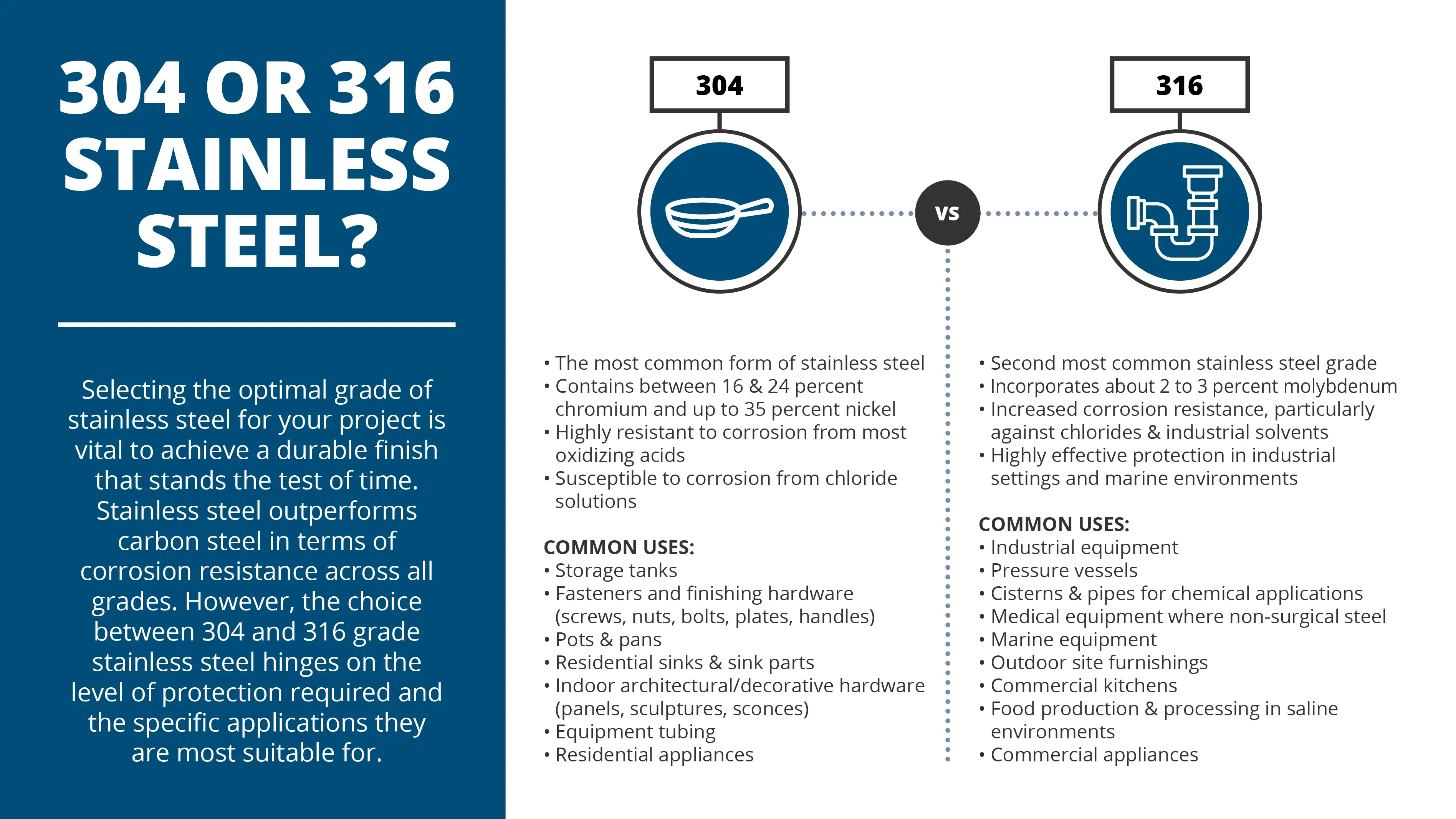
304 stainless steel is your go-to, everyday hero. It's like the reliable, always-there friend who helps you move furniture. You'll find it everywhere. We're talking kitchen sinks, pots and pans, silverware (because, you know, nobody wants rusty forks), appliances, and even architectural trim. It's the workhorse of the stainless steel world.
Must Read
It’s got great corrosion resistance for most normal, everyday situations. Pour spaghetti sauce all over it? No problem! Leave it out in a light drizzle? It can handle it! 304 is tough, durable, and relatively inexpensive. It's the sensible shoe of the stainless steel world.
But, (and there's always a but, isn't there?) 304 isn't invincible. If you expose it to highly corrosive environments for long periods, it can start to show its weaknesses. We’re talking prolonged exposure to chlorides, like saltwater. Imagine leaving your 304 stainless steel utensils on a pirate ship permanently docked in the Caribbean. Not a good idea!

316 Stainless Steel: The Super Hero (with a Cape!)
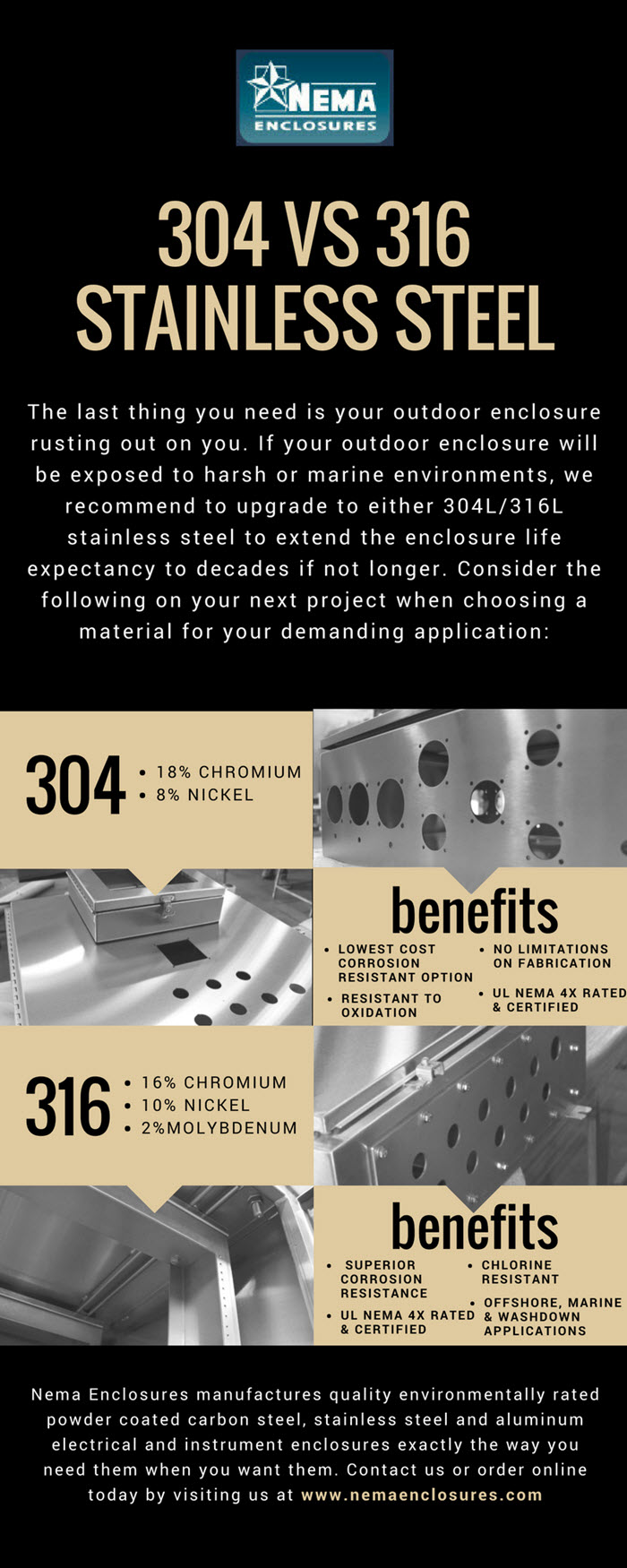
Enter 316 stainless steel, the superhero of the stainless steel world! It’s like 304, but with a secret weapon: molybdenum. This fancy element gives 316 incredible resistance to corrosion, especially from those pesky chlorides. Think of molybdenum as its protective cape!
Where would you use 316? Anywhere that gets a lot of exposure to harsh environments. We’re talking:
- Marine applications: Boat parts, docks, anything that lives in the ocean.
- Chemical processing plants: Handling corrosive chemicals.
- Medical implants: Because you definitely don't want your hip replacement rusting inside you!
- Some fancy outdoor grills near the coast
Basically, if you need something that can stand up to the toughest conditions, 316 is your champion. It's the superhero you call when 304 is waving the white flag.
Now, because it’s a superhero, 316 comes with a superhero price tag. It’s more expensive than 304. But remember, you're paying for that extra protection. Think of it as an investment in longevity and avoiding future headaches (and rust).
So, Which One Should You Choose?
That depends entirely on your needs! Ask yourself:
- Where will it be used? Indoors? Outdoors? Near the ocean? In a science lab?
- What will it be exposed to? Just water and food? Harsh chemicals? Saltwater?
- How long do you need it to last? A few years? A lifetime?
- What's your budget?
If you’re just making pasta and need a good pot, 304 is probably your best bet. But if you're building a boat or need to store highly corrosive liquids, 316 is the way to go. It's like choosing between a regular bicycle and a monster truck – both will get you around, but one is clearly better suited for certain terrains!
Ultimately, the choice between 304 and 316 stainless steel boils down to finding the right tool for the job. They're both fantastic materials, but understanding their strengths and weaknesses will help you make the best decision. So, go forth and conquer the world of stainless steel! You've got this!
And remember, when in doubt, over-engineer. A little extra protection never hurt anyone… except maybe your wallet!
