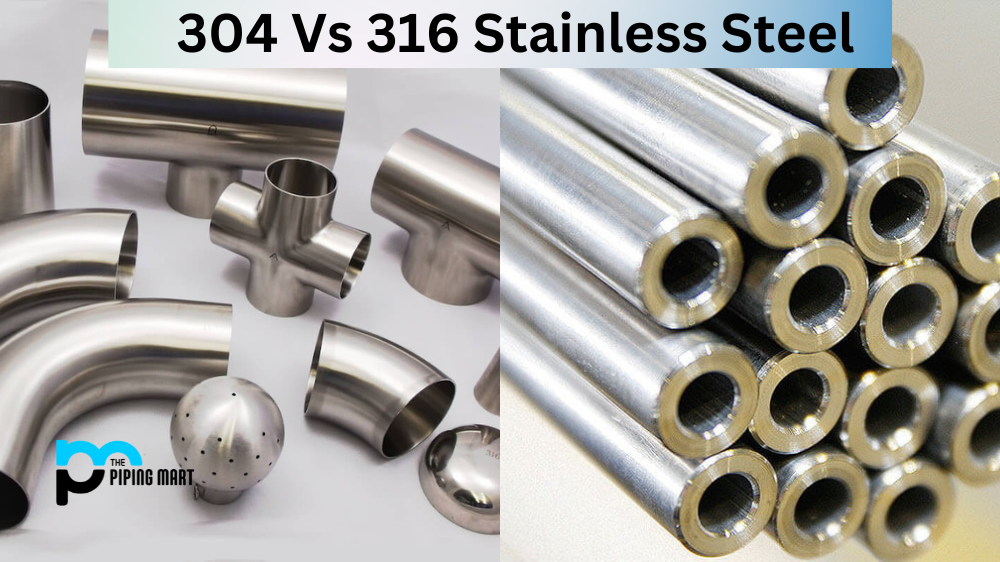
Difference Between 304 & 316 Stainless Steel
Ever wondered why some shiny metal things seem to last forever, resisting rust and corrosion, while others… well, not so much? Chances are, you're witnessing the magic of stainless steel at work! We rely on stainless steel for so many things in our daily lives, from the cutlery we eat with to the massive structures that shape our cities. Its durability and hygienic properties make it an indispensable material, and a big reason why so many kitchen appliances are built with it.
Stainless steel offers a fantastic blend of strength, corrosion resistance, and aesthetic appeal. It's a workhorse in industries ranging from food processing to construction. Think about it: hospitals need sterile environments, restaurants demand easy-to-clean surfaces, and bridges need to withstand the elements. Stainless steel is the answer, providing reliability and longevity where it matters most.
But here's where things get interesting. Not all stainless steel is created equal. Two of the most common types are 304 and 316, and understanding the difference can be crucial for choosing the right material for the job. Both are austenitic stainless steels, meaning they're non-magnetic and known for their high corrosion resistance.
Must Read
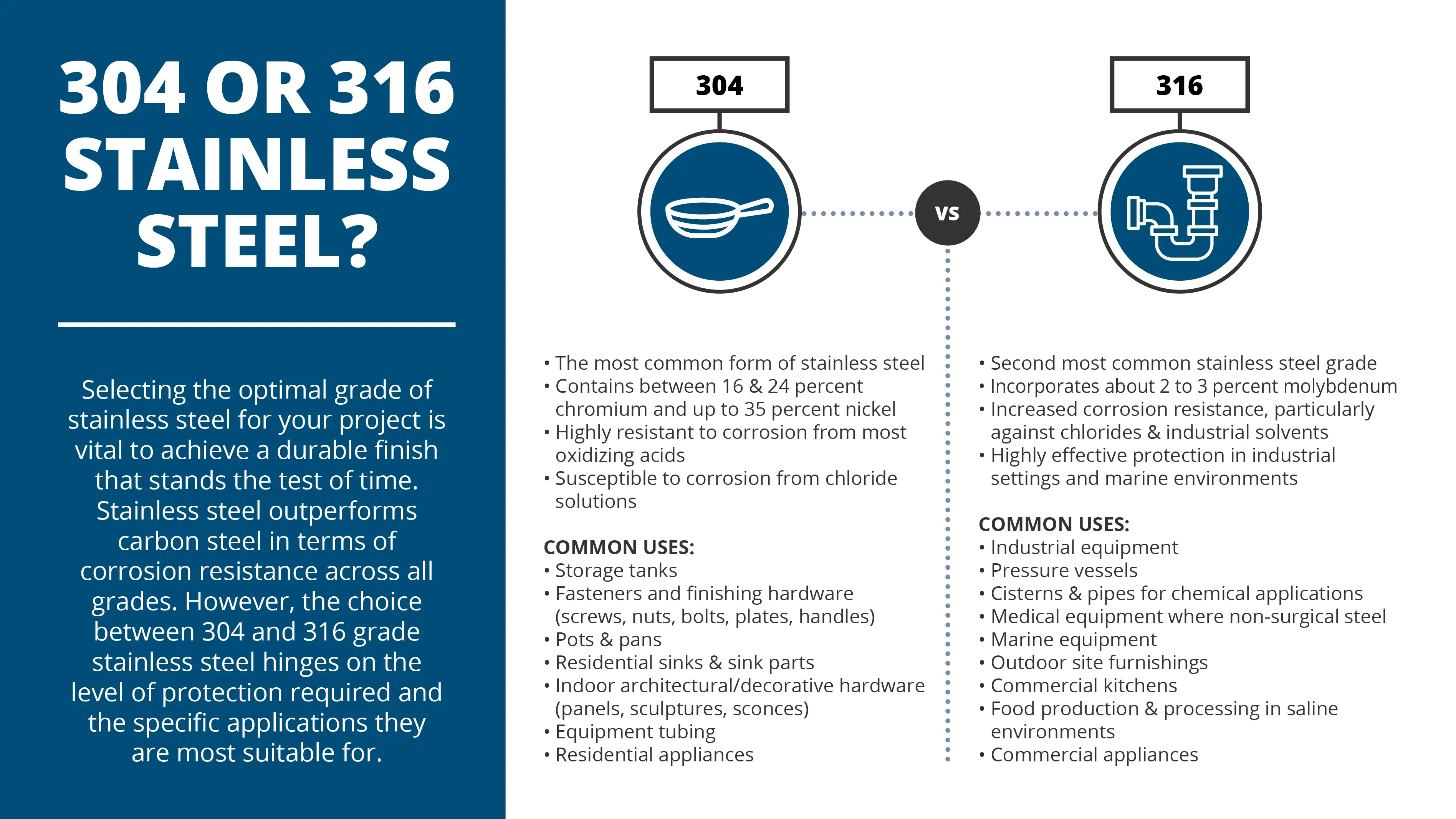
So, what sets them apart? The key lies in their composition. 304 stainless steel is the most widely used grade. It contains approximately 18% chromium and 8% nickel. It’s great for sinks, cookware, indoor architectural features, and equipment used in food processing (especially when dealing with less corrosive substances).

316 stainless steel, on the other hand, takes the corrosion resistance up a notch. It boasts a similar chromium and nickel content to 304, but with the addition of 2-3% molybdenum. This seemingly small addition makes a huge difference in its ability to withstand corrosive environments, especially those involving chlorides like salt. This makes 316 an excellent choice for marine applications (boat fittings, for example), chemical processing, and even medical implants.
Think of it this way: if you're building a railing for your oceanfront property, you'd definitely want to opt for 316 stainless steel. The salt spray from the ocean will quickly corrode 304. However, if you're refitting the interior of your home, then 304 might be the better and more cost-effective option. Similarly, a brewery using acidic cleaning solutions would heavily favor 316 for its tanks and pipes because it can better withstand the chemicals.

Here are a few practical tips to ensure you get the most out of your stainless steel products:
- Know your environment: Consider the level of exposure to corrosive elements (saltwater, chemicals, etc.) before choosing between 304 and 316.
- Clean regularly: Even though stainless steel is resistant to corrosion, regular cleaning will help maintain its appearance and prevent the buildup of contaminants that could eventually cause issues. Use a mild detergent and avoid abrasive cleaners that can scratch the surface.
- Passivation is key: Consider having your stainless steel items passivated. Passivation is a chemical process that strengthens the naturally occurring chromium oxide layer on the surface, providing even greater protection against corrosion.
By understanding the strengths and weaknesses of 304 and 316 stainless steel, you can make informed decisions that ensure your projects stand the test of time and continue to look great for years to come. Choosing the right material from the start is always the best way to maximize longevity and minimize headaches.