
Difference Between 303 And 304 Stainless Steel
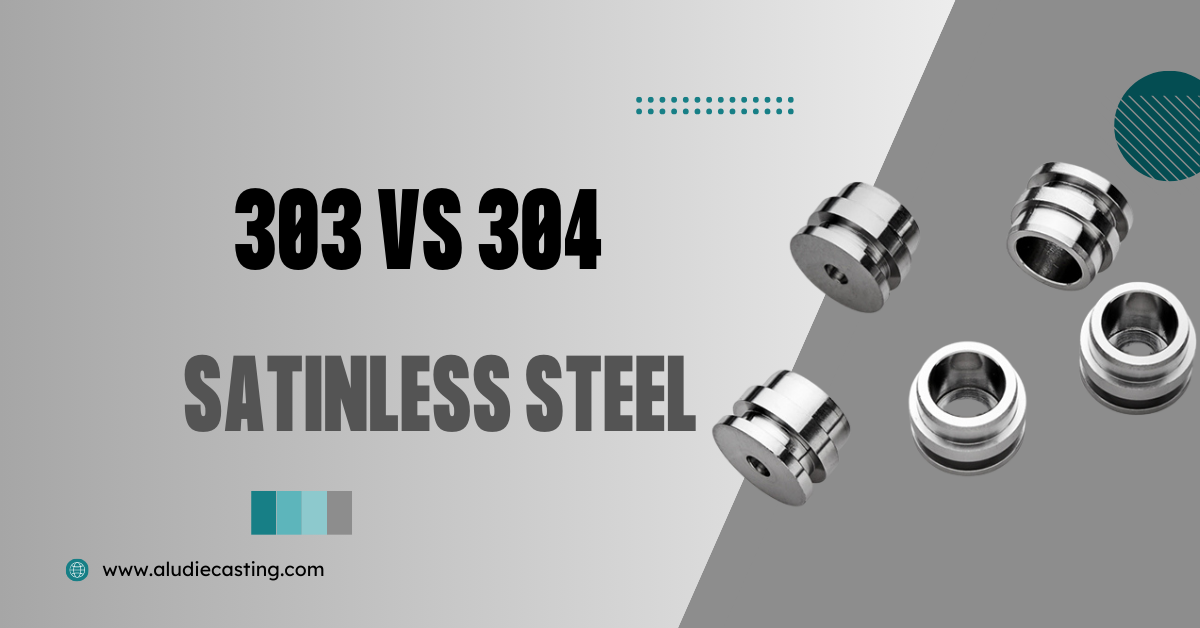
Alright, gather 'round, gather 'round! Let's talk stainless steel. Now, I know what you're thinking: "Stainless steel? Sounds about as thrilling as watching paint dry." But trust me, this is more exciting than figuring out what to binge-watch next. We're diving deep into the thrilling world of 303 and 304 stainless steel – the Clark Kents of the metal universe. Seem similar at first glance, but peel back the layers and you'll find some surprising differences.
Think of it this way: 304 and 303 are like cousins. They share the same family (the austenitic stainless steel family, a real party bunch) but have slightly different personalities. 304 is like that reliable cousin who always brings the potato salad to the family BBQ. Dependable, versatile, gets along with everyone. 303, on the other hand, is the slightly edgier cousin, the one with the motorcycle and a vaguely rebellious streak. Both are great, just in different ways.
The Main Event: Machinability
So, what's the big difference? It all boils down to machinability. That's a fancy way of saying how easy it is to cut, shape, and generally mess around with the steel. 303 stainless steel is the champion of machinability. It's like butter under a hot knife… if butter were, you know, steel. They add sulfur to 303 (don't worry, it doesn't smell like rotten eggs) which creates little inclusions. These act like tiny, microscopic ball bearings, making it easier for cutting tools to slide right through. It also tends to create shorter chips when machined. If you need to mass-produce a bunch of small parts with intricate details, 303 is your new best friend. Think screws, bolts, and all those fiddly little bits that hold the world together.
Must Read
304, however, is… well, it's less cooperative. It's not bad to machine, but it tends to be a bit gummy. Imagine trying to cut through a block of particularly stubborn cheddar cheese. You can do it, but it's going to take more effort and leave a mess. This gumminess can lead to built-up edge (BUE) on cutting tools, which isn't something you want. Think of BUE as the metal equivalent of when you try to shave with a dull razor. Not fun.
Corrosion Resistance: A Tale of Two Steels
Now, before you go thinking 303 is the undisputed king, let's talk about corrosion resistance. Here, 304 pulls ahead. The added sulfur in 303 that makes it so easy to machine also makes it slightly more susceptible to corrosion, especially in chloride-rich environments (like, say, a swimming pool filled with tears of joy… or chlorine). It's not going to dissolve into a pile of rust overnight, but if you're planning on building something that's going to spend its life submerged in seawater, 304 is the better choice.
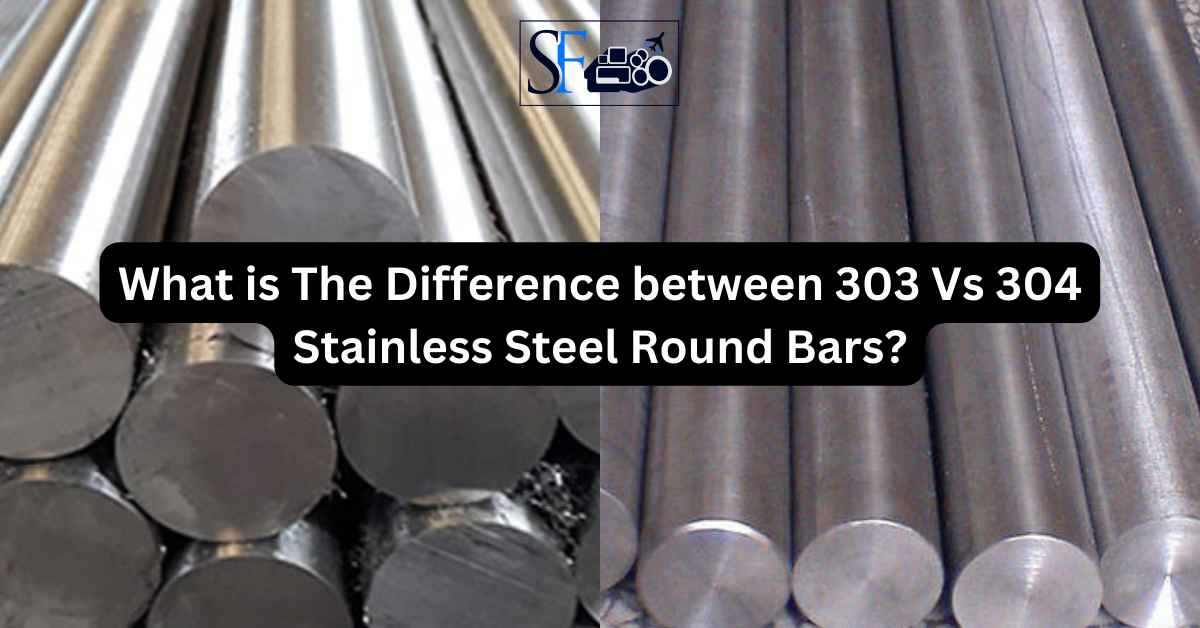
Think of it like this: 304 is like a seasoned lifeguard, always vigilant and ready for the salty spray. 303 is more like a competitive swimmer – fast and efficient in the pool, but not necessarily equipped for a prolonged ocean adventure.
Welding Woes (and Wins)
Welding is another area where 304 shines a bit brighter. 304 is generally easier to weld than 303. The sulfur in 303 can cause some issues during welding, leading to cracks and other undesirable outcomes. It's like trying to glue two pieces of sandpaper together – it's going to be a rough ride.

That's not to say you can't weld 303, but it requires more skill and care. You might need special welding techniques and filler metals to get a good, strong weld. So, unless you're a welding wizard, stick with 304 for your welding projects.
Where You'll Find Them: The Steel's Habitat
So, where do you typically find these steel superheroes in action? 304 is everywhere! Kitchen sinks, cookware, food processing equipment, architectural panels – it's the workhorse of the stainless steel world. 303, on the other hand, is more specialized. You'll find it in those aforementioned screws and bolts, valve components, gears, and other parts that need to be machined quickly and efficiently.
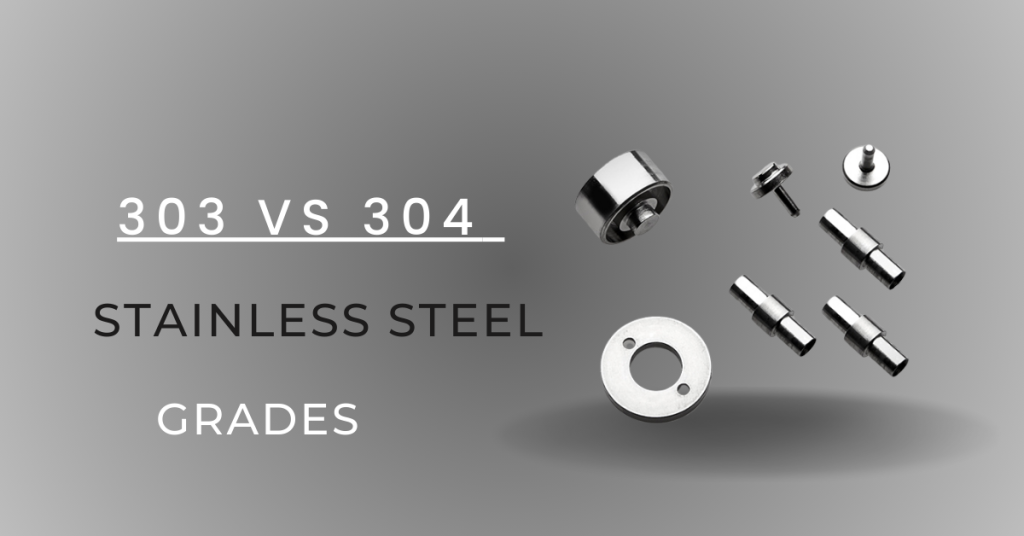
Basically, if it needs to be shiny and resist rust in your kitchen, it's probably 304. If it's a tiny, intricate part that holds something bigger together, there’s a decent chance it’s 303.
The Punchline (Because Every Good Story Needs One)
In a nutshell, 304 and 303 are both great stainless steels, but they excel in different areas. 303 is the machinability maestro, while 304 is the corrosion resistance champion and welding wonder. Choosing the right one depends entirely on the job at hand. So, next time you're faced with the 303 vs. 304 dilemma, remember this little chat. And if all else fails, just flip a coin. Either way, you'll end up with a solid piece of stainless steel. And who wouldn't want that?
Now if you’ll excuse me, all this talk about stainless steel has made me thirsty. I’m off to grab a drink… in a 304 stainless steel mug, of course!
