Difference Between 3 Phase And Single Phase Power

Okay, let's talk electricity! Not like, “zapped-by-a-loose-wire” electricity (ouch!), but the kind that powers our homes and keeps the Netflix binges going strong. Specifically, we're diving into the difference between single-phase and three-phase power. Trust me, it's not as intimidating as it sounds. Think of it like ordering pizza… hear me out!
Single Phase: The Solo Slice
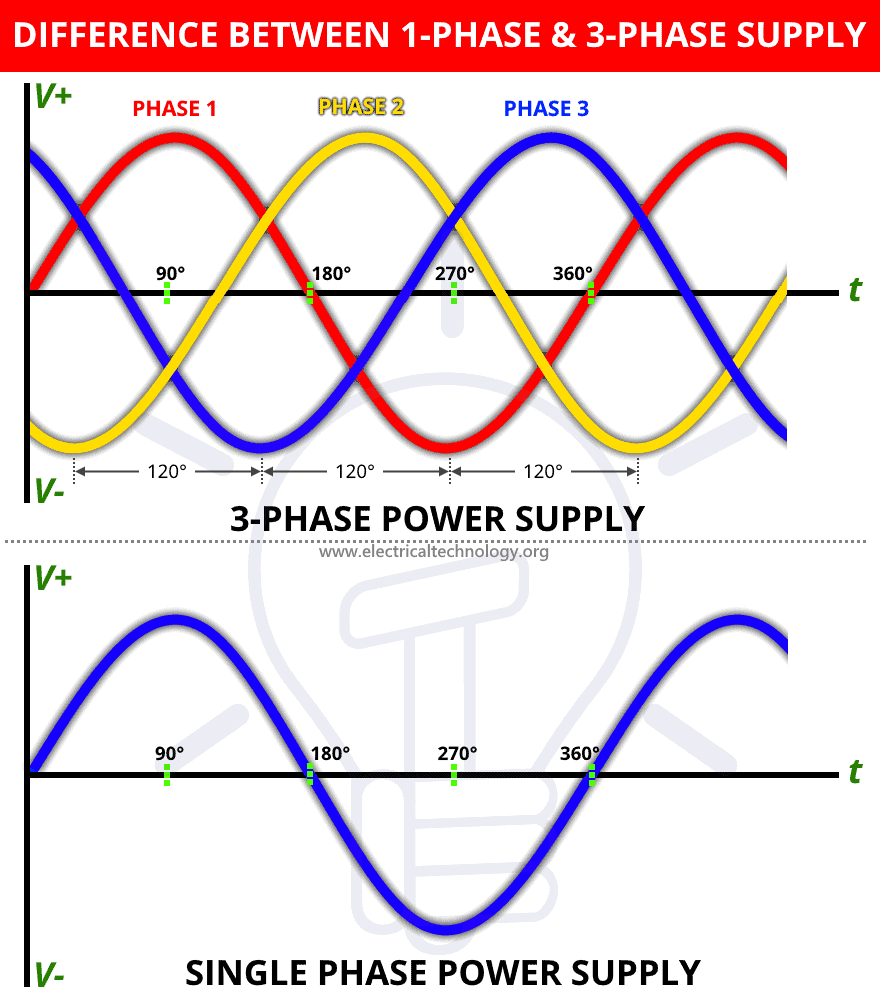
Imagine you're ordering a pizza for yourself. Just one slice, right? Simple, straightforward. That's pretty much what single-phase power is like. It's the standard electricity supply we get in most homes. It's like one lane of traffic feeding your appliances with juice. It’s great for powering lights, TVs, toasters – the everyday stuff. Think of your refrigerator, humming along on its own single-phase journey.
Single-phase is like that dependable friend who always shows up on time, but maybe can't carry all the furniture when you move. It's good for smaller loads, but struggles with heavier demands. Ever noticed your lights dimming a little when the microwave and the hairdryer are both blasting at full power? That's single-phase working hard! It's getting a bit strained, bless its heart.
Must Read
I remember trying to run a super old, super powerful window AC unit in my apartment one summer. Every time it kicked on, the lights would flicker like a disco ball in a power outage. My single-phase service was begging for mercy. It was single-handedly (pun intended!) trying to power what seemed like a jet engine in my living room.
Three Phase: The Whole Pizza Pie (With Friends!)
Now, imagine you’re hosting a party. Suddenly, one slice of pizza isn't going to cut it. You need the whole darn pie! And maybe even several pies! That's where three-phase power comes in. Think of it as three "slices" of power, all working together, delivering a smooth, consistent flow of energy. It’s like having three lanes of traffic, making for a much smoother and more efficient flow.
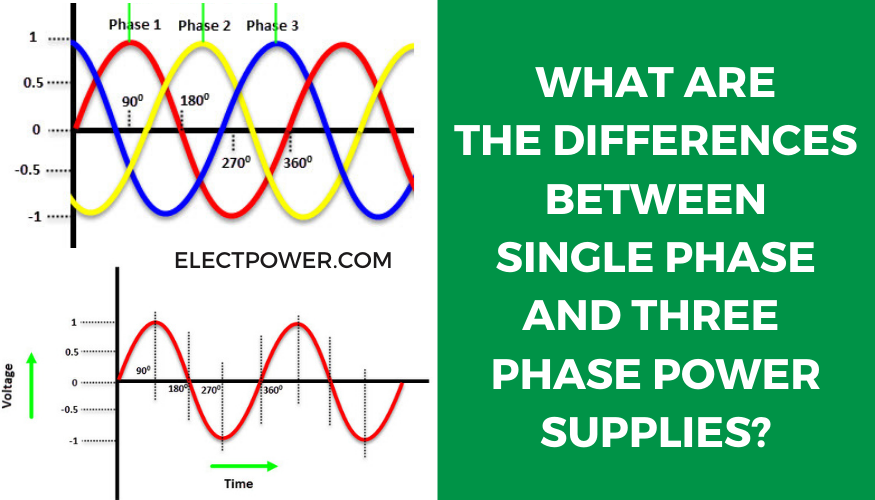
Three-phase is usually found in commercial and industrial settings – think factories, hospitals, and data centers. These places need to power heavy-duty equipment like large motors, industrial ovens, and those massive servers that hold all our cat videos. Single-phase just couldn't handle that kind of workload. It would be like trying to tow a boat with a bicycle.
Think about an elevator. Imagine the motor needed to haul that thing up several stories! That requires some serious muscle, and that muscle usually comes in the form of three-phase power. The more demanding the electrical needs, the more likely it is you will need three phase power.
The Key Differences, Summarized (Pizza-fied!)
So, to recap, here's the pizza analogy in a nutshell:
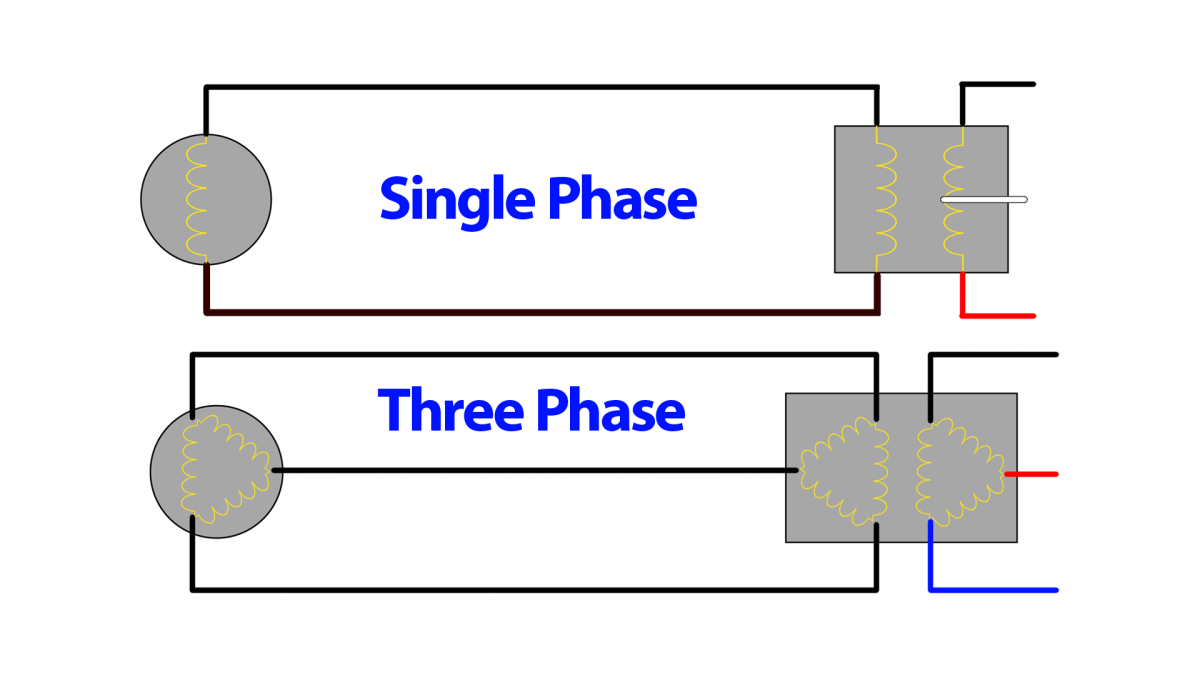
* Single-phase: One slice of pizza. Good for individual consumption (home appliances). * Three-phase: The whole pizza pie (cut into three big slices). Designed for sharing (powering large, demanding equipment).Efficiency: Three-phase is generally more efficient than single-phase. It delivers more power with less voltage, which translates to lower energy costs in the long run. It's like getting more pizza for the same price – who wouldn't want that?
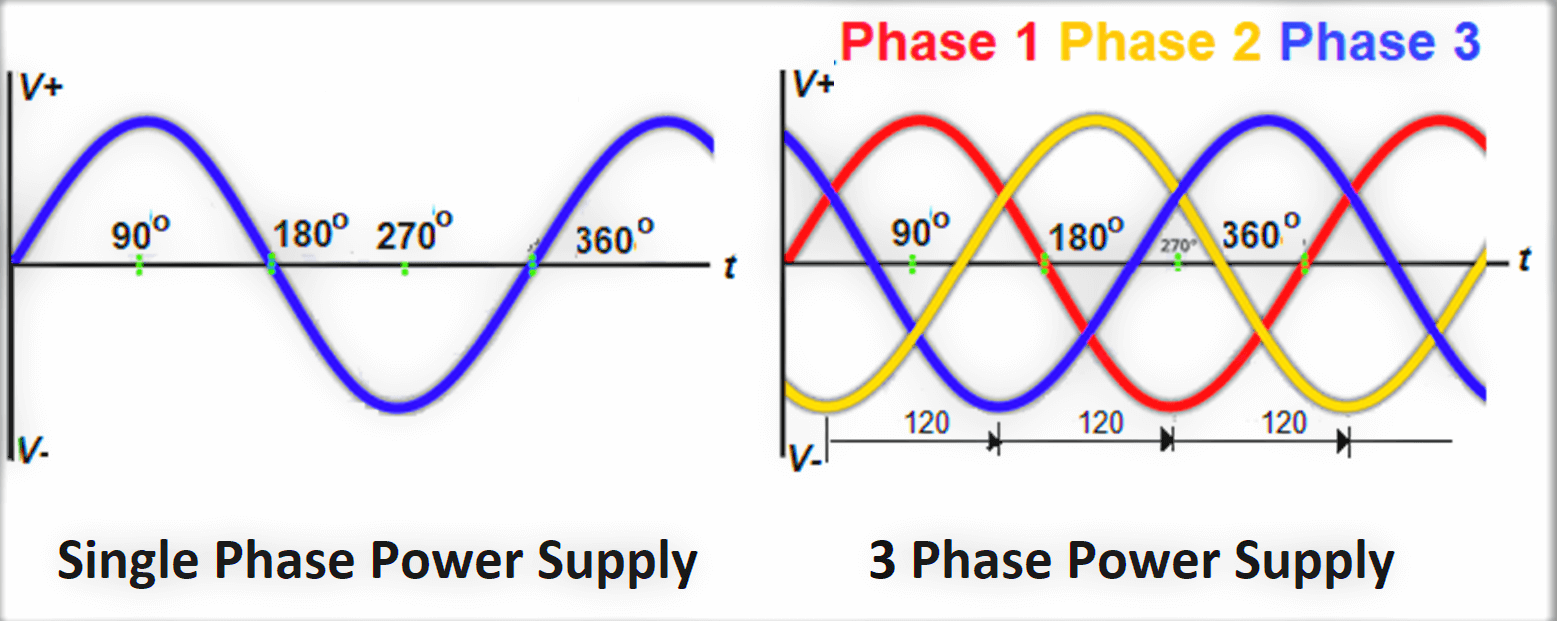
Applications: Single-phase is for homes and small businesses. Three-phase is for larger commercial and industrial applications.
Complexity: Three-phase systems are more complex and expensive to install than single-phase. You wouldn't bring a whole pizza oven to cook that one slice now, would you?
In short, think of single-phase as the reliable workhorse of your home, while three-phase is the powerhouse behind industries. They're both essential in their own ways, just suited for different levels of electrical hunger. Next time your lights flicker, remember your poor single-phase service is just doing its best! Or, just order more pizza… you can never go wrong with pizza.