Detail Grinders Offer More Power Than An End Grinder

Okay, let's talk power tools! Maybe you’re thinking, "Power tools? Sounds intimidating." But trust me, even if you're not a seasoned DIYer, understanding the nuances of different tools can be surprisingly fascinating and, dare I say, empowering. Today, we're diving into a comparison that might seem counterintuitive: the battle between detail grinders and end grinders. Specifically, we're exploring the idea that detail grinders often offer more power than end grinders. Why is this interesting? Well, it challenges our assumptions about size and strength and highlights the ingenious engineering behind specialized tools.
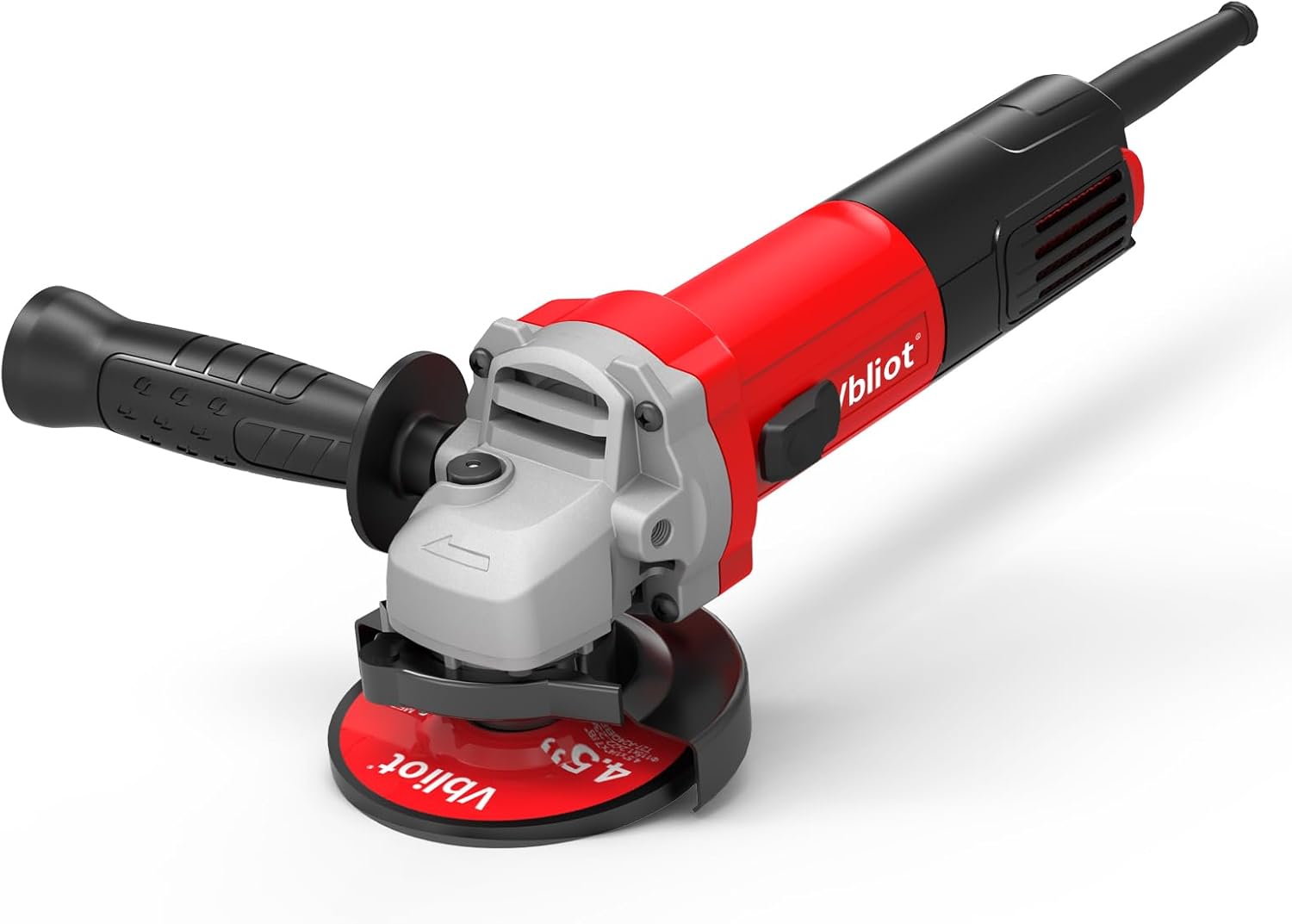
First, let’s define our terms. An end grinder, sometimes called an angle grinder, is that workhorse tool you often see in construction or metalworking. It’s typically larger, designed for heavy-duty tasks like grinding, cutting, and polishing metal. It uses a rotating abrasive disc. A detail grinder, on the other hand, is usually smaller and more specialized. Think of it as the surgeon's scalpel of the power tool world. It's designed for intricate work, reaching tight spaces, and achieving very precise results. Examples include rotary tools with flexible shafts and micro grinders.
So, how can the smaller detail grinder pack a bigger punch, power-wise? The key lies in the power-to-weight ratio and the way the power is delivered. End grinders are designed for brute force – removing large amounts of material. Detail grinders, however, are often built with high-speed motors and specialized attachments to maximize efficiency and control. They might not remove material as quickly, but they can apply force more precisely in a smaller area. Think of it like this: a sledgehammer is great for demolishing a wall, but a dentist's drill is far more powerful (in a specific, controlled way) when it comes to working on a tooth.
Must Read
The benefits of this concentrated power are numerous. In education, detail grinders are invaluable in model making, jewelry design, and even scientific research where precise material removal is required. Imagine crafting intricate circuits for a robotics project or shaping delicate metal components for a miniature engine. In daily life, detail grinders can be used for everything from cleaning grout in bathrooms to carving wood, polishing jewelry, or even sharpening small tools. Their precision and control make them perfect for projects where accuracy is paramount.

Want to explore this further? A simple way to start is by comparing the specifications of different grinders. Look at the wattage or amperage of the motor, and consider the tool's RPM (revolutions per minute). A higher RPM on a detail grinder, coupled with a smaller attachment, can translate to significant cutting or grinding power at the point of contact. Another practical tip is to watch some online videos comparing the performance of different grinders on similar tasks. Pay attention to how easily each tool handles the material and the level of control the user has.
Ultimately, the "best" grinder depends on the specific task. But understanding the nuanced differences in power delivery helps you choose the right tool for the job, and appreciate the clever engineering that goes into even the smallest power tools. So next time you see a detail grinder, don't underestimate its capabilities – it might just be the most powerful tool in your arsenal.