Demand For A Product Is Most Likely To Increase Because
Ever wondered why that trendy new gadget suddenly flies off the shelves, or why your favorite coffee shop is suddenly packed every Tuesday? Understanding what drives demand for a product is like having a secret decoder ring for the world of commerce. It's not just about economics; it's about understanding people, their desires, and the forces that shape their choices. And honestly, it's pretty fun to unravel! Understanding demand also helps us make smarter decisions as consumers, predicting when we might see sales or anticipating shortages. So, let's dive into the factors that make demand tick.
The purpose of understanding demand is to predict how much of a product or service consumers will want at a given time. This is crucial for businesses because it allows them to optimize production, manage inventory, and set prices effectively. The benefits are far-reaching: businesses can avoid overstocking (saving money) or running out of stock (keeping customers happy). Consumers also benefit because a well-managed supply means prices are more stable and products are readily available. For example, knowing that ice cream demand peaks in the summer allows manufacturers to prepare accordingly.
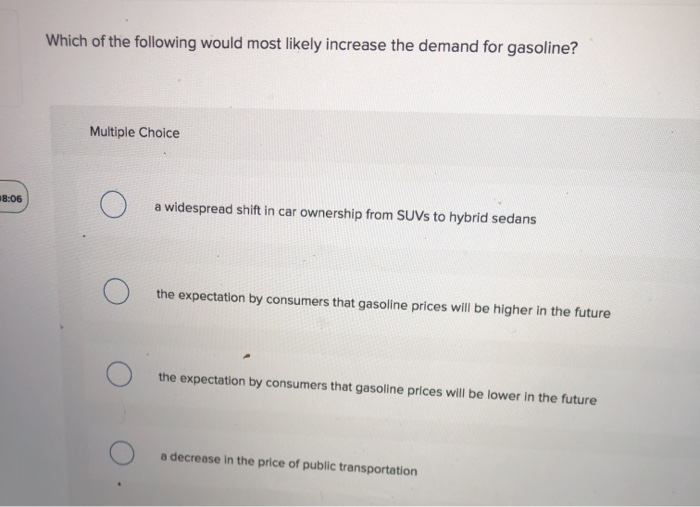
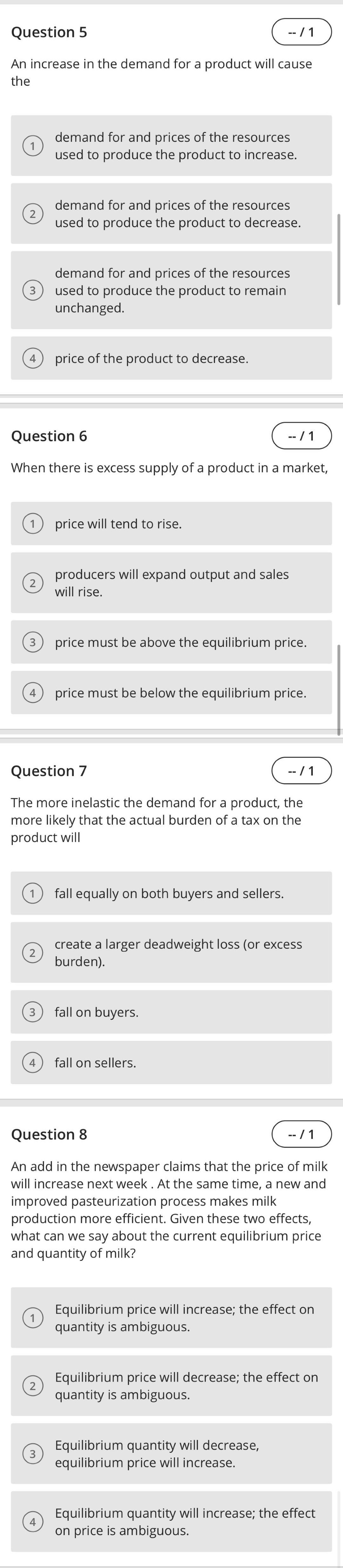
So, what makes demand for a product increase? Several factors play a key role. Perhaps the most obvious is a decrease in price. Think about it: when your favorite brand of cereal goes on sale, you're more likely to buy it, right? This is the law of demand in action. Another major factor is an increase in consumer income. When people have more disposable income, they tend to spend more on goods and services, driving up demand. Let's say everyone in your town gets a surprise bonus at work; suddenly, everyone can afford that fancy new restaurant, increasing its demand.
Must Read
Another significant influencer is a change in consumer tastes or preferences. Fashions change, new trends emerge, and what was once popular can quickly become outdated. For example, the rise of plant-based diets has significantly increased the demand for vegan and vegetarian products. Changes in the price of related goods also matter. If the price of coffee goes up, demand for tea might increase as people seek a cheaper alternative. These related goods can be either substitutes (like coffee and tea) or complements (like coffee and cream – if people buy less coffee, they might also buy less cream).
In education, understanding demand is a cornerstone of economics courses. Students learn to analyze market trends and predict consumer behavior. In daily life, we subconsciously apply these principles when we look for deals, anticipate holiday sales, or consider alternative products. Imagine you're planning a party; understanding how much food and drinks your guests will consume (demand!) is crucial for a successful event.
Here are some simple ways to explore this further. Start paying attention to the news and observe how events, like weather patterns or celebrity endorsements, impact demand for certain products. You can also analyze your own spending habits: what makes you more likely to buy something? Are you swayed by sales, influenced by trends, or driven by your income? Even tracking price changes in your local grocery store can offer valuable insights. Keep an eye out for news reports about economic trends, and try to connect those trends to the things you buy and use every day. By being observant and asking questions, you'll be well on your way to understanding the fascinating world of demand!