Definition Of Renewable And Non Renewable Energy
Ever feel like the world is talking about "going green" but you're not entirely sure what it all means? Don't worry, you're not alone! One of the biggest pieces of the puzzle is understanding the difference between renewable and non-renewable energy. It might sound a bit technical, but trust us, it's actually pretty straightforward – and incredibly important for the future of our planet. Think of it like this: it's the difference between having an endless supply of pizza and running out after just a few slices. Let's dive in!
So, what's the big deal? Well, the purpose of understanding these energy sources is simple: to make informed choices about how we power our lives. Knowing where our energy comes from and how it impacts the environment allows us to support sustainable practices and contribute to a healthier planet. And who doesn't want that?
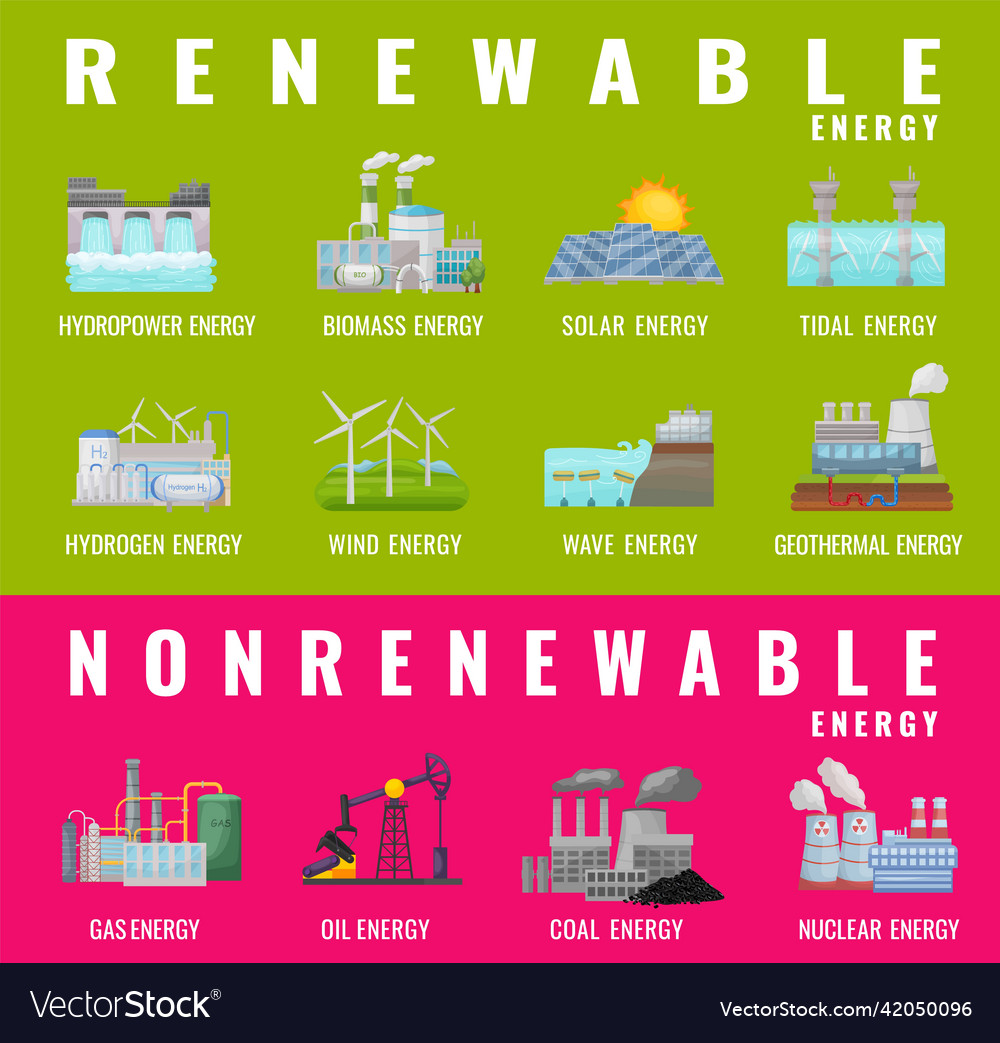
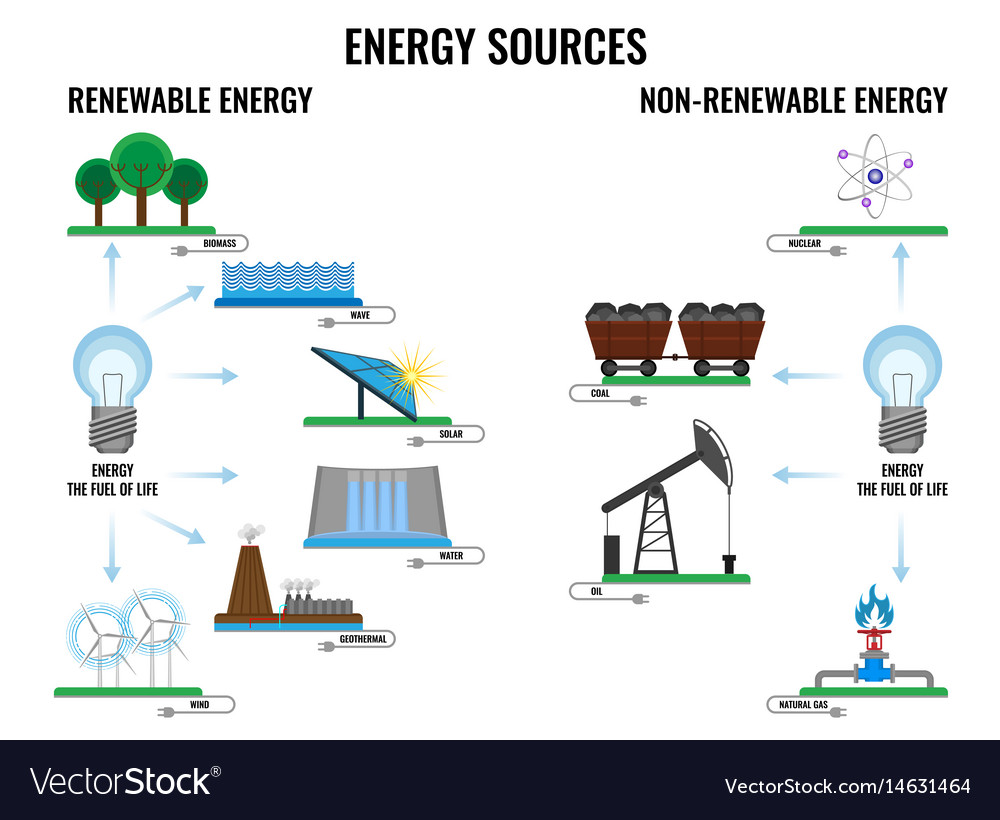
Let's start with renewable energy. Imagine energy sources that are constantly being replenished by nature. Think of the sun shining brightly, the wind blowing through the trees, or water flowing down a river. These are all sources of renewable energy! Essentially, they're resources that naturally renew themselves over a relatively short period of time. Common examples include:
Must Read
- Solar energy: Harnessing the power of the sun through solar panels.
- Wind energy: Using wind turbines to generate electricity.
- Hydropower: Utilizing the energy of moving water, like rivers and dams.
- Geothermal energy: Tapping into the Earth's internal heat.
- Biomass energy: Burning organic matter, like wood or crops, for fuel.
The benefits of renewable energy are huge. For starters, they're sustainable, meaning they won't run out anytime soon. They also produce little to no greenhouse gas emissions, which helps combat climate change. Plus, as technology improves, renewable energy is becoming more affordable and accessible.
Now, let's talk about non-renewable energy. These are resources that exist in finite quantities and cannot be easily replenished. Think of them as a limited supply of something valuable. Once they're gone, they're gone (at least within a human timescale!). The most common examples are:

- Fossil fuels (coal, oil, and natural gas): Formed from the remains of ancient plants and animals over millions of years.
- Nuclear energy: Derived from the splitting of atoms of uranium, a non-renewable resource.
The problem with non-renewable energy is that burning fossil fuels releases large amounts of greenhouse gases, contributing significantly to climate change. While nuclear energy doesn't produce greenhouse gases directly, it does create radioactive waste that needs to be carefully managed. Also, these resources are finite and eventually, we will run out.
In conclusion, understanding the difference between renewable and non-renewable energy is crucial for making informed decisions about our energy future. Choosing renewable energy sources is a fantastic way to reduce our impact on the environment and ensure a sustainable future for generations to come. So, next time you hear someone talking about solar panels or wind turbines, you'll know exactly what they're talking about – and why it matters!