
Definition Of Non Renewable Resources In Biology
Ever thought about where the stuff we use every day really comes from? Like, way back before it was your phone or your car? Well, in biology (sort of!), we talk about resources. And some of those resources? They're a one-time deal.
Think of it like this: imagine a giant piggy bank filled with chocolate coins. These coins represent all the resources on Earth.
Now, some of those coins magically multiply overnight (renewable resources!), but others... well, once they're gone, they're gone! That's where non-renewable resources come in.
Must Read
What Exactly Are These "Gone-Forever" Goodies?
Okay, let’s get down to brass tacks. A non-renewable resource is basically something that the Earth can't replenish within a reasonable human timeframe. We're talking millions of years – longer than it takes for your embarrassing childhood photos to disappear from the internet!
These resources are often formed over eons from decaying organic matter. Imagine tiny prehistoric plants and animals undergoing immense pressure and heat deep underground for, like, forever. That's where a lot of the magic (and non-renewability) happens.
So, in short, we use them faster than they can be created. That's what makes them non-renewable!
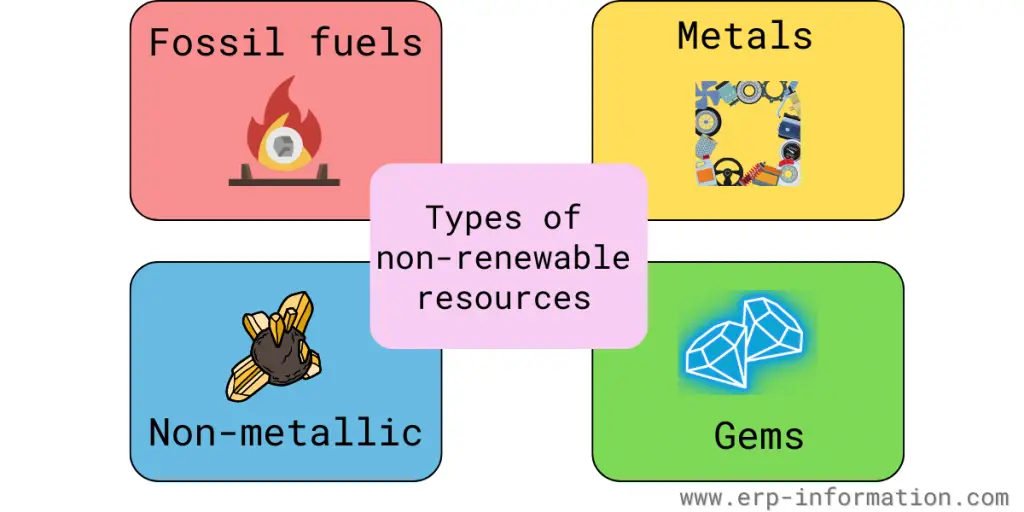
The Usual Suspects: Fossil Fuels
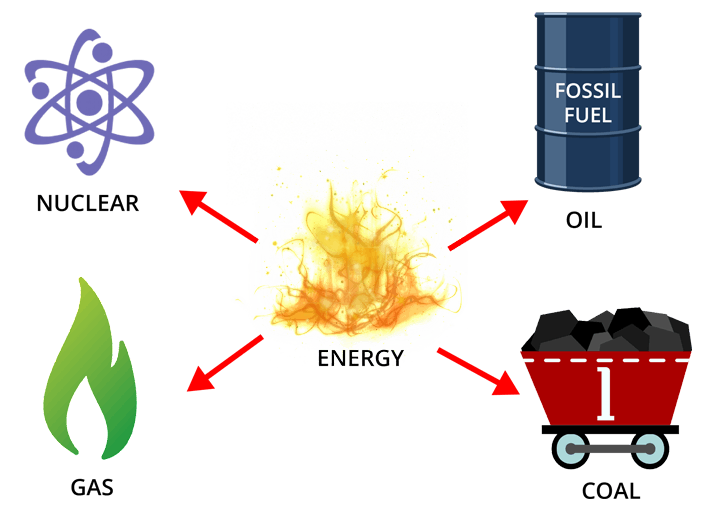
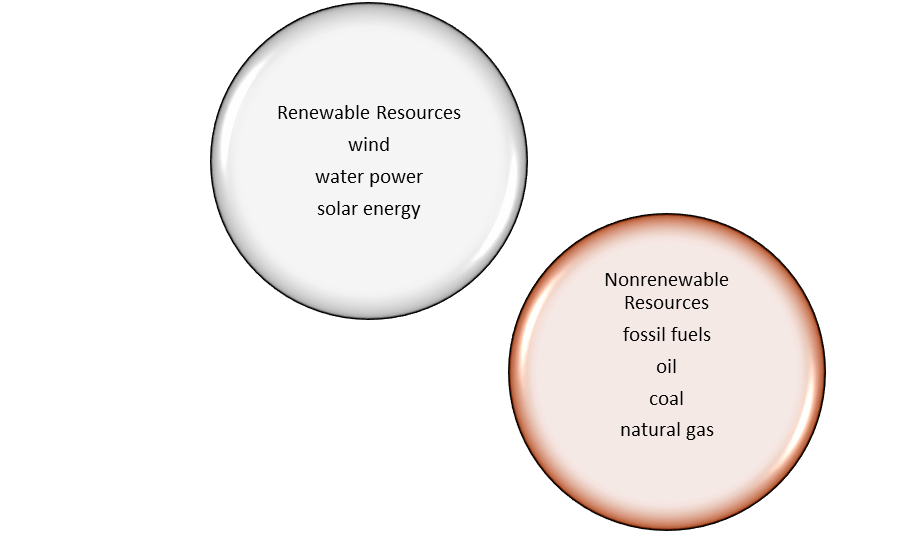
The biggest, most talked-about non-renewable resources are fossil fuels. These are coal, oil (petroleum), and natural gas. Think of them as ancient sunlight, trapped and transformed over millennia!
These fuels power our cars, heat our homes, and keep the lights on. They’re incredibly useful, but burning them releases carbon dioxide, a major contributor to climate change.
It's like having a super-efficient fireplace that also makes the room incredibly stuffy and uncomfortable. Good in the short term, but potentially disastrous in the long run!
:max_bytes(150000):strip_icc()/nonrenewableresource--45c79b3da26d4bd0bf7e7ee1ad82c4a5.jpg)
Mining for Minerals: Another Finite Feast
It's not just about fuels! Minerals like iron ore, copper, and gold are also considered non-renewable. These are the building blocks of, well, pretty much everything!
Think about the copper wiring in your house, the iron in your car’s engine, or the gold in your grandma’s prized necklace. All these came from the Earth, and once extracted, they're not coming back anytime soon.
Mining these resources can be a messy business, often leaving behind environmental scars. Imagine digging up your entire backyard to find a single lost earring – not ideal, right?
Biology's Bit Part: Why It Matters to Life
You might be thinking, "Okay, this sounds like an earth science lesson. Where does biology come in?" Good question!
While non-renewable resources aren't directly alive, they profoundly impact living organisms. Burning fossil fuels, for example, releases pollutants that affect air quality and contribute to respiratory problems.
And consider the habitats destroyed during mining operations. Whole ecosystems can be disrupted or even wiped out, impacting countless species. The consequences ripple through the entire web of life.
A Bit of Perspective: We're Borrowing, Not Owning
The key takeaway is that we're not creating these resources. We're essentially borrowing them from the Earth, and from future generations.
It's like borrowing your neighbor's super-rare, vintage record collection. You can enjoy listening to it, but you have to be careful not to scratch it, and you eventually have to give it back (or, in this case, leave some for others).
Using non-renewable resources responsibly means thinking about the long-term consequences of our actions. Are there alternatives? Can we use them more efficiently? Can we recycle them?
The Future is Now: What Can We Do?
The good news is that we're not entirely helpless! There are plenty of ways to reduce our reliance on non-renewable resources.
Investing in renewable energy sources like solar, wind, and hydropower is a big step. These resources are constantly replenished, offering a more sustainable alternative to fossil fuels.
Conserving energy at home and at work is also crucial. Turning off lights, unplugging electronics, and using public transportation can all make a difference.
Recycling: Giving Materials a Second Life
Recycling is another powerful tool. By recycling materials like aluminum, glass, and paper, we reduce the need to mine for new resources.
Think of it as rescuing those chocolate coins from the trash and melting them down to make new ones! It's not quite the same as having them magically appear, but it's a lot better than losing them forever.
Plus, recycling often requires less energy than producing new materials from scratch. It's a win-win!
Innovation is Key
Scientists and engineers are constantly developing new technologies to make our use of resources more sustainable. From more efficient batteries to innovative building materials, the possibilities are endless.
Imagine a world where our cars run on air and our homes are powered by the sun. It might sound like science fiction, but it's closer than you think!
These innovations offer hope for a future where we can meet our needs without depleting the Earth's finite resources. It's all about finding clever ways to work with nature, rather than against it.
A Humorous Aside: The Great Toilet Paper Crisis
Remember the great toilet paper shortage of 2020? It might seem silly now, but it offered a glimpse into what can happen when we suddenly face scarcity, even of seemingly mundane resources.
While toilet paper isn't exactly a non-renewable resource (trees can be replanted!), it highlighted our dependence on complex supply chains and the potential for disruption. Plus, it was just plain weird.
Perhaps the lesson is to appreciate the resources we have and to be mindful of our consumption habits. And maybe, just maybe, to stock up on a reasonable amount of toilet paper. You know, just in case.
Beyond Doom and Gloom: A Reason for Optimism
While the topic of non-renewable resources can seem daunting, it's important to remember that we have the power to make a difference. Every small action counts.
From choosing to walk instead of drive to supporting companies that prioritize sustainability, we can all contribute to a more resource-efficient future.
It's about embracing a mindset of stewardship, recognizing that we're all connected and that our actions have consequences. And maybe, just maybe, leaving behind a planet that's even better than we found it.
Wrapping Up: The Circle of (Sustainable) Life
So, there you have it! Non-renewable resources in a nutshell: ancient treasures that we're using at an unsustainable rate.
Understanding the importance of these resources, and the challenges they pose, is the first step towards a more sustainable future. Let's all do our part to protect our planet for generations to come.
And who knows? Maybe someday, we'll be able to create chocolate coins out of thin air! Until then, let's be mindful of the ones we have.