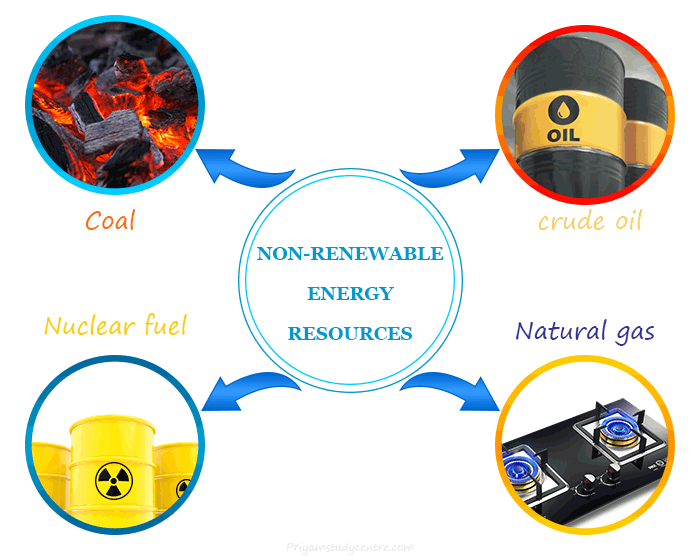
Definition Of Non Renewable Natural Resources
Hey there! Sipping on some coffee? Me too! Let's chat about something kinda serious, but also super important: non-renewable natural resources. What are they, anyway? Well, buckle up, buttercup, because we're about to dive in!
Basically, non-renewable resources are things we get from the Earth that, once we use them up... poof! They're gone. Or, okay, not exactly gone, but they take, like, millions of years to form again. So, for all practical purposes, they're gone for our lifetimes and the lifetimes of, oh, I don't know, a gazillion generations after us. Think of it like that limited-edition donut you scarfed down this morning. Delicious? Yes. Coming back tomorrow? Sadly, no. (Unless you bribe the baker, maybe?)
The Usual Suspects (and a Few Sneaky Ones!)
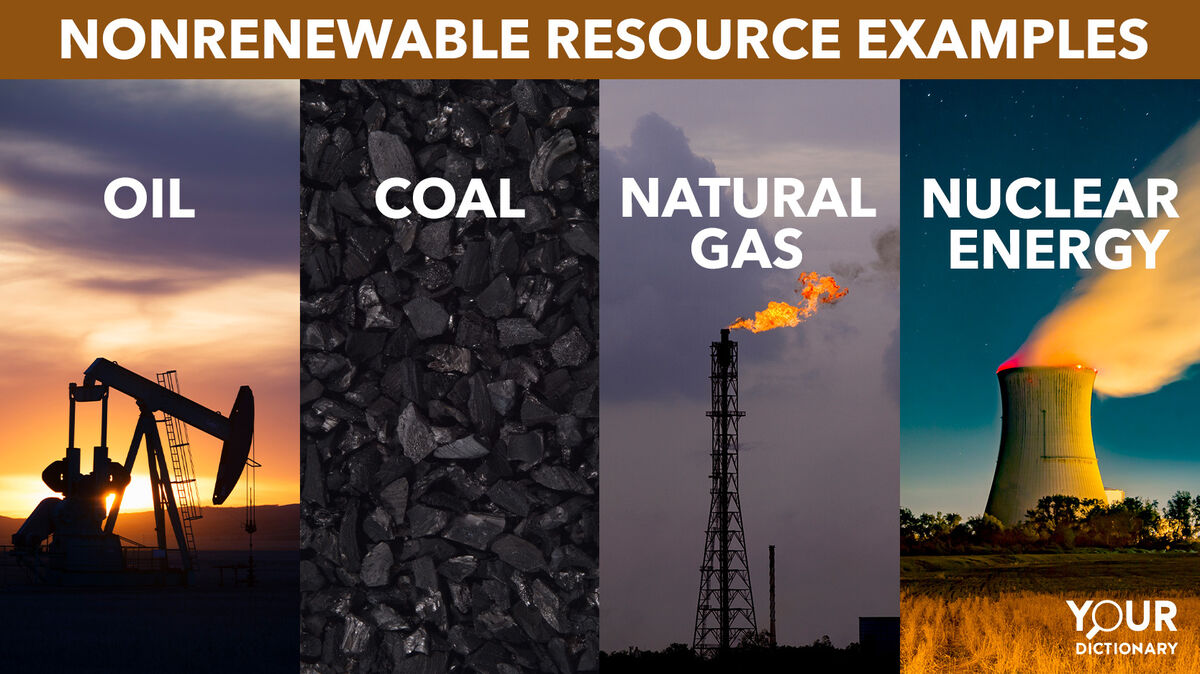
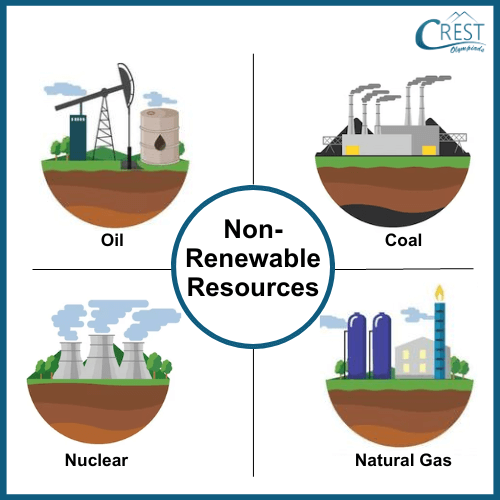
Now, what are some examples? I bet you already know the big ones! Fossil fuels, of course! We're talking coal, oil (or petroleum, if you're feeling fancy), and natural gas. These bad boys are formed from the remains of ancient plants and animals that have been squished and cooked underground for, like, a really long time. Imagine a giant pressure cooker, only instead of making chili, it's making gasoline. Yum?
Must Read
Burning these fuels gives us energy – energy to power our cars, heat our homes, and keep the lights on. But (and it's a BIG but!), burning them also releases greenhouse gases into the atmosphere, contributing to climate change. Uh oh! See? Serious stuff!
But wait, there's more! It's not just about fuels. Nuclear fuels, like uranium, are also non-renewable. These elements are mined from the Earth, used in nuclear reactors to generate electricity, and... well, let's just say the waste products are around for a very long time. Like, "talking to your great-great-great-great-great-grandkids about it" long time. Are you starting to feel old yet?
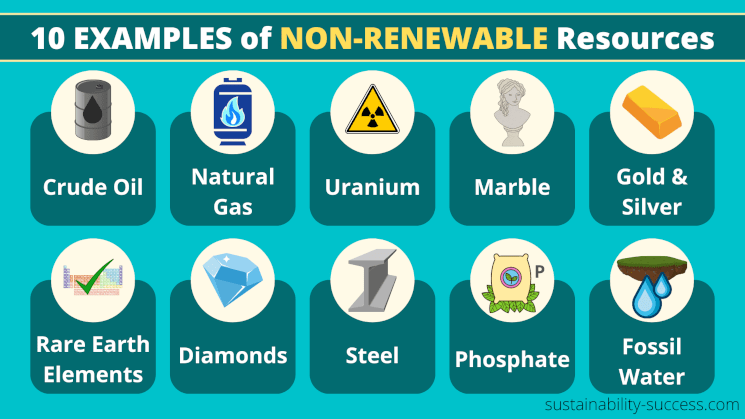
And even minerals and metals fall into this category! Iron, copper, gold (shiny!), aluminum… these are all finite resources. We mine them from the ground, use them to make everything from skyscrapers to smartphones, and eventually, we'll run out (or, at least, make it really, really expensive to get them). Ever think about where your phone comes from? It's kinda mind-blowing, right?
Why Should We Care? (Besides the Whole "End of the World" Thing)
Okay, so we know what non-renewable resources are. But why should we care? Well, aside from the obvious "we need these things to survive" point, there are a few key reasons:
- Sustainability: Using non-renewable resources at the rate we are now just isn't sustainable. It's like eating all the pizza in the world in one sitting – fun for a minute, but you'll definitely regret it later (and everyone else will be hungry).
- Environmental Impact: Mining and extracting these resources can be super damaging to the environment. Think deforestation, habitat destruction, pollution… the list goes on and on. It's like inviting a wrecking ball to a tea party – not gonna end well!
- Economic Instability: When resources become scarce, prices go up. Way up! This can lead to economic instability and even conflict. Who knew a lack of metal could lead to so much drama?
So, What Can We Do? (Besides Panic)
Alright, alright, don't freak out! It's not all doom and gloom. There are things we can do! We can:
- Conserve energy: Turn off the lights when you leave a room, use public transportation, and buy energy-efficient appliances. Small changes make a big difference!
- Support renewable energy: Invest in solar, wind, and other renewable energy sources. Let's harness the power of the sun and the wind!
- Recycle and reuse: Reduce, reuse, recycle! It's the mantra of a sustainable future. Give those materials a second life!
- Be mindful of our consumption: Think about what you're buying and whether you really need it. Do you really need that tenth pair of shoes? (Okay, maybe you do. But think about it!)
Ultimately, understanding non-renewable resources is the first step toward creating a more sustainable future. It's about making smart choices, being mindful of our impact, and working together to protect our planet. So, next time you fill up your car or flip on a light switch, take a moment to think about where that energy comes from and what you can do to make a difference. We can do this, friends! Now, who wants another cup of coffee? This time, let's think about where those coffee beans came from! 😉
:max_bytes(150000):strip_icc()/nonrenewableresource--45c79b3da26d4bd0bf7e7ee1ad82c4a5.jpg)