
Dangers Of Natural Gas In Home
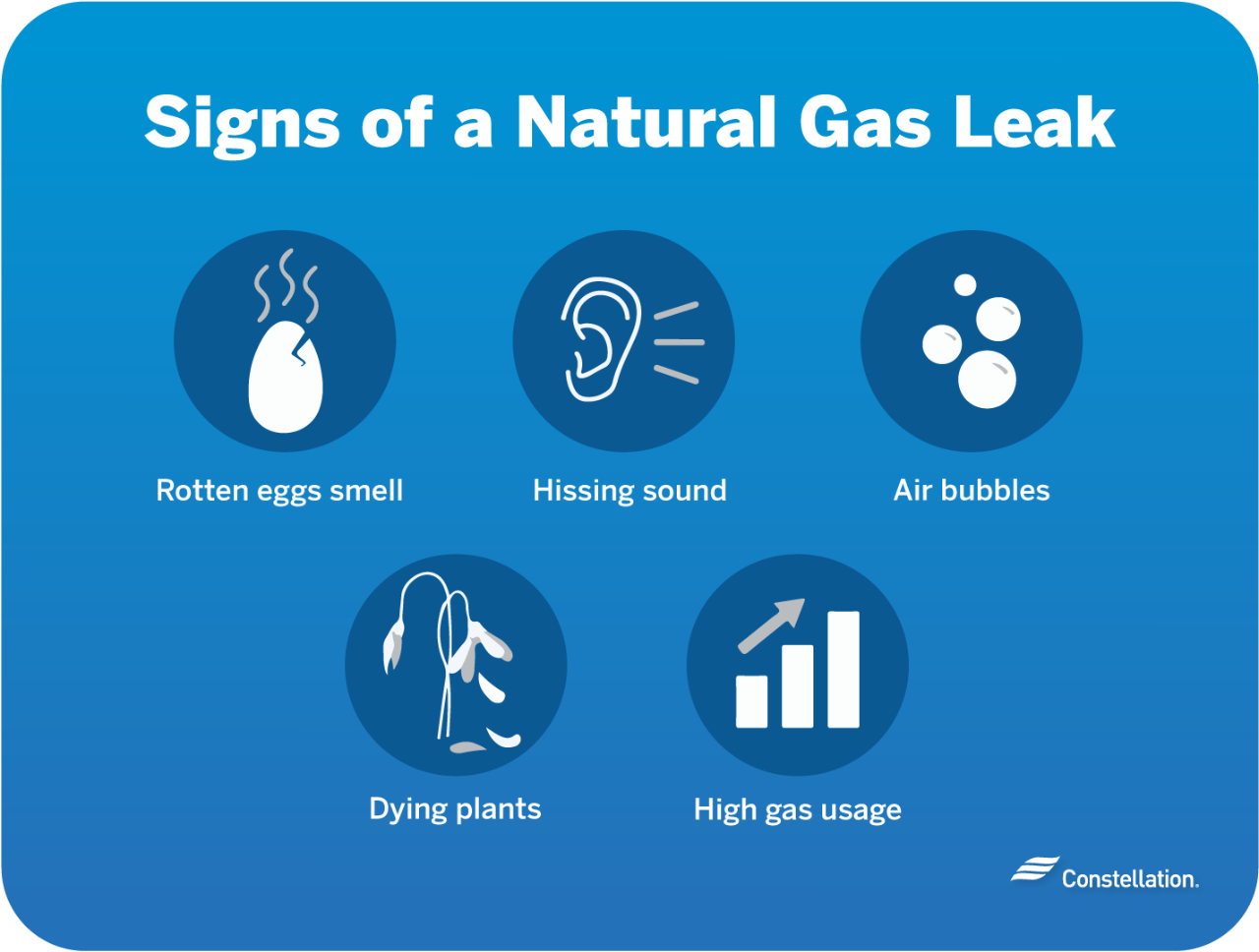
Alright, let's have a little chat about something that’s probably warming your home, cooking your dinner, and heating your water right this very moment: natural gas. It’s the unsung hero of many a cozy evening, the silent workhorse behind your hot showers. But like that overly enthusiastic golden retriever who just loves to greet guests (sometimes a little too enthusiastically), natural gas, for all its charm, has a few quirks you really need to be aware of.
Think of natural gas as that really helpful but super strong friend who can either lift your couch with ease or accidentally knock over your entire bookshelf if you're not careful. Most of the time, it's a dream. But sometimes, things go a bit sideways, and that's when our friendly gas can become a bit of a party pooper, or worse.
The Invisible Ninja: Natural Gas Itself
Here’s the thing about natural gas straight from the pipe: it's naturally colorless and odorless. Yep, totally sneaky! That distinct "rotten egg" smell we all associate with gas? That's actually a superhero additive called mercaptan, purposefully put in there by the gas company. It’s like the gas company saying, "Hey, we know this stuff is important, so we added a really stinky alarm clock to it!" If you smell it, your nose is your first, best bodyguard.
Must Read
The Big Booms and Whoosh! (And Why We Don't Want Them)
Okay, let's get the scariest one out of the way first: explosions and fires. This is what happens when too much natural gas builds up in an enclosed space and then meets a spark. That spark could be anything – flipping a light switch, plugging in a phone charger, even the static electricity from petting your cat. It’s like trying to light a barbecue with a gallon of gasoline, inside your living room. Absolutely not a good idea.
The danger here is obvious: significant damage, severe injury, or worse. This isn't just a "whoopsie, burnt the toast" moment; it's a "call 911 and evacuate immediately" situation.

The Sneaky Silent Killer: Carbon Monoxide
Now, this one is even sneakier than plain natural gas because it’s usually a byproduct of incomplete combustion. When your gas furnace, water heater, or stove isn't burning gas properly, it produces carbon monoxide (CO). And CO? That’s the real invisible ninja. It's colorless, odorless, and tasteless. It silently replaces oxygen in your blood, making you feel drowsy, dizzy, nauseous, or giving you a killer headache.
People often mistake CO poisoning symptoms for the flu or just being tired. You might think, "Oh, I'm just having a rough day," when really, your body is being starved of oxygen by this insidious gas. It’s why you absolutely need working carbon monoxide detectors in your home. They’re like little guardians, screaming for help when you can't even smell the danger.
![Dangers of Natural Gas [Infographic] | Jim On Light](https://jimonlight.com/wp-content/uploads/2012/01/dangers-of-natural-gas-620x1741.jpg)
How to Play Detective: Spotting a Gas Problem
So, how do you know if your friendly gas friend is misbehaving?
- The Smell Test: Your nose is your primary tool. If you catch that signature "rotten egg" whiff, pay attention! Don't assume it's just your teenager's gym socks (though it very well might be).
- The Sound Check: Hear a faint hissing sound near a gas appliance or pipe? That's not your house settling; that could be a leak. It’s like a tiny snake having a really bad day.
- The Sight See: Look for any visible damage to gas pipes or connections. Sometimes you might see dying or discolored plants near an outdoor gas line, as the gas can displace oxygen in the soil.
- The Feel Bad: If you or others in the house are experiencing unexplained headaches, dizziness, nausea, or fatigue, especially if symptoms improve when you go outside, think CO.
Uh Oh, I Smell Gas! What Now?!
Alright, deep breaths. If you suspect a gas leak (smell, hiss, or weird symptoms), here’s the game plan:

- NO SPARKS! This is huge. Do NOT turn light switches on or off. Do NOT use your phone inside. Do NOT light candles. Just leave anything electrical alone. Your phone selfies can wait.
- Open Windows: If it's safe to do so quickly, open windows and doors to air out the space.
- Get Out: Evacuate everyone, including pets, immediately. Don't waste time looking for the source. Just get out.
- Call for Help: Once you're safely outside and a good distance away, call your gas company's emergency line or 911.
Peace of Mind: Prevention is Your Best Friend
Don't let this turn you into a gas-fearing recluse! Natural gas is wonderfully safe when treated with respect. A few simple steps can keep your home humming along happily:
- Install CO Detectors: Seriously, this is your invisible gas bodyguard. Place them near sleeping areas and on every level of your home. Test them regularly!
- Annual Appliance Checks: Get your gas appliances (furnace, water heater) professionally checked annually. Think of it as a yearly physical for your home's most important gadgets.
- Know Your Shut-Off: Locate your main gas shut-off valve. Knowing where it is and how to turn it off is like having a superpower switch in an emergency.
- Ventilation is Key: Ensure good ventilation when using gas stoves or fireplaces.
Natural gas is an amazing utility that makes our lives easier and cozier. It just needs a little common sense and respect, like any powerful tool. By understanding its quirks and knowing what to do in a pinch, you can keep your home safe, warm, and free from any unexpected "rotten egg" dramas. Stay smart, stay safe, and enjoy those hot showers!
