
Cycling Of Matter And Energy Flow Quick Check
Hey friend! Ever wondered what happens to that apple core you chucked in the compost, or why the sun feels so darn good on your skin? Well, buckle up, buttercup, because we're about to dive into the fascinating (and surprisingly cool) world of cycling matter and energy flow! Don't worry, it's not as intimidating as it sounds. Think of it as nature's recycling program... but way more awesome.
Matter Cycling: The Ultimate Re-Users
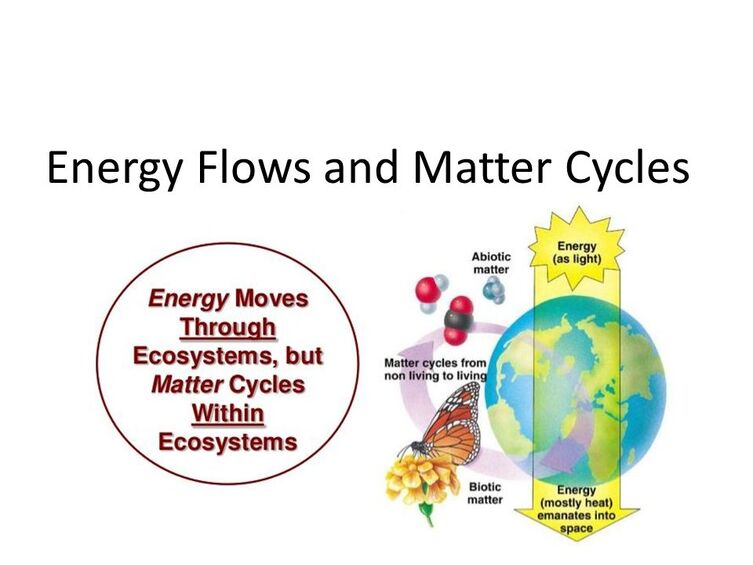
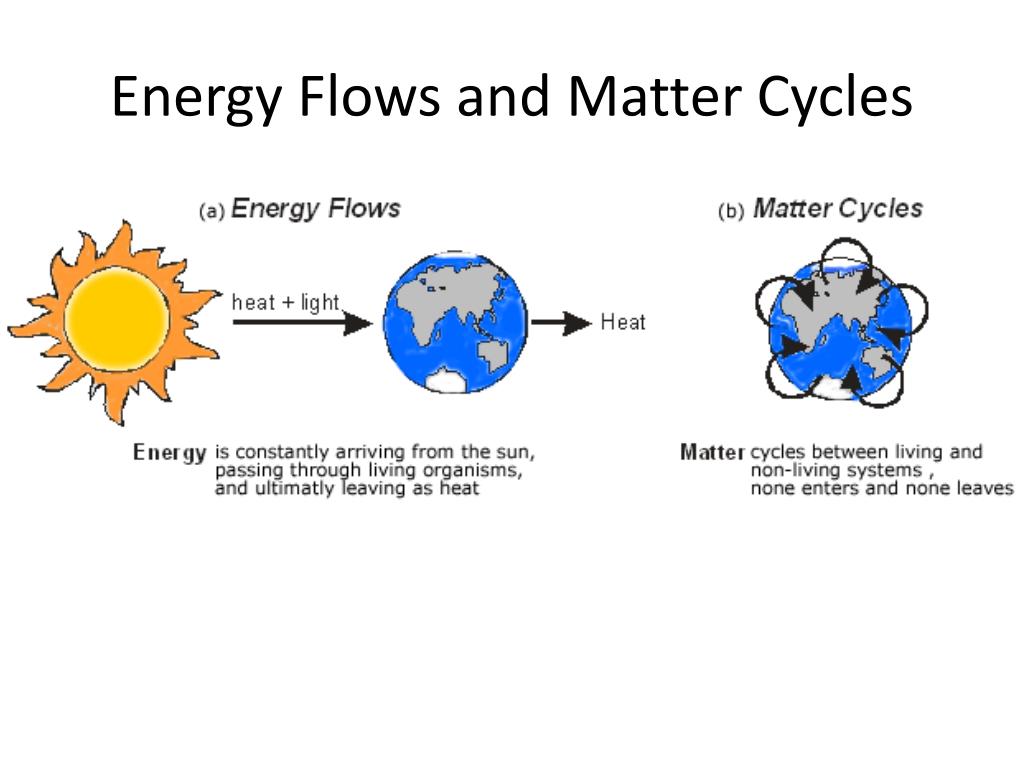
First up, let's talk about matter. Matter, my friend, is anything that has mass and takes up space. That's you, me, your pet hamster, and yes, even that leftover pizza in the fridge (don't judge!). Unlike energy (which we'll get to in a sec), matter doesn't just disappear. It gets recycled! Seriously, Mother Nature is the queen of repurposing.
Think about it: when a tree falls in the forest (and no one's around to hear it... did it really make a sound?), it doesn't just vanish. Decomposers like fungi and bacteria get to work, breaking down the wood into smaller and smaller pieces. These pieces become nutrients that enrich the soil, which other plants then use to grow. It's like a giant, continuous loop!
Must Read
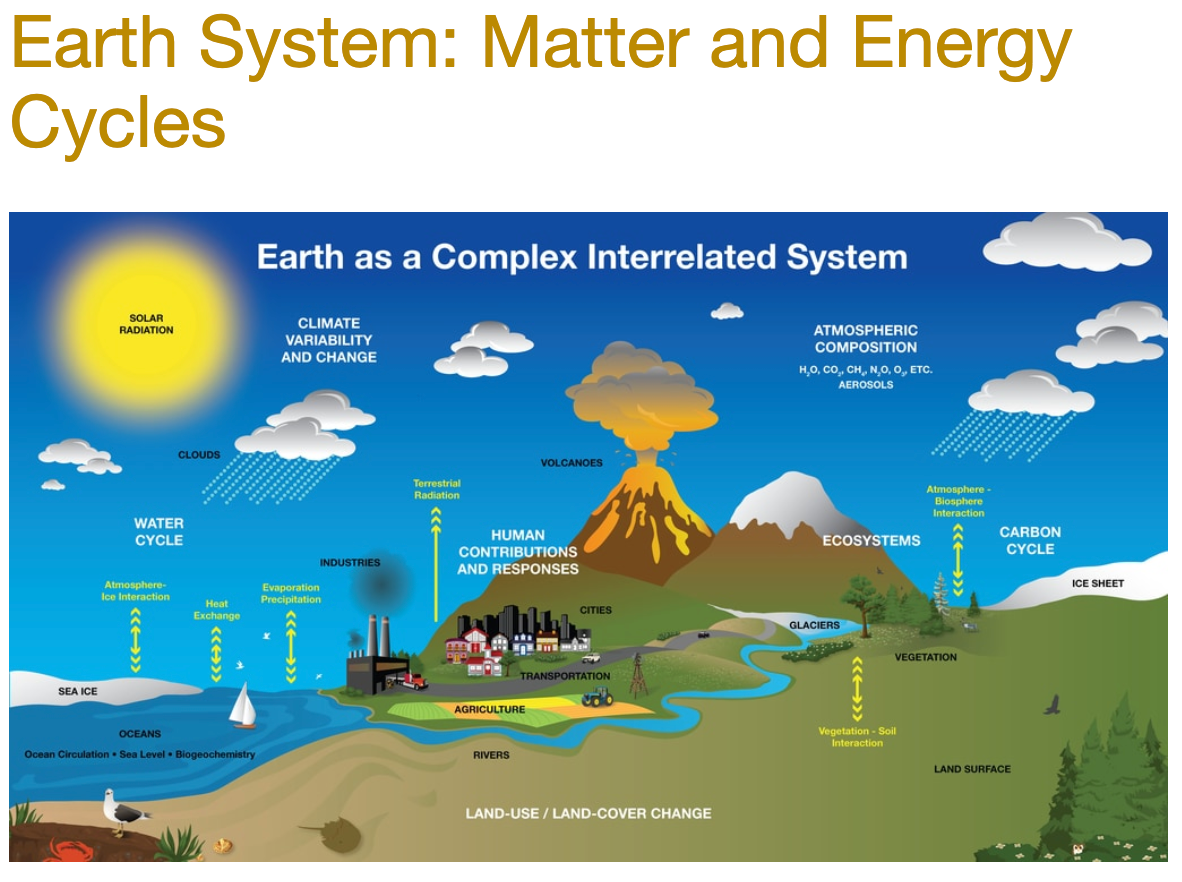
We see this cycling of matter everywhere. The water cycle? Evaporation, condensation, precipitation - it's all about water molecules constantly changing form and moving around. The carbon cycle? Plants grab carbon dioxide from the air, we eat the plants (or the animals that eat the plants), and then we breathe out carbon dioxide. It's a cosmic dance of atoms swapping partners!
And the nitrogen cycle? Okay, I won't bore you with all the details of nitrification and denitrification, but just know that nitrogen, a crucial element for life, is constantly being converted and reused. Basically, nothing goes to waste in nature’s grand design. Isn’t that neat?

Energy Flow: The One-Way Street
Now, let's talk about energy. This is where things get a little different. Unlike matter, energy doesn't cycle. It flows in one direction.
The ultimate source of energy for most ecosystems? You guessed it: the sun! Plants (the clever little cookies they are) use sunlight to perform photosynthesis, creating their own food. They're like tiny solar panels, constantly converting light energy into chemical energy in the form of sugars.
Then, herbivores (plant-eaters) come along and eat the plants, transferring some of that energy to themselves. Carnivores (meat-eaters) eat the herbivores, and so on up the food chain. But here's the kicker: at each step, some energy is lost as heat. That's why food chains are relatively short. There simply isn't enough energy left at the top to support a whole bunch of top predators. It's like trying to power your entire house with a single AA battery – it’s just not gonna happen!
So, energy flows from the sun to producers (plants), to consumers (animals), and eventually dissipates as heat. It doesn't get recycled. It's a one-way ticket to the heat-death of the universe... okay, maybe that's a bit dramatic. But you get the idea!
Why Does It All Matter? (Pun Intended!)
Knowing about the cycling of matter and energy flow is super important for understanding how ecosystems work. It helps us see how everything is connected and how our actions can have a ripple effect. If we pollute the water, we disrupt the water cycle. If we cut down all the trees, we mess with the carbon cycle. If we overuse fertilizers, we throw off the nitrogen cycle. You get the picture! Understanding these cycles helps us be better stewards of our planet.
Think of it like this: we're all part of this big, beautiful, interconnected web of life. Every action we take, no matter how small, can have an impact. So, let's try to make those impacts positive ones. Reduce, reuse, recycle, and remember to appreciate the amazing processes that keep our planet humming along. Plus, knowing this stuff makes you sound super smart at parties!
So, there you have it! Cycling of matter and energy flow in a nutshell. Not so scary after all, right? Now go forth and spread the knowledge! And maybe give that apple core to the compost bin instead of the trash. Mother Nature will thank you. And who knows, maybe you'll even grow a delicious apple tree of your own someday!
