
Cutting Strength Of Cookie Using Shear Test
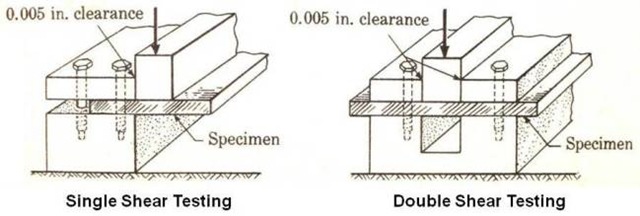
Ever wondered why some cookies crumble perfectly in your hand while others require superhuman strength to snap? It's not just about the recipe, folks! There's a fascinating bit of science involved, particularly when it comes to measuring how easily a cookie breaks – a property we can think of as its "cutting strength." And the way we scientifically measure this is often using something called a shear test.
Okay, "shear test" sounds a little intimidating, right? It evokes images of labs, white coats, and complex machinery. But trust me, the underlying idea is pretty straightforward. Think of it like this: imagine you're using a pair of scissors. You're applying force to shear the paper (or, in our case, the cookie!) into two pieces.
The shear test basically does the same thing, but with a highly precise instrument. A small blade, or sometimes a wire, is pressed down on the cookie with increasing force until it finally snaps. The machine carefully measures the amount of force needed to achieve that break. The higher the force, the tougher the cookie! That's essentially what we mean by "cutting strength."
Must Read
Why Should I Care About Cookie Cutting Strength? (Seriously!)
Alright, I can hear you thinking: "This is all very interesting, but what does it have to do with my afternoon snack?" Well, you might be surprised! Understanding cutting strength, and using shear tests to measure it, is actually hugely important for bakers, food scientists, and even manufacturers.
Think about quality control. Imagine you're in charge of baking a million cookies a day. You need to make sure that every single cookie offers the same delightful experience. You don't want some cookies to be rock-hard and others to crumble into dust before they even reach the packaging. Shear tests help ensure consistency, batch after batch.

It's all about texture!
Cutting strength is a direct indicator of texture. A lower cutting strength suggests a more tender, crumbly cookie, while a higher cutting strength means a chewier or harder one. By carefully controlling the ingredients and baking process, and then using shear tests to measure the results, bakers can fine-tune their recipes to achieve the perfect texture for their cookies.
Consider those delicate shortbread cookies that melt in your mouth. They're specifically formulated to have a low cutting strength. On the other hand, a biscotti, designed for dipping in coffee, needs a higher cutting strength to hold its shape. Different cookies, different textures, different cutting strengths!
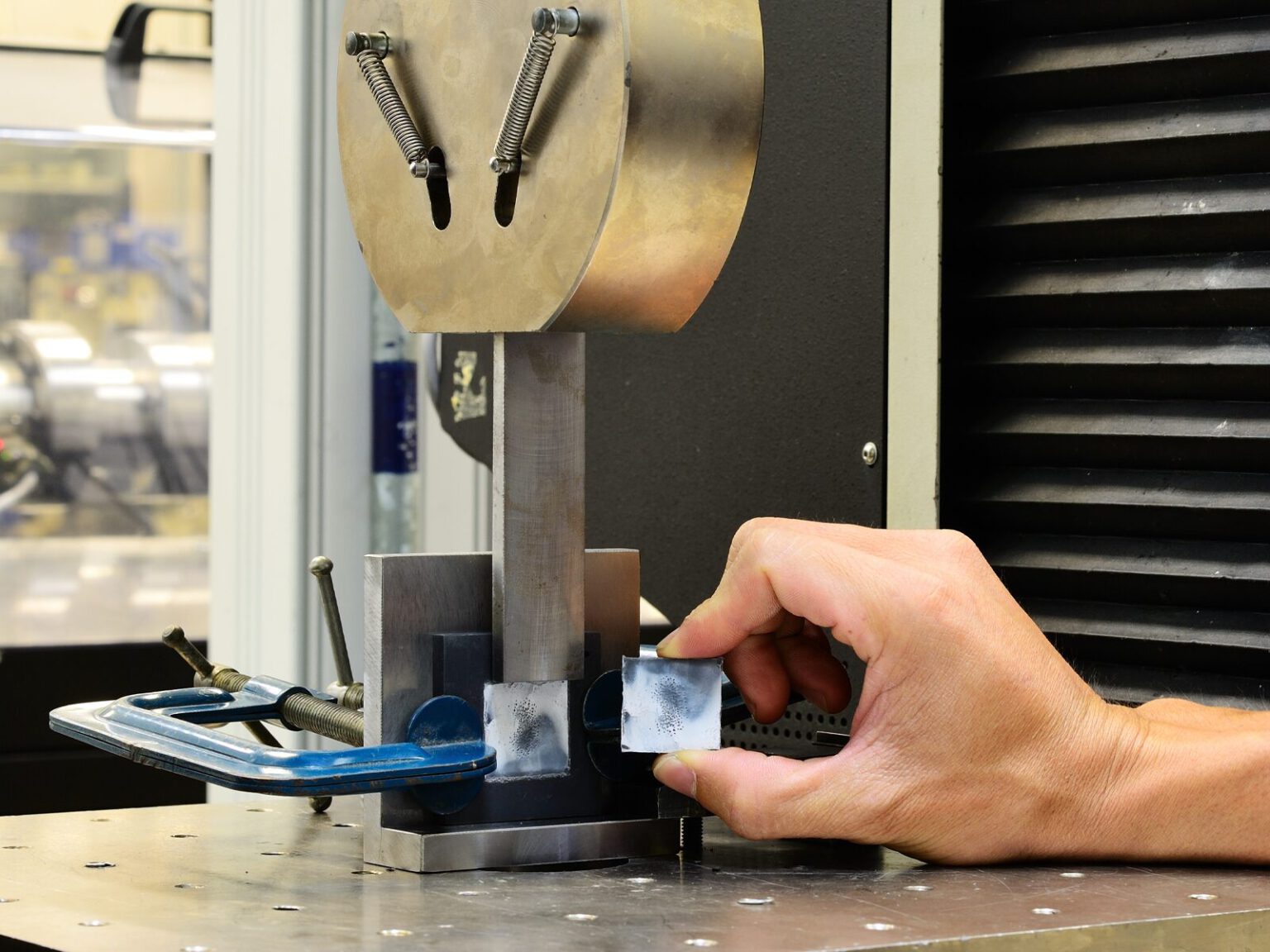
Beyond consistency and texture, understanding cutting strength can also help with packaging and transportation. Knowing how much force a cookie can withstand before breaking is crucial for designing packaging that protects the cookies from damage during shipping. Nobody wants a box full of cookie crumbs!
Think of those individually wrapped cookies you buy in a vending machine. They need to be robust enough to survive being jostled around, dropped, and generally mistreated. Shear testing helps ensure they can handle the rough and tumble of their journey.
The Science of the Snap: A Little Bit of Ingredient Magic
So, what affects a cookie's cutting strength? A whole bunch of things! The type of flour used, the amount of fat, the amount of moisture, the baking time and temperature – they all play a role.

For example, using a higher protein flour can lead to a tougher cookie with a higher cutting strength. Adding more fat, like butter or shortening, tends to make a more tender cookie with a lower cutting strength. Think of it like this: more fat = more "shortening" of the gluten strands, which weakens the structure and makes it easier to break.
Baking time is crucial. Overbaking will dry out the cookie and increase its cutting strength, while underbaking can lead to a gummy texture and a lower, but perhaps undesirable, cutting strength.
Food scientists use shear tests to experiment with different ingredients and baking techniques to see how they affect the final product. It's a way to objectively measure the impact of those changes and fine-tune the recipe for optimal results.

From Lab to Your Kitchen: A Cookie-Eating Perspective
While you probably won't be performing shear tests in your own kitchen (unless you're a very dedicated baker!), understanding the concept can actually enhance your appreciation for the art and science of cookie making.
Next time you bite into a cookie, take a moment to consider its texture. Is it crisp and snappy? Soft and chewy? Does it crumble easily, or does it offer some resistance? You're essentially experiencing its cutting strength firsthand!
So, the next time someone mentions a "shear test," don't be intimidated! Remember the cookies. It’s a way to ensure every bite is just as delicious and satisfying as the last. After all, who doesn't want the perfect cookie?