
Cuánto Se Paga De Luz Al Mes En Estados Unidos
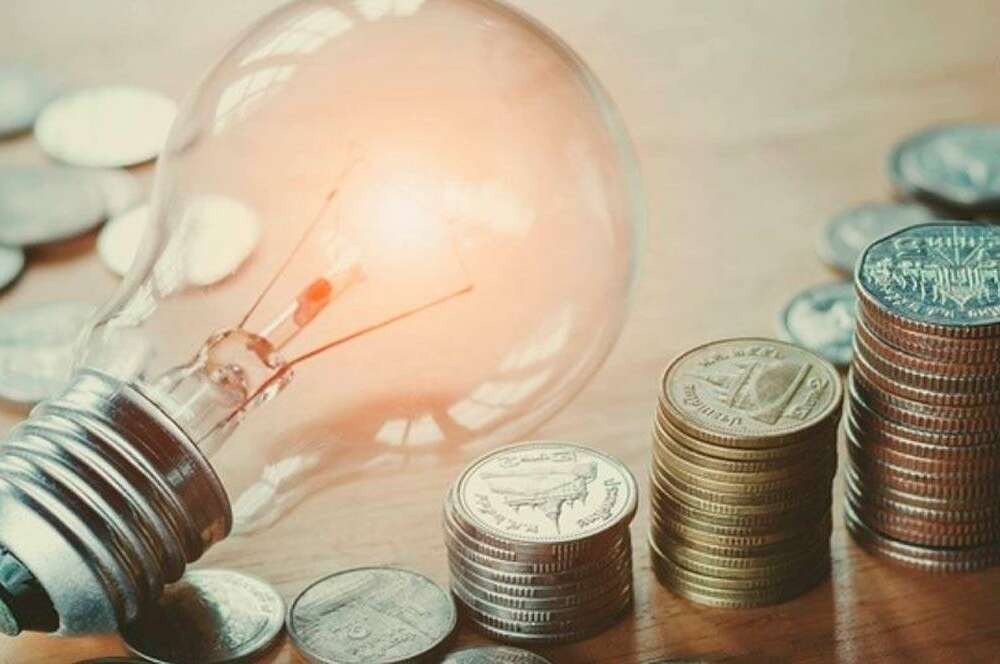
Let's talk about something electrifying...literally! We're diving into the wild world of electricity bills in the good ol' US of A. How much are folks actually paying to keep their lights on, their fridges humming, and their Netflix streaming? It's a question that sparks a lot of curiosity, and frankly, sometimes a bit of panic when that bill arrives in the mail (or, more likely, pops up in your inbox).
First things first, there's no one-size-fits-all answer. Think of it like asking how much a car costs. Are you talking a beat-up jalopy or a shiny new sports car? A compact efficiency machine or a gas-guzzling SUV? Electricity bills are the same; they depend on a bunch of factors. We're talking location, location, location. Then we factor in the size of your home, your energy habits, and even the weather.
Imagine you're in sunny Arizona, blasting the AC 24/7 during a scorching summer. You're probably going to be paying a lot more than someone nestled in a cozy cabin in Maine who only uses electricity for lights and the occasional cup of hot cocoa. Location is everything!
Must Read
The State-by-State Shock
Speaking of location, did you know that electricity prices vary wildly from state to state? Some states, like Hawaii (surprise, surprise – island life is expensive!), consistently have the highest rates. Others, like Washington State with its abundant hydroelectric power, often boast some of the lowest. It's enough to make you consider packing your bags and moving just to save a few bucks on your electric bill! Picture yourself saying, "Honey, we're moving to Washington! Think of all the money we'll save on electricity! We can finally afford that giant inflatable swan for the pool!" Well, maybe not that dramatic, but you get the idea.
Then you have states like California. Oh, California, where sunshine is abundant but affordable electricity...not so much. The cost of living in the Golden State is notoriously high, and electricity prices are no exception. But hey, at least you can power your electric car with that expensive electricity, right?

Watt's Up With Your Habits?
Beyond location, your personal habits play a massive role. Are you the type to leave lights on in every room, even when you're not in them? Do you crank up the thermostat in the winter and the AC in the summer without a second thought? Or are you a meticulous energy saver, unplugging appliances when not in use and embracing natural light whenever possible?
Think about it: A family who keeps their thermostat set to a balmy 78 degrees in the summer is going to see a much higher bill than a family who embraces ceiling fans and window breezes. It's simple math (and a little bit of physics thrown in for good measure!). And don't even get me started on those energy-hogging appliances! That ancient refrigerator in the garage, still kicking but sucking down electricity like a thirsty camel, could be costing you a fortune. Consider upgrading to energy-efficient models; your wallet (and the planet) will thank you.

The Great American Average (Kind Of)
So, after all this talk about variables, can we at least get a ballpark figure? Fine, but remember, this is just an average. According to the latest data, the average monthly electricity bill in the United States hovers somewhere around $130 to $150. But, again, that's a broad average. Your mileage may vary... greatly.
Consider this: A small apartment dweller in a mild climate might pay as little as $50 a month. A large family in a sprawling suburban home in a hot climate could easily rack up a bill of $300 or more. It's all relative!
"The key is understanding your own energy consumption patterns," says energy expert Susan Brightly. "Track your usage, identify areas where you can cut back, and take advantage of energy-saving programs offered by your utility company."

Lighten Your Load, Lighten Your Bill
The good news is, there are plenty of things you can do to lower your electricity bill. Simple steps like switching to LED bulbs, unplugging electronics when not in use, and using energy-efficient appliances can make a noticeable difference. You can also consider investing in smart home technology, like a smart thermostat, which can automatically adjust the temperature based on your schedule and preferences.
So, next time you get that electric bill, don't just throw your hands up in despair. Take a closer look, analyze your usage, and make a few simple changes. You might be surprised at how much you can save. And who knows, maybe you'll even have enough money left over for that giant inflatable swan after all!
