
Cuando Termina La Temporada De Huracanes En Florida
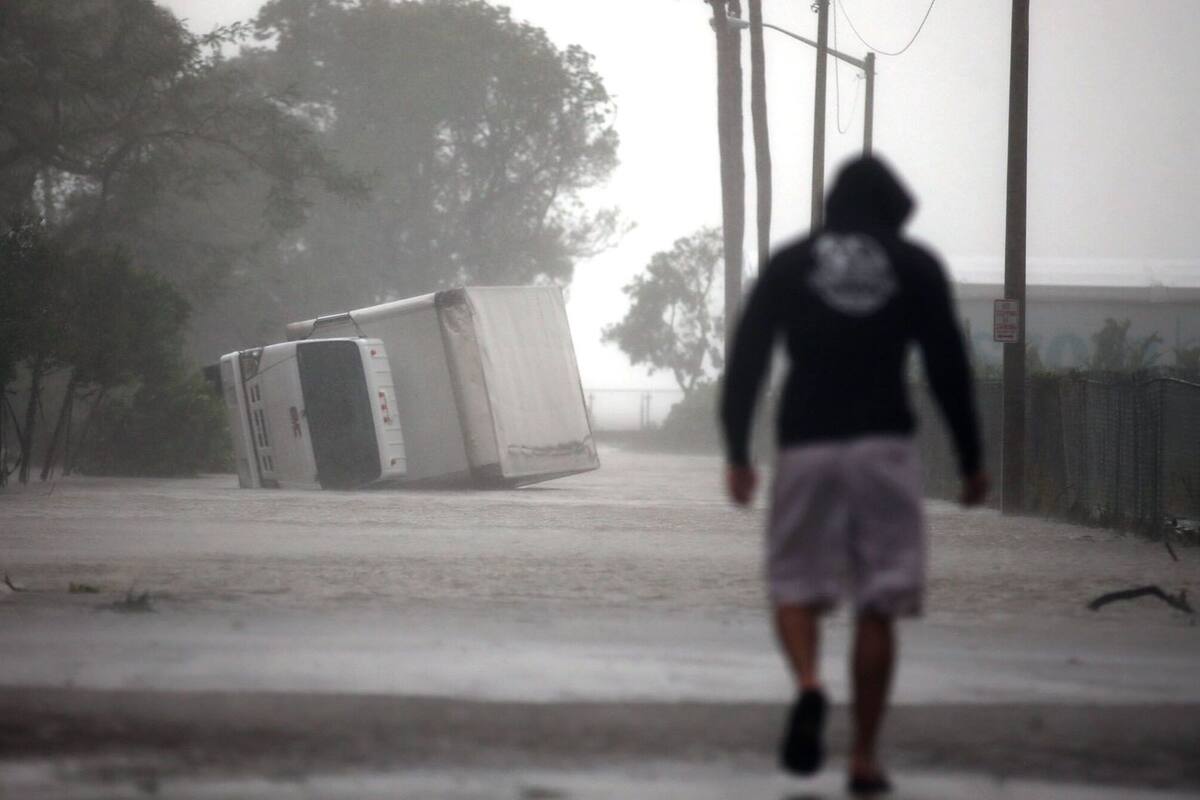
Ever felt that Florida air get a little less tense in the fall? Maybe you're breathing easier knowing that the peak of hurricane season has passed. Understanding when the Florida hurricane season ends isn’t just about meteorology; it's about peace of mind, financial planning, and knowing when it's safer to book that beach vacation! It's relevant for anyone living in or visiting the Sunshine State, or even for those who simply like to keep an eye on global weather patterns. It’s a little like knowing when the leaves change – a comforting rhythm of nature.
So, what's the point of knowing when hurricane season wraps up? Well, the primary benefit is simple: increased safety and reduced risk. Knowing the season's end allows residents to relax a little and stop actively monitoring every tropical disturbance. It also helps businesses and individuals plan. For example, a construction company might schedule outdoor projects for the late fall and winter months, knowing the likelihood of hurricane-related delays is significantly lower. Insurance companies use this information to adjust rates, and knowing the seasonal timeframe helps homeowners prepare for potential future expenses. Think of it as a collective sigh of relief, a community recalibration after a period of heightened alert.
The official hurricane season runs from June 1st to November 30th. However, the vast majority of storms occur between mid-August and late October. This makes November 30th the official end date and the point when preparations can ease. While a hurricane can technically form outside of these dates, it's significantly less likely. The warm ocean waters that fuel these storms tend to cool down as winter approaches, weakening the conditions necessary for hurricane development. This decrease in water temperature is a key factor in the season's conclusion.
Must Read
In education, this information is perfect for science classes discussing weather patterns and climate. Students can analyze historical data to see how many storms occurred each month and create charts to visualize the peak season. It provides a real-world application of scientific principles like heat transfer and atmospheric pressure. In daily life, knowing the end date helps with everything from planning outdoor events to making informed decisions about home repairs. Considering buying a home in Florida? Understanding hurricane season – and its end – is a crucial part of your due diligence.
Want to explore this further? A simple start is checking the National Hurricane Center website. They provide up-to-date information on tropical weather and historical data. Many news outlets offer hurricane tracking apps, which often include statistics on hurricane activity throughout the year. You could even compare historical hurricane data from different years to see if there are any noticeable trends. Finally, just paying attention to local news reports throughout the year can give you a better sense of how hurricane season impacts your community. The more you observe and engage, the better you'll understand this important aspect of Florida life. And, of course, remembering that November 30th marks a significant shift toward calmer weather is a simple yet effective way to feel a bit more at ease.


