
Crime Rate In Raleigh North Carolina

Hey there, fellow urban adventurers! Ever wondered what makes a city tick, beyond its delicious brunch spots and scenic trails? We often hear buzz about a city's growth, its vibrant culture, or its booming job market. But what about something a little more... grounded? Something like, say, the crime rate?
Now, before you picture flashing sirens and dramatic movie chases, let's take a chill pill. We're not here to fear-monger or dig up scary stories. Quite the opposite! We're here to approach Raleigh, North Carolina's crime rate with the same curiosity you'd have for a new coffee shop menu or an intriguing street art mural. It's about understanding a city's full personality, not just its highlight reel.
Raleigh's Buzz: More Than Just Tech and Tacos
If you've spent any time in Raleigh, you know it's a city on the move. It's like that super-smart, friendly kid who's also an athlete and a talented artist. The capital of North Carolina is bursting with innovation, lush green spaces, incredible food, and a vibe that's somehow both laid-back and buzzing with energy. It’s got that Research Triangle Park brainpower mixed with a healthy dose of Southern charm.
Must Read
With so many folks flocking here – for jobs, for schools, for the sheer joy of it – it's natural to wonder, "Is this growth impacting everything, including how safe it feels?" Does a city that’s constantly expanding and evolving also see changes in its safety profile? It’s a bit like watching a small town grow into a bustling city overnight; you expect some growing pains, right? But what kind?
Cracking the Code: What Even Is a "Crime Rate"?
Okay, let's demystify things for a sec. When we talk about "crime rates," we're usually looking at numbers calculated per 100,000 people. This helps us compare cities of different sizes. It's like comparing how many scoops of ice cream are eaten per person, not just who eats the most total scoops. A bigger city will have more crimes just because it has more people, but its rate might still be lower than a smaller city.
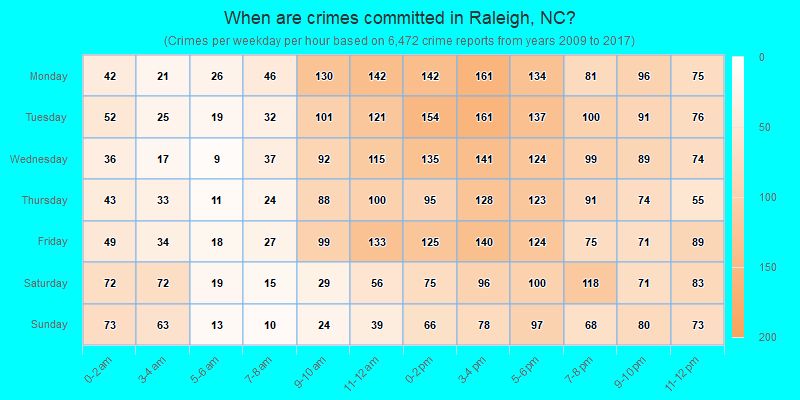
So, when you see a statistic, remember it's a snapshot, a numerical fingerprint of a community. It's not a crystal ball, and it definitely doesn't tell the whole story. Think of it as a weather report: useful info, but it doesn't describe the beauty of the sunrise or the fun of jumping in puddles after a storm. It’s just one piece of the puzzle!
The Nitty-Gritty: Property vs. People
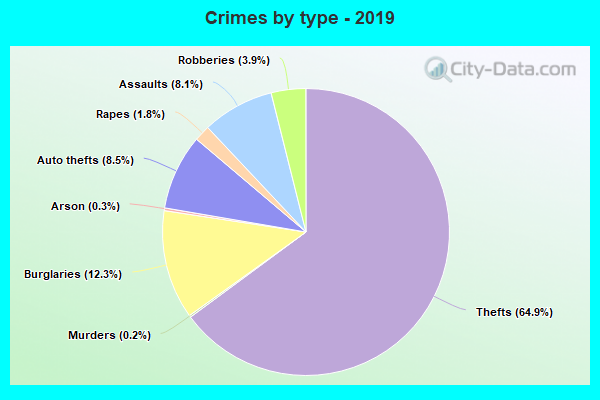
When you peek at Raleigh's crime stats, you'll often see a distinction between two main types: property crime and violent crime. And guess what? Like most growing cities, Raleigh tends to see higher numbers in property crime. We're talking things like theft, car break-ins, or shoplifting. It's annoying, sure, but it’s a different beast than violent crime.
Why might property crime tick up in a booming place? Well, more people often means more stuff, more cars, more businesses – and unfortunately, more opportunities for sticky fingers. It's not usually about direct danger to you, but more about protecting your belongings. Think of it like a busy farmer's market: there's a lot of wonderful produce (your stuff!), and sometimes, someone might try to swipe an apple if you're not looking. It's generally not about a rogue squirrel stealing a nut, but perhaps a bit more... opportunistic.
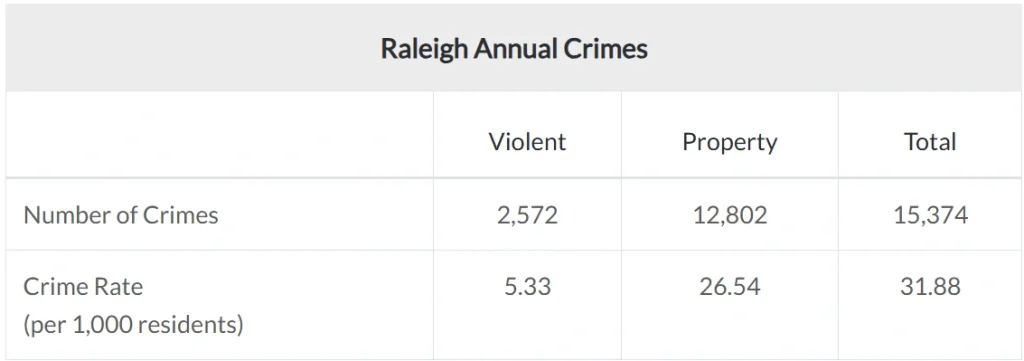
Violent crime, on the other hand, involves offenses against people: assault, robbery, homicide. This is the stuff that truly impacts how safe a city feels. And here's where Raleigh often shines: compared to many larger metro areas, its rates for violent crime tend to be lower. It’s not Gotham City, right? You're generally more likely to have your bike stolen than encounter a supervillain. And isn't that a relief?
Context Is Everything, Right?
Let's talk neighborhoods! Raleigh, like any city, isn't a monolith. The crime rate for the entire city is an average. Some areas are incredibly quiet and low-crime, while others, perhaps older or more economically challenged neighborhoods, might see higher numbers. It's like assuming every street in a forest has the same amount of shade. Some spots are sun-drenched, others are deep in the shadows.
The key is understanding that your personal experience of safety will depend heavily on where you live, work, and play within the city. Checking out local news or community forums (with a healthy dose of skepticism, of course!) can give you a more granular feel than just looking at city-wide numbers.
So, What's the Vibe Check on Safety?
Generally speaking, Raleigh is still very much considered a safe and livable city. People move here in droves precisely because of its high quality of life, and safety is a big part of that equation. You can walk around downtown at night, enjoy the Greenway trails, and let your kids play in the many parks without constantly looking over your shoulder.
Of course, like any urban environment, it pays to be aware. Lock your doors, don't leave valuables in plain sight in your car, and be mindful of your surroundings, especially late at night. These are just good practices no matter where you are, from a sleepy suburb to a bustling metropolis.
Being Smart, Not Scared
Thinking about Raleigh's crime rate isn't about fostering fear; it's about fostering awareness. It's about understanding the nuances of a dynamic, growing city. It helps us appreciate the efforts of local law enforcement and community groups who are working to keep Raleigh a wonderful place to live.
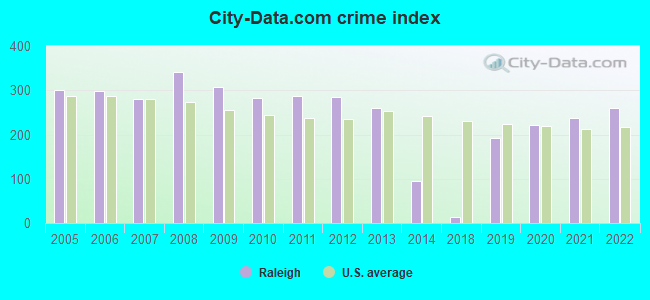
The city is constantly evolving, addressing challenges, and striving to maintain its reputation as a desirable destination. It's a continuous conversation between growth, community, and safety.
The Big Picture: Raleigh Keeps Shining
So, next time you're enjoying a delicious meal in downtown Raleigh, strolling through the museum district, or cheering on a local sports team, remember that understanding its crime rate is just another fascinating layer to this amazing city. It adds depth to our appreciation, reminding us that every place has its complexities, its challenges, and its triumphs.
Raleigh isn't just about the numbers; it's about the people, the community spirit, and the undeniable charm that keeps everyone coming back for more. And that, dear reader, is a story far richer than any statistic alone could tell. Stay curious!