
Cost To Run Central Ac Per Hour
Hey there, cool cat! Ever find yourself squinting at your electricity bill, wondering how much of it is thanks to your trusty central AC? You're not alone! It's a question as old as air conditioning itself: "What's the damage, per hour?" Well, grab a frosty beverage, because we're about to dive into the delightful (and slightly elusive) world of AC costs, all while keeping it light and breezy.
Think of this as a casual chat with a friend, where we unravel the mystery without getting bogged down in too much jargon. No pop quizzes, promise!
The Big "It Depends" (Sorry, Not Sorry!)
Alright, let's get this out of the way upfront: there's no single, universal answer to how much your central AC costs per hour. It's like asking "How much does a car cost per mile?" – a lot depends on which car, where you drive it, and how heavy your foot is. Your AC is no different!
Must Read
But don't despair! We can totally break down the ingredients that go into that hourly cost. Once you know these, you'll be able to ballpark it like a pro.
The Main Characters in Your AC Cost Story:
So, what exactly nudges that hourly cost up or down? Let's meet the usual suspects:
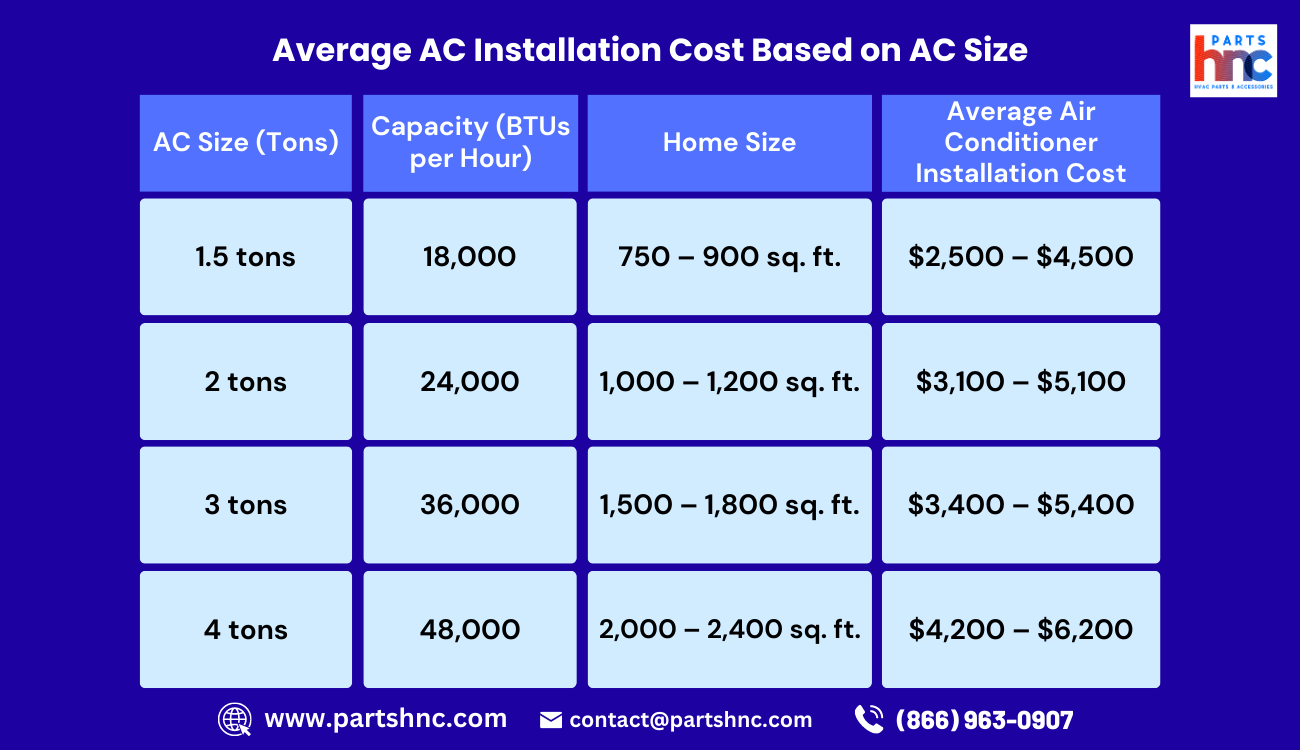
1. Your AC Unit's Size (BTUs): This is probably the biggest factor. A bigger house (or a house with poorer insulation) needs a bigger AC unit to cool it down. And what do bigger units do? You guessed it – they use more electricity! So, if you're cooling a mansion vs. a cozy apartment, your costs will vary wildly. (Unless you're trying to cool a single fancy sock in a mansion, in which case, well done!)
2. The SEER Rating: This fancy acronym stands for Seasonal Energy Efficiency Ratio. Think of it as your AC's MPG (miles per gallon). A higher SEER rating means your unit is more efficient, using less electricity to achieve the same cooling. An old, 10-SEER unit will be a lot thirstier than a spanking new 20-SEER model. Investing in a higher SEER unit might hurt a little upfront, but your wallet will thank you later!
3. Your Electricity Rates: This is a biggie! The price of electricity (measured in kilowatt-hours, or kWh) varies wildly depending on where you live and even the time of day. Your local utility company sets these rates, and they can range anywhere from, say, 10 cents to 30 cents per kWh or even more. Check your electricity bill; it's usually listed there! No two states (or even neighborhoods) are exactly alike.
4. How Low You Go (Thermostat Setting): This one's on you, friend! Every degree you lower your thermostat can increase your energy consumption by a significant percentage. Cranking it down to "arctic tundra" levels means your AC works harder and runs longer. Are you really walking around in a sweater in July? 😉
5. Insulation and Windows: Your home's ability to keep the cool air in (and the hot air out!) is crucial. Great insulation and energy-efficient windows mean your AC doesn't have to work as hard. Think of it like trying to fill a leaky bucket – if your house is full of drafts, your AC is just constantly battling the outside heat, and that costs money.
6. Maintenance, My Dear Watson: A well-maintained AC unit runs more efficiently. Clogged filters, dirty coils, or low refrigerant levels make your unit huff and puff, using more energy to get the job done. A little TLC goes a long way!

Want a Rough Estimate? Here's How (Sort Of)!
Okay, ready for some super-simplified math? You can get a general idea if you have two pieces of info:
- Your AC unit's wattage (often found on a sticker on the outdoor unit or in the manual).
- Your current electricity rate (from your bill, in cents per kWh).
Here’s the quick formula: (Watts / 1000) * kWh Rate = Cost Per Hour
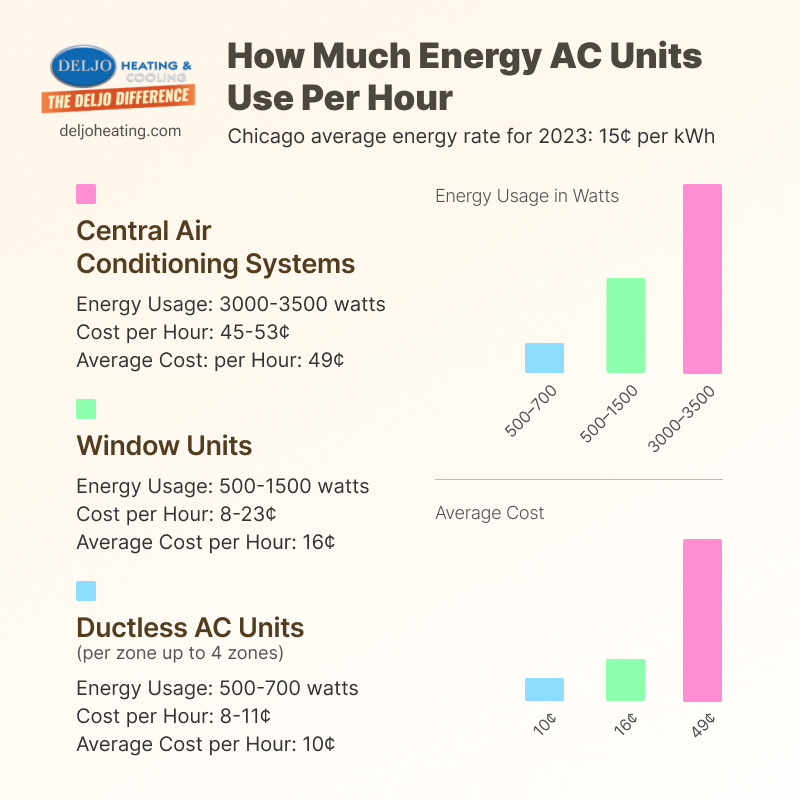
For example, if your AC uses 3500 watts (which is 3.5 kW) and your electricity rate is $0.15 per kWh, it would be: 3.5 kW * $0.15/kWh = $0.525 per hour. So, about 53 cents an hour when it's actively running. Keep in mind, your AC cycles on and off, so it won't be running 60 minutes out of every hour.

Tips to Keep Those Pennies in Your Piggy Bank:
Don't want your AC to eat your entire summer budget? Here are some friendly tips:
- Smart Thermostat: Invest in one! They learn your habits and save you money automatically.
- Set it Higher: Aim for 75-78°F when you're home, and even higher (or off) when you're away.
- Filter Fun: Change your air filter regularly! It’s like giving your AC a fresh pair of lungs.
- Shade It: Close blinds and curtains during the hottest parts of the day. Every bit helps!
- Fans are Your Friends: Ceiling fans can make a room feel several degrees cooler without actually lowering the temperature (or using much power).
- Seal Those Leaks: Weatherstrip doors and windows. Don't let your cool air escape like a sneaky ninja!
Stay Cool, Stay Happy!
While the exact cost per hour might feel like trying to catch a greased watermelon, understanding the factors gives you the power to influence your bill. So, take a deep breath, crank up the fan a notch, and know that you're now armed with the knowledge to keep your home comfy without giving your wallet a heatstroke.
Summer is for enjoying, not stressing about kWh! Go forth, be cool, and smile!