
Cost To Install Home Ev Charger

So, you’ve done it. You’ve brought home that shiny new electric vehicle, and the driveway suddenly feels a lot more futuristic. The quiet hum, the instant torque – it’s a game-changer! You’re picturing those glorious mornings, waking up to a full "tank", no more gas station detours. Pure bliss, right?
Then reality taps you on the shoulder. Not with a rude shove, but more like a gentle, slightly mischievous poke. You realize that while your new electric steed is ready to roll, its charging needs are a bit more... shall we say, involved than just plugging into a wall socket like your phone. Welcome to the wonderful world of home EV charger installation costs, where things are rarely as simple as they seem, but always worth it in the end!
The Charger Itself: Not All Watts Are Equal
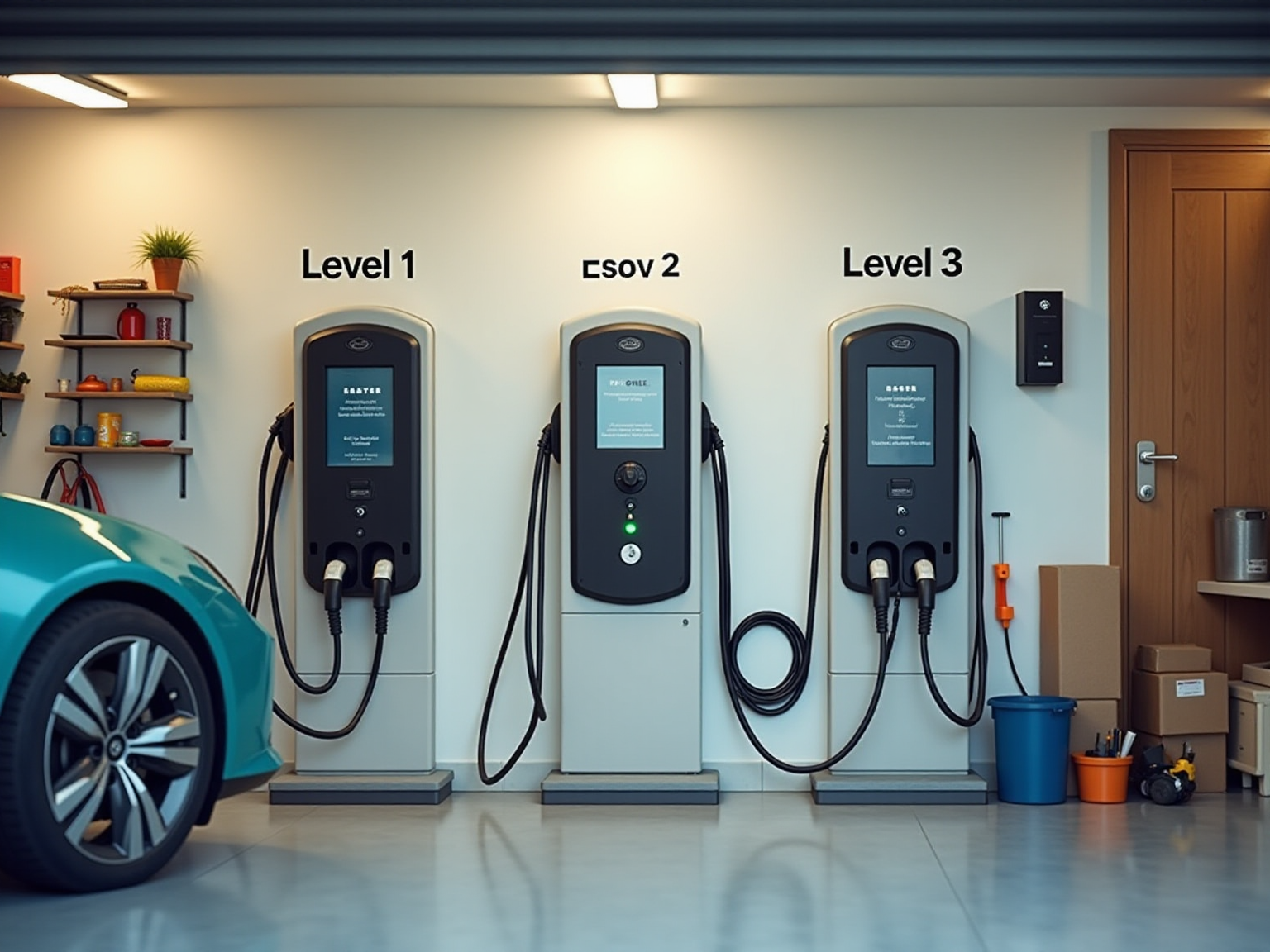
First up, you need the actual charger, often called an EVSE (Electric Vehicle Supply Equipment) or, more commonly, a Level 2 charger. This is your personal gas station, but for electrons. Prices for these bad boys can swing widely, usually between $300 and $1,000+. Think of it like buying a new coffee maker. Do you want the basic drip machine that gets the job done (a decent charger), or do you want the fancy espresso maker with all the smart features, Wi-Fi connectivity, and app control that tells you exactly how much "fuel" your car has consumed (a premium smart charger)?
Must Read
Many folks opt for the smarter, faster chargers. Why? Because who wants to wait around all day for their car to charge? It’s like watching paint dry, but with more electricity. A good Level 2 charger often cuts charging time by 75% compared to a standard wall outlet. That's a lot of Netflix binging you could be doing instead!
Your Home’s Electrical Panel: The Unsung Hero (or Villain)
This is where things can get a little… spicy. Your home's electrical panel is like its central nervous system, distributing power everywhere. For a Level 2 charger, you usually need a dedicated 240-volt circuit, similar to what your electric dryer or oven uses. Now, if your panel is relatively new and has some spare capacity, you might be golden. High five!
But if your house is a bit older, or your panel is already maxed out from powering every gadget known to humanity (we've all been there with the toaster, microwave, and hairdryer running simultaneously!), you might need a panel upgrade. This can add a significant chunk to the cost, sometimes anywhere from $1,000 to $4,000 or more. It’s like trying to put a super-fast highway through a tiny country lane – sometimes you just need to expand the road!
Wiring Wonders (or Woes): Distance Matters
Imagine you want to set up your amazing new outdoor grill. If it’s right next to the kitchen, easy-peasy. If you want it on that perfect, secluded patio at the back of your half-acre yard, well, you’re going to need a lot more gas line (or, in this case, electrical wire). The same goes for your EV charger. The further your charger is from your electrical panel, the more wire is needed, and the more labor is involved to run that wire safely and discreetly.
Running wires through walls, attics, or underground conduits isn't cheap. Copper isn’t exactly pennies these days, and electricians charge for their expertise and time. That dream spot under the carport might be lovely, but if it’s on the opposite side of your house from the panel, prepare for a bit more investment. Sometimes, moving your charger a few feet can save you hundreds, so it's worth discussing placement options with your electrician!
![[2025] What is the cost to install Tesla charger at Home? [Detailed](https://evchargersguide.com/wp-content/uploads/2023/12/how-much-does-it-cost-to-install-tesla-home-charger.jpg)
The Pro’s Touch: Electrician Labor Costs
Unless you're a certified electrician yourself (in which case, bravo!), this is not a DIY project. Messing with high-voltage electricity is a recipe for disaster, not a weekend warrior triumph. You'll need a licensed, reputable electrician, and their time and skills come at a price. Labor costs vary widely based on your location and the complexity of the job. Generally, expect to pay anywhere from $500 to $2,000+ for the installation labor alone.
Think of it as hiring a professional chef to cook a gourmet meal versus trying to whip up something fancy yourself. Sure, you could try, but the pros deliver a much safer, more delicious (and in this case, functional) result. Peace of mind is priceless, especially when it comes to your home's electrical safety.

Permits & Inspections: The Red Tape Tango
Ah, permits. The necessary evil of home improvements. Most municipalities require a permit for EV charger installations, especially when new circuits are being added or panels upgraded. This ensures the work is done to code and meets safety standards. The cost for permits is usually fairly modest, perhaps $50 to $200, but it’s an unavoidable step. It’s like getting a passport for your new charger – a bit of paperwork, a small fee, and then you’re good to go!
So, What’s the Damage, Roughly?
Pulling it all together, a standard home EV charger installation can range from $800 to $2,500. However, if you need a major electrical panel upgrade or have a particularly tricky wiring job, that cost can easily climb to $3,000, $4,000, or even more. It’s a wide range, like trying to guess the price of a car without knowing if it's a hatchback or a luxury SUV.
The golden rule? Get multiple quotes! Three is usually the magic number. Don't just go with the cheapest option; look for a reputable electrician with good reviews who clearly explains the scope of work.
Saving a Buck: Your Secret Weapon
Before you clutch your pearls, here’s the good news: there are often some fantastic incentives available! The federal government offers a tax credit for home charging equipment and installation costs. Many states, local utility companies, and even car manufacturers also offer rebates or incentives. These can significantly offset your installation costs, sometimes knocking off hundreds or even a thousand dollars!
Do your homework and check out the rebates in your area. It’s like finding a twenty-dollar bill in an old jacket pocket – a delightful surprise that makes the whole process feel a little sweeter. Don't leave free money on the table!
Ultimately, while the initial cost might make your eyebrows do a little dance, installing a home EV charger is an investment in convenience, time-saving, and future-proofing your home. No more detours, no more range anxiety, just plug in, relax, and wake up ready to roll. That, my friends, is a priceless feeling worth every penny!