Cost To Install Ev Charging Station At Home

The electric car revolution is humming along, and just like smartphones need charging, so do these sleek, silent vehicles. But gone are the days of solely relying on public charging stations. More and more people are opting for the ultimate convenience: installing an EV charging station right at home. Think of it as your own personal gas station, except powered by sunshine (if you have solar panels, that is!) and saving you trips to the pump. But what does it really cost to get one of these installed?
Beyond the sheer convenience, a home EV charger opens up a world of possibilities, especially for creatives and learners. Imagine you're an artist who finds inspiration on long drives. With a fully charged EV ready to go each morning, you can spontaneously chase that perfect sunset to paint, or explore hidden landscapes for your next photography project. No range anxiety, just pure creative freedom! Hobbyists, too, can benefit. Think of the weekend woodworker who needs to pop over to the hardware store for supplies. A charged EV makes those errands a breeze, allowing more time for actually working on that amazing project.
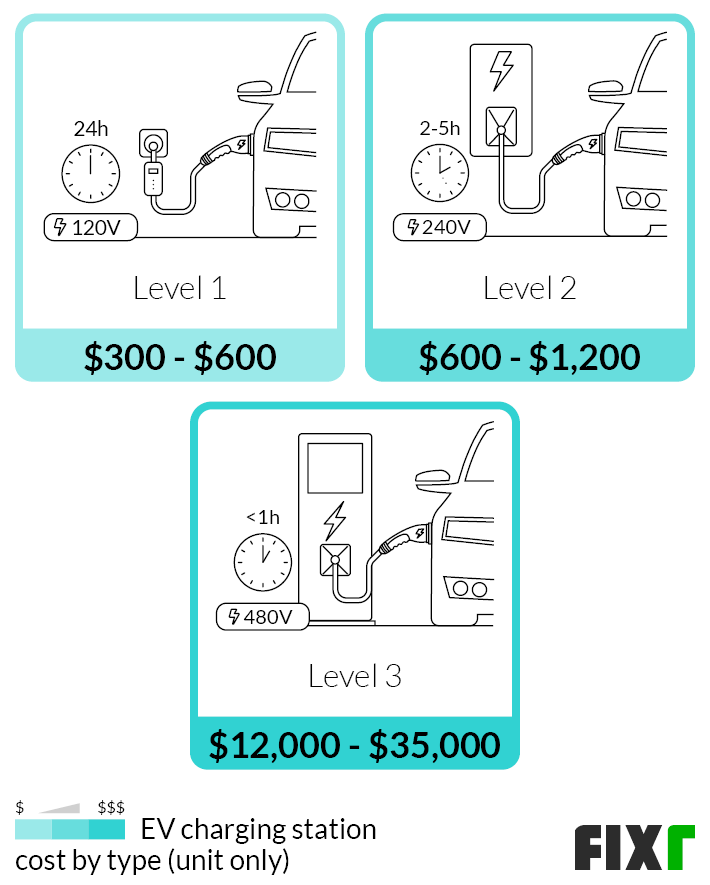
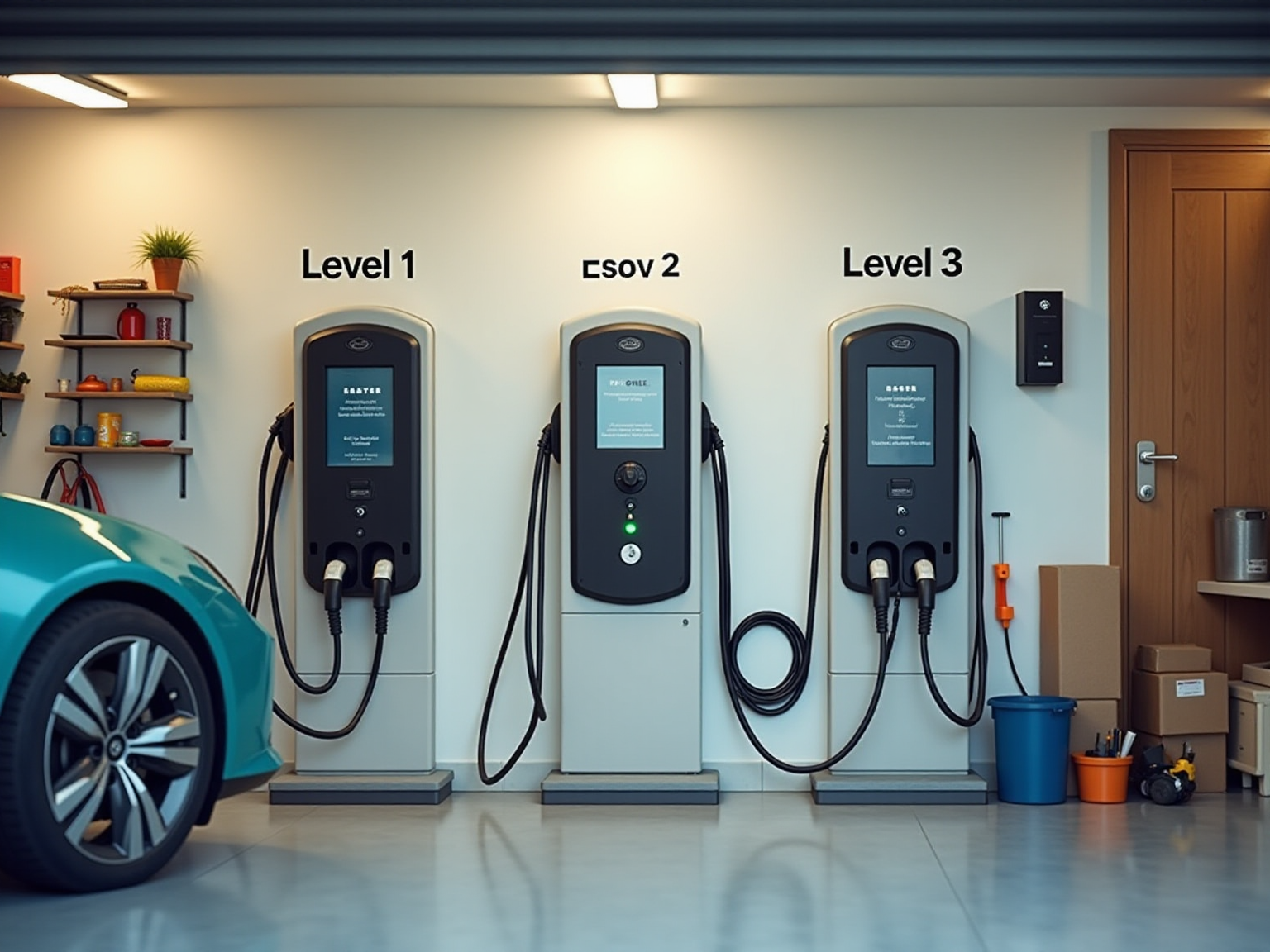
The costs can vary, and it's important to understand the factors involved. First, there's the charger itself. These range from basic Level 1 chargers (which come standard with most EVs and plug into a regular outlet) to the much faster Level 2 chargers. Level 2 chargers are generally what people opt for at home. Then, there's the installation. This is where things can get a little tricky, as it depends on your home's electrical system. If your electrical panel is already prepared, the installation might be relatively straightforward. However, older homes might need upgrades, adding to the overall cost.
Must Read
Let's look at some example scenarios. A simple Level 2 charger installation in a newer home with adequate electrical capacity might cost between $500 and $1,200, including the charger. However, an older home that needs a panel upgrade could see that cost jump to $2,000 or even $3,000. It's always best to get several quotes from qualified electricians. And don't forget to check for local rebates and incentives! Many areas offer financial assistance to encourage EV adoption, which can significantly reduce the out-of-pocket expense.
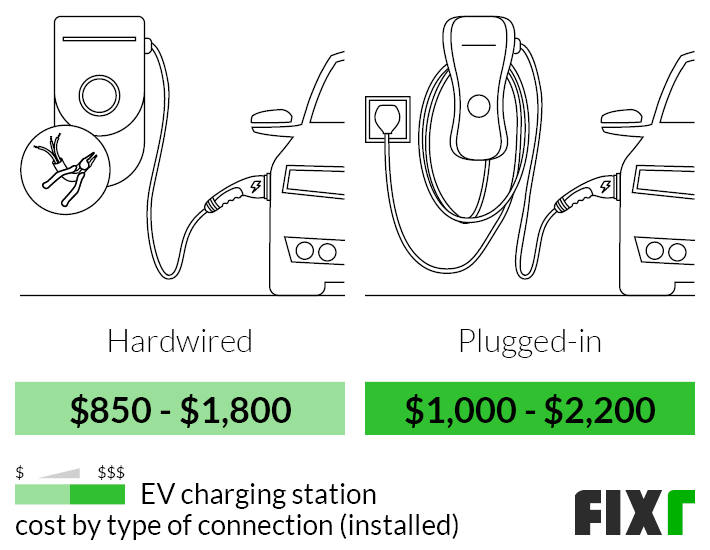
Ready to take the plunge? Here are a few tips. First, research different chargers. Consider the charging speed, smart features (like remote control and energy monitoring), and compatibility with your vehicle. Second, get multiple quotes from licensed electricians. Don't just go with the cheapest option – consider their experience and reputation. Third, investigate local rebates and incentives. A little research can save you a lot of money. Fourth, prepare your electrical panel. Ensure it has enough capacity to handle the charger's load.
Ultimately, installing a home EV charger is an investment in convenience, sustainability, and a smoother future. It's about more than just charging your car; it's about embracing a new way of life. And let's be honest, there's something incredibly satisfying about waking up to a fully charged car, ready to take you wherever your day – or your inspiration – leads you. It's a small step towards a greener world, and a big leap towards a more enjoyable driving experience. Plus, you get to ditch those dreaded gas station stops! What's not to love?