
Cost To Install 5 1 4 Baseboard

Ever walked into a room and felt that something was just... missing? That final flourish that ties everything together, like the perfect accessory to an outfit? More often than not, it's the baseboards. These unsung heroes of interior design don't just protect your walls; they offer a clean, finished line that speaks volumes about your home's style. And if you're thinking about upgrading to that popular 5 1/4 inch profile, you're in for a treat – it's a fantastic choice that strikes a beautiful balance between subtle elegance and noticeable presence. But let's get real: the first question that pops up for most of us is, "What's this going to cost me?"
Good news! While installing new baseboards involves a few moving parts, it's an investment that significantly elevates your space without necessarily breaking the bank. Let's peel back the layers and talk about the numbers, the tips, and a few fun facts along the way.
The Allure of 5 1/4 Inches: Why This Size Shines
Before we dive into dollars and cents, let's appreciate why the 5 1/4 inch baseboard is such a design darling. It’s tall enough to make a statement, adding a touch of classic grandeur often seen in older, more stately homes, but not so imposing that it overwhelms a standard 8-foot ceiling. It’s the Goldilocks size – just right for modern homes looking to add character and depth. Think of it as the perfect foundation garment for your walls!
Must Read
Crunching the Numbers: What Influences the Cost?
Alright, down to brass tacks. The cost to install 5 1/4 inch baseboards isn't a one-size-fits-all number. It’s a delightful cocktail of several factors, each playing its own role in the final bill. Generally, you're looking at costs that can range anywhere from $4 to $9 per linear foot, installed. But let's break down what contributes to that range.
1. The Material Matters, Darling
This is often the biggest variable. What your baseboards are made of directly impacts the price tag.
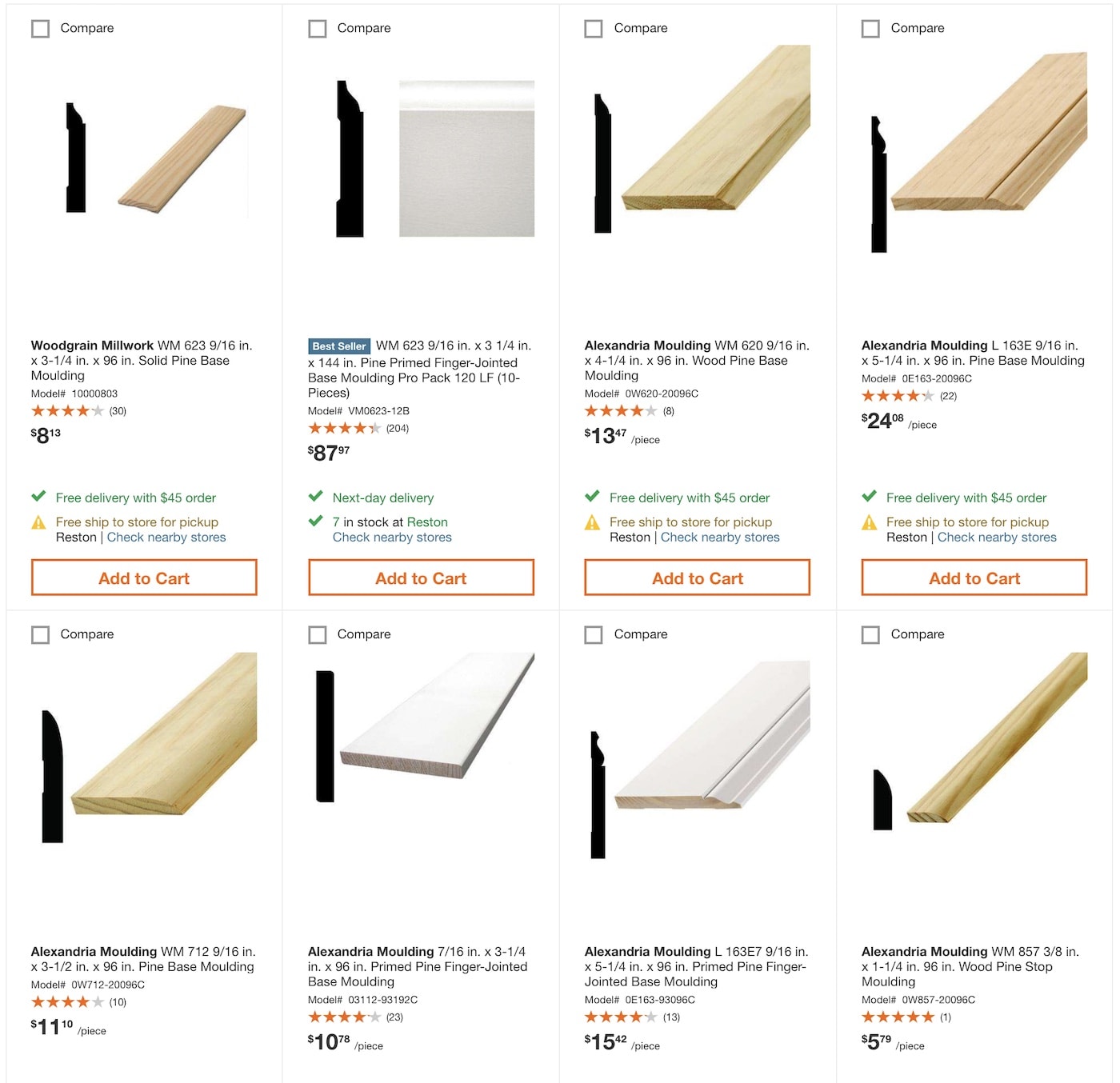
- MDF (Medium-Density Fiberboard): Your budget-friendly, highly popular choice. It's stable, pre-primed, and takes paint beautifully. Expect to pay around $0.70 to $2 per linear foot for the material itself. Fun fact: MDF is an eco-friendly option, often made from recycled wood fibers!
- Pine: A step up, offering natural wood grain if you prefer staining or a more robust feel. It's a bit more prone to dents than MDF. Material cost typically ranges from $1.50 to $3 per linear foot.
- Oak or Poplar: For a truly premium look, especially if you're staining to match other wood elements. These are durable but pricier. Prepare for $3 to $7+ per linear foot.
2. The Hands That Do the Work: Labor Costs
Unless you're a DIY ninja with a miter saw and a whole lot of patience, you'll likely hire a pro. Labor costs vary widely by region, experience, and the complexity of the job.
- Professionals typically charge anywhere from $2 to $6 per linear foot for installation.
- Some might charge an hourly rate, which can be $50 to $100 per hour.
3. The Unseen Steps: Prep and Removal
Is this a fresh install in a new build, or are you replacing old, dingy baseboards?
- Removal: If old baseboards need to go, expect to pay an extra $0.50 to $1.50 per linear foot for removal and disposal. You can easily save money here by doing this yourself, just be careful not to damage the walls!
- Wall Prep: Sometimes, walls need minor repairs after old baseboards are removed, which can add to labor time.
![How Much Does Baseboard Installation Cost? [2025 Data] | Angi](https://media.angi.com/s3fs-public/popular-baseboard-styles.png?impolicy=infographic)
4. The Finishing Touch: Painting and Caulking
Once installed, baseboards need that final layer of perfection.
- Painting: Some installers include priming and painting in their quote, others don't. Expect to pay $1 to $3 per linear foot for professional painting, or save big by doing it yourself. Many choose pre-primed MDF to make this step easier.
- Caulking: Essential for closing those tiny gaps where the baseboard meets the wall and floor, giving it a truly built-in look. This is usually part of the installation labor.
5. The Nitty-Gritty: Complexity & Room Layout
A simple rectangular room with long, straight walls will be cheaper to install than a room with lots of jogs, doorways, and tricky corners (inside and outside). Each cut, especially intricate coping cuts needed for perfect internal corners, adds time and skill to the job.
DIY or Call a Pro?
For the handy homeowner, installing baseboards can be a rewarding DIY project, especially in smaller, simpler rooms. You'll need a miter saw, a nail gun, a tape measure, and a healthy dose of patience. However, for larger areas, complex rooms, or if you simply prefer professional-level results without the hassle, hiring a skilled installer is always a smart move. They'll likely get it done faster, with flawless cuts and a smooth finish.
Bringing It All Together
Thinking about upgrading your baseboards is more than just a home improvement project; it's an investment in the feel and value of your space. That 5 1/4 inch profile is an excellent choice, offering a sophisticated edge that transforms a room from "fine" to "fabulous."
So, take a deep breath, gather your quotes, choose your materials, and get ready to enjoy the subtle yet significant impact that beautifully installed baseboards bring. It's amazing how a seemingly small detail can elevate your everyday surroundings, making your home feel more polished, more considered, and ultimately, more you. After all, isn't that what modern living is all about – finding joy and beauty in the details that surround us?
