
Cost Of Solar Power For Home

Alright, grab your favorite mug, settle in, because we need to chat about something that’s probably been buzzing around your brain: the cost of going solar for your home. You know, slapping those sleek, sun-loving panels on your roof. Is it really worth it? Will it break the bank? Or is it some kind of wallet-friendly magic? Let's dive in, no jargon, just real talk.
First Things First: The Upfront Sticker Shock (and why it's not the whole story!)
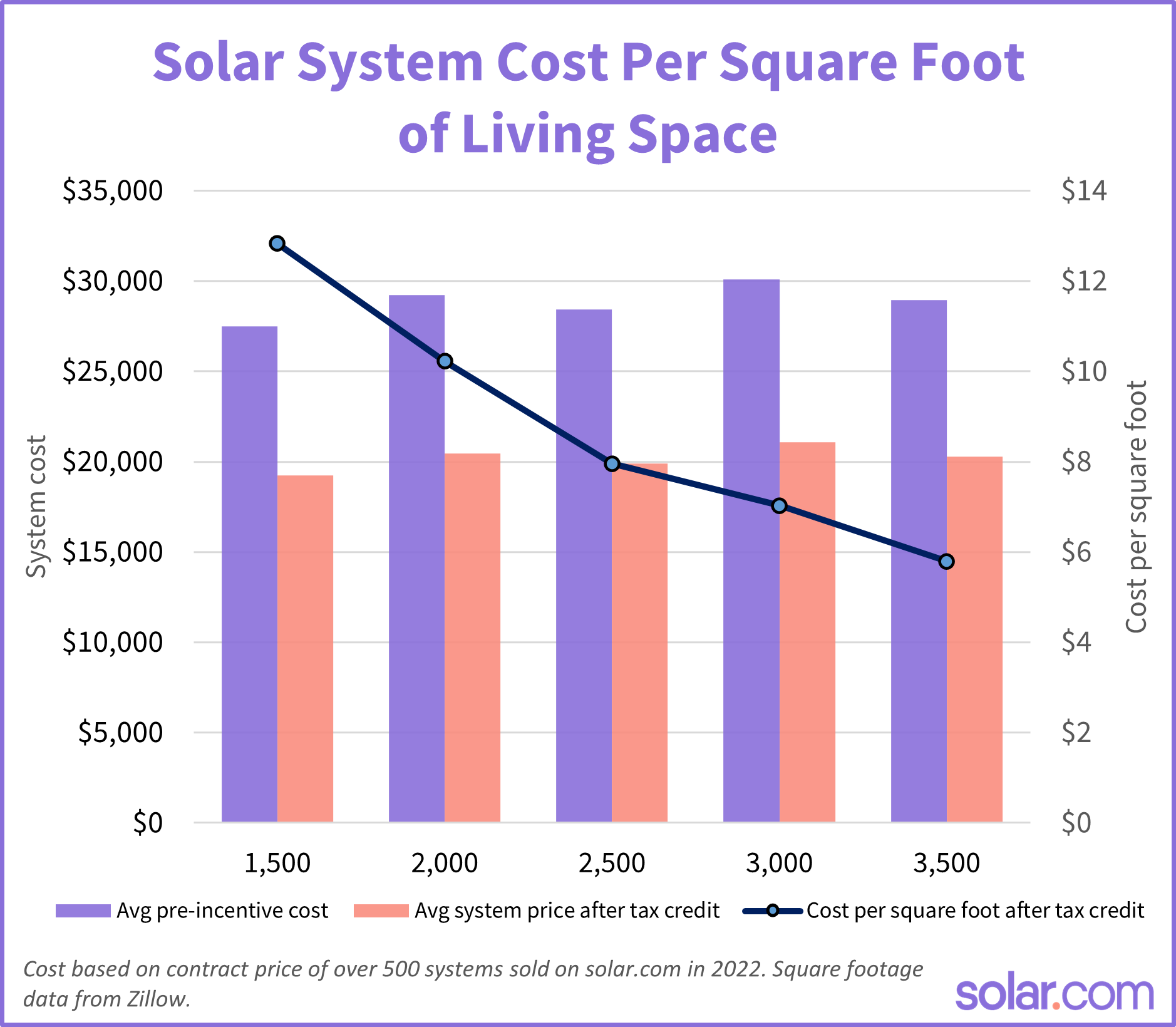
Okay, let's just get it out there. When you first look at the total price tag for a solar system, your eyeballs might just do a little cartoon pop. We're talking thousands, sometimes tens of thousands, depending on your house and energy habits. It can feel like buying a small car, right? And for a minute, you might think, "Whoa, hold up! Is this even remotely sane?"
But here's the big secret (not really a secret, but often overlooked!): that upfront cost is an investment, my friend, not just an expense. And trust me, it’s an investment that pays dividends, literally.
Must Read
The "Yay!" Part: Your Electric Bill Goes on a Diet (a serious one!)
Imagine this: your electric bill, the one that normally gives you a little mini heart attack every month, suddenly shrinks. Or even better? It practically disappears! Poof! Gone! This is where solar truly shines (pun absolutely intended). When your panels are humming along, generating their own clean power, you’re buying way less from the utility company. For many, that monthly savings alone starts to feel like practically printing money after a while.
And then there's the whole net metering thing. Ever heard of it? It’s basically where your utility company pays you for any excess electricity your panels generate that you don't use. So, on a super sunny day, your house is basically selling power back to the grid. How cool is that? You’re not just saving; you're earning (a little bit, anyway!).
Government Goodies: Hello, Tax Credits and Rebates!
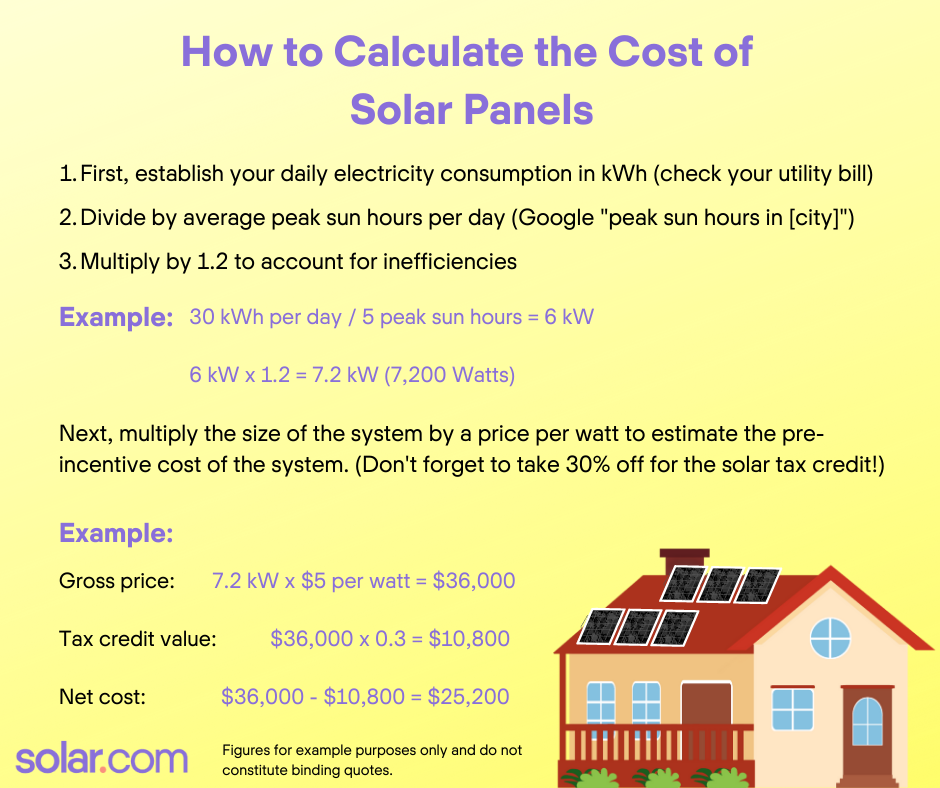
This is where things get even more interesting. Governments (both federal and sometimes state/local) are pretty keen on people going solar. Why? Because clean energy is, you know, good for everyone! So, they often offer sweet incentives. The big one for a while has been the federal solar tax credit (currently called the Residential Clean Energy Credit – definitely worth looking up!). It allows you to deduct a significant percentage of your solar system's cost from your federal taxes. That's a big chunk of change, folks!
On top of that, some states and even local municipalities might have their own rebate programs. It’s like a treasure hunt, but the treasure is saving you money! A little digging is worth it.

What Actually Goes Into That Price Tag?
So, what are you actually paying for? It’s not just the panels. You're also paying for the inverter, the mounting hardware, wiring, and the skilled folks who install it all on your roof. Plus, there are permits, inspections, and connecting everything safely to the grid. It’s a whole ecosystem working together to make that green glow happen!
Paying for It: Cash, Loans, or the Other Guys?
You have options, which is nice, right? The golden ticket is often paying cash if you can. It gives you the best return on investment over the long run because you're not paying interest. But let's be real, not everyone has that kind of liquid cash. Totally understandable.
That's where solar loans come in. Many companies offer specific financing options. Plus, home equity lines of credit (HELOCs) are another popular choice. Think of it: you're swapping one bill for another, but this new bill is building equity and paying for an asset!
Then there are leases and power purchase agreements (PPAs). These can sound appealing because there’s little to no upfront cost. But usually, you don't own the system, and your savings might be less significant compared to owning it outright. It's like renting a car versus buying one. Definitely something to weigh carefully!
The Big Question: The Payback Period!
So, when does all this start truly paying off? The "payback period" is the point where your savings from solar equal your initial investment. On average, in the US, this can range from around 6 to 12 years. But remember, the panels are typically warrantied for 20-25 years, and they often last even longer! So, you get many, many years of essentially free electricity once you've recouped your costs. That’s a long time to enjoy feeling like an energy superhero!

Beyond the Bucks: The Warm Fuzzies and Home Value!
And hey, let's not forget the feel-good factor! You're reducing your carbon footprint, contributing to a cleaner planet, and gaining a little more energy independence. That's worth something, isn't it? (Seriously, it is!)
Oh, and one more thing: studies consistently show that homes with solar panels sell faster and for a higher price. So, not only are you saving money, you're also adding value to your biggest asset. How's that for a win-win-win?
So, Is It Expensive?
In short, yes, there’s an upfront cost. But is it worth it? For most people, absolutely! With incentives, significant long-term savings, increased home value, and the immense satisfaction of generating your own power, the initial investment quickly starts looking like a brilliant move. It’s not just about spending money; it’s about investing in your future, your wallet, and our planet. Cheers to that!