
Cost Of Energy Per Kwh By Source

Ever gazed at your electricity bill and wondered, "How did they even come up with that number?" Or perhaps, "Why does it cost what it costs?" You're not alone! It's a fascinating rabbit hole, especially when you start thinking about where all that invisible juice comes from and what makes one source cheaper or pricier than another.
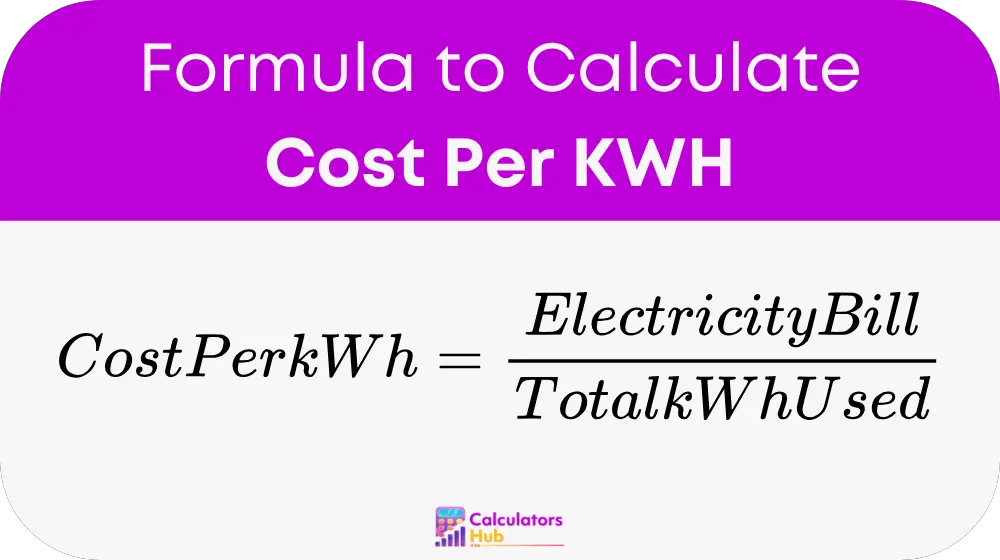
Today, we're going on a little adventure to explore the cost of energy per kilowatt-hour (kWh) by source. Think of kWh as your energy's unit of measurement – kind of like how you buy milk by the litre or gas by the gallon. It's the standard way we measure how much power your fridge sips or your laptop charges over time.
The Rising Stars: Solar and Wind
Let's kick things off with the sources that have been making some serious waves: solar and wind power. If you haven't heard, their prices have been dropping faster than a lead balloon in a vacuum! It's actually pretty wild.
Must Read
Imagine setting up a giant fan (wind turbine) or a field of dark panels (solar farm). Years ago, building these was super expensive. But thanks to brilliant minds, better tech, and economies of scale (meaning the more you make, the cheaper each one gets), the cost to generate one single kWh from sunshine or breeze has plummeted.
In many parts of the world, new solar and wind farms are now the cheapest way to add new electricity capacity. Yes, you read that right! Cheaper than building a brand new coal or gas plant. Pretty neat, huh? It's like finding out the healthiest, most sustainable option at the grocery store is also the most budget-friendly.

The Steady Giants: Hydro and Nuclear
Next up, we have the long-haul players: hydroelectric and nuclear power. These guys are the marathon runners of the energy world.
Hydroelectric power, from dams harnessing flowing water, has a really low operating cost once it's built. Think of it: the "fuel" is just river water, which is free! The biggest chunk of the cost is usually the initial construction of the dam itself, which can be monumental. But once it's up and running, those kWhs can be incredibly cheap.
Nuclear power is another interesting one. Building a nuclear plant is a seriously big, complex, and expensive undertaking. We're talking billions and many years! However, once it's operational, the cost of the uranium fuel it uses is relatively low, and it can churn out massive amounts of electricity almost non-stop for decades. So, while the upfront cost per kWh is high, its operational cost can be quite competitive, offering a reliable, carbon-free baseload power.
The Traditional Titans: Natural Gas and Coal
Then we have the sources that have powered our world for a long time: natural gas and coal. These are what we call fossil fuels. They're reliable and have historically been relatively cheap, but their costs are a bit more... lively.

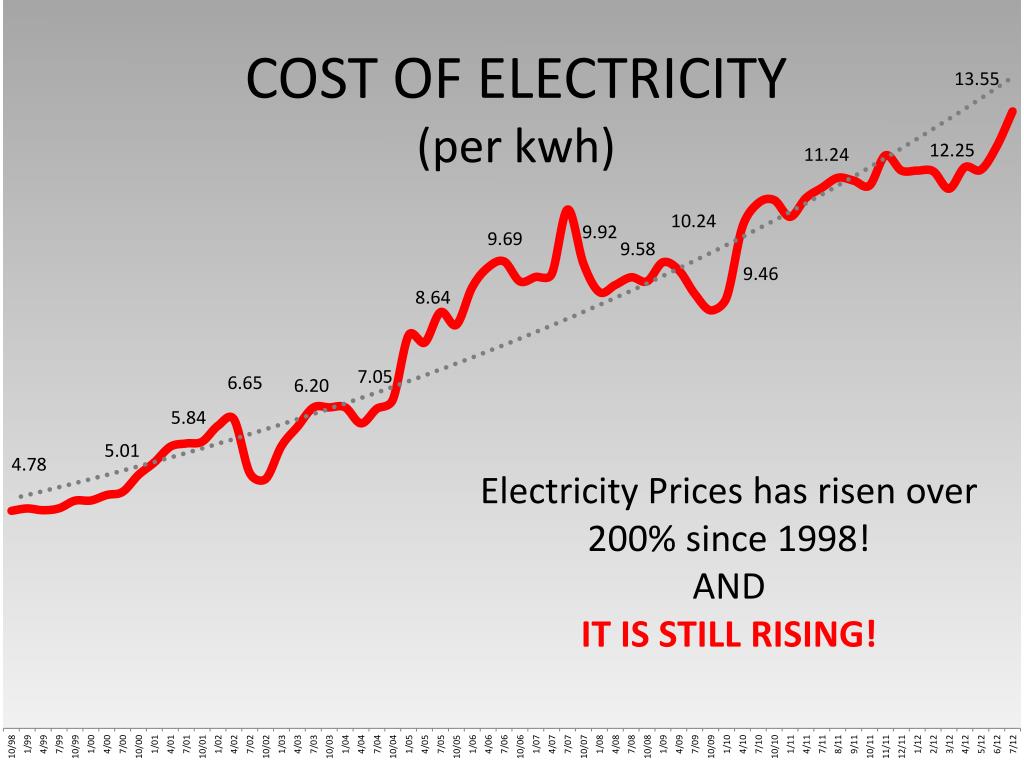
The cost per kWh from natural gas or coal depends heavily on the price of the fuel itself. Think of it like filling up your car: if gas prices go up, your cost per mile goes up. The same applies here. Geopolitical events, supply and demand, and even the weather can send gas and coal prices bouncing around, directly impacting your electricity bill.
Plus, there's another factor with these: environmental costs. While not always directly on your bill, the pollution they cause has a real cost to society, health, and our planet. Many countries are now putting a price on carbon emissions, which adds another layer to the true cost of these traditional sources.
Beyond the Price Tag: What Else Matters?
So, we've seen a range, but it's important to remember that the "cost per kWh" isn't always a simple, single number. It's a dynamic beast! Factors like:
- Location: A sunny desert will get cheaper solar than a rainy, cloudy region. Windy coasts are great for turbines.
- Technology Maturity: As technologies improve and become more widespread, they get cheaper (hello, solar!).
- Government Policies: Subsidies, taxes, and regulations can all shift the balance.
- Grid Integration: How easy is it to get the power from where it's made to where it's used?
It's like comparing the cost of a home-cooked meal versus eating out. The ingredients might be cheap, but what about the time, skill, and equipment needed? Energy is similar – there are many ingredients in that final price.
What's truly exciting is seeing how innovation continues to push boundaries, making cleaner, more sustainable energy options increasingly affordable. It's a constant evolution, and staying curious about it is half the fun!