
Cost Of Electric Vehicle Vs Gas

Alright, let's talk about the modern-day automotive showdown: the electric vehicle (EV) versus the good old gas guzzler. It’s a chat that’s buzzing louder than a bee on a caffeine rush, especially when it comes to your wallet. You're probably wondering, "Is swapping my trusty petrol pal for a sleek, silent EV really going to save me some coin?" Let’s dive into the nitty-gritty with an easy-going vibe, because frankly, life's too short for complicated financial jargon.
The Sticker Shock: Upfront Costs
Let's be real, the initial purchase price of an EV can sometimes feel like a bit of a jaw-dropper. They often come with a higher price tag than their gasoline counterparts, largely due to the cutting-edge tech and hefty battery packs involved. Think of it like buying the latest smartphone versus a dependable older model – shiny new tech often costs more upfront.
But here’s the cool part: governments and manufacturers are sweetening the deal. We're talking about federal tax credits, state incentives, and sometimes even local rebates that can significantly knock down that initial price. It's like finding a secret coupon you didn't know you had! Always check what's available in your area; it can make a huge difference.
Must Read
Fueling Up (or Plugging In): The Daily Grind
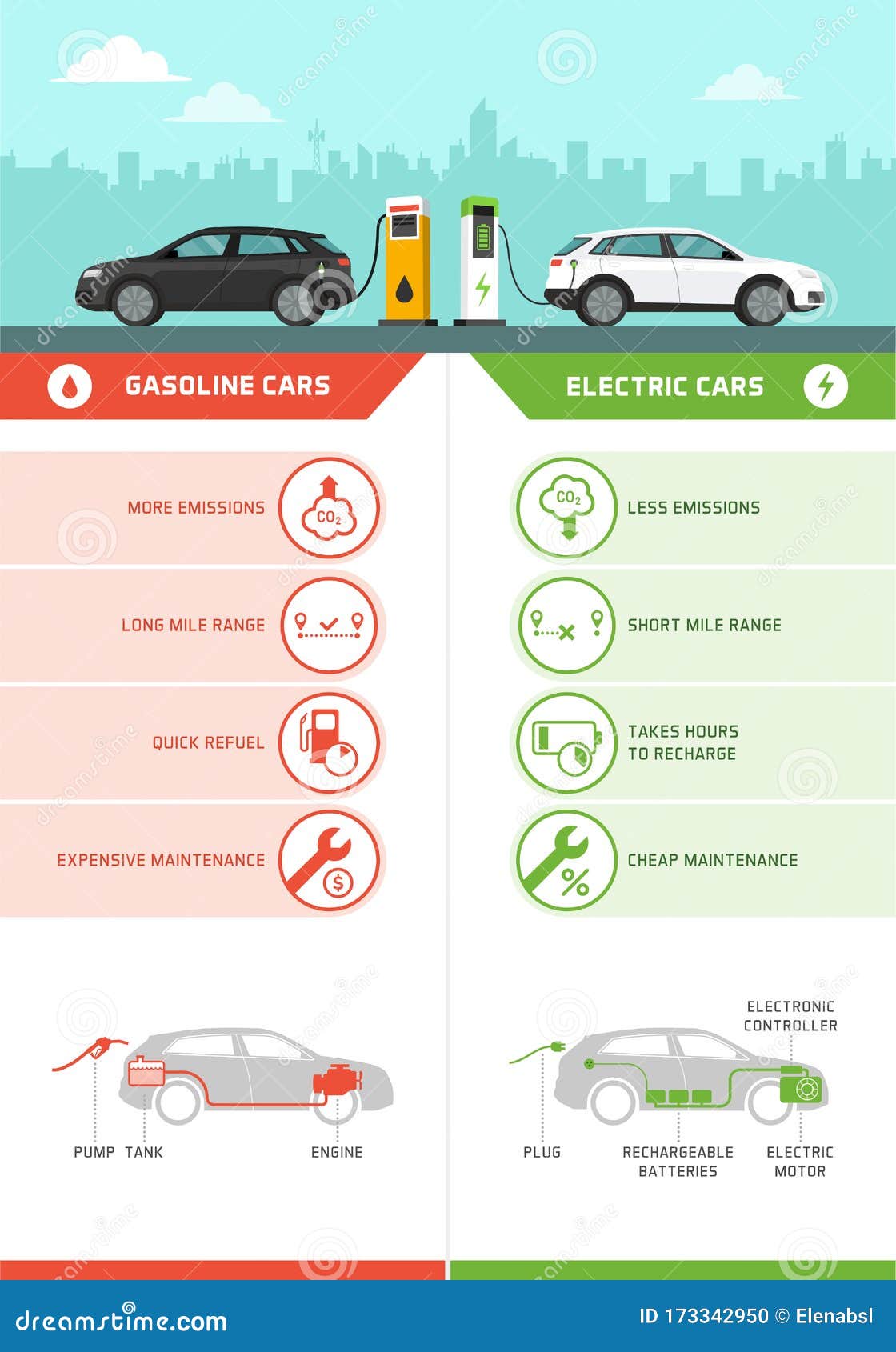
This is where the EV really starts to show off its financial muscles. Instead of "filling up" at a gas station, you're "plugging in." And for most folks, that means charging at home overnight. Imagine waking up every morning to a "full tank" without ever stepping foot outside! It's pure bliss, especially on a chilly Tuesday morning.
Gas prices are notoriously volatile – one day you're paying a reasonable amount, the next it feels like liquid gold. Electricity, while not entirely stable, tends to be far more predictable and generally cheaper per mile. Many utility companies even offer special off-peak rates for EV charging, meaning you can power up for pennies while you're catching Zs.
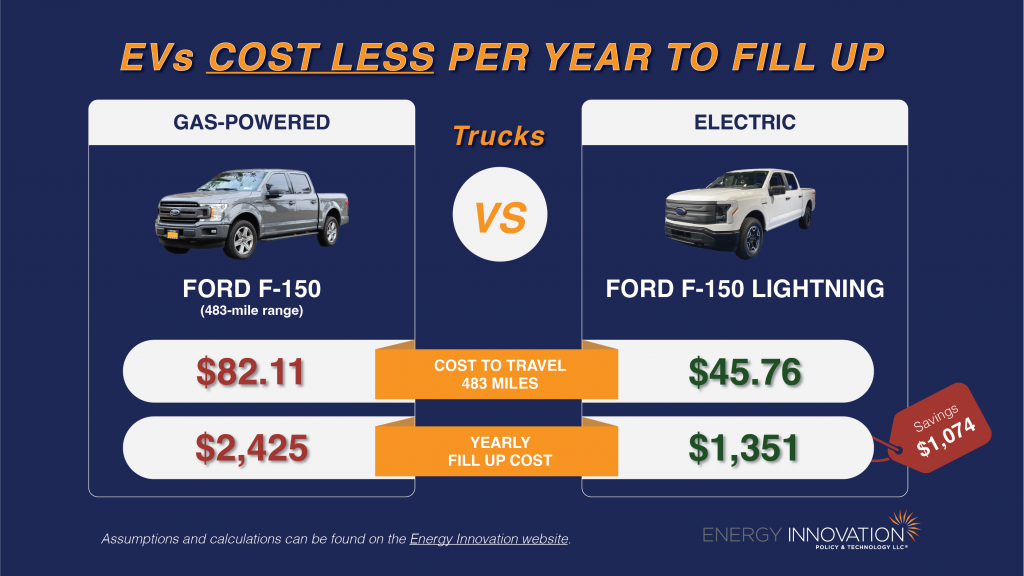
Think about it: how much do you spend on gas each week? Now imagine that bill shrinking dramatically. For many EV owners, charging costs are the equivalent of buying a fancy coffee a few times a week, rather than a daily habit. That's a significant change to your monthly budget, right?
Fun Fact: The average American drives about 13,500 miles a year. Powering an EV for that distance typically costs hundreds of dollars less annually than fueling a gas car, sometimes even over a thousand!
Maintenance Marvels: Less Grease, More Peace
Get ready for this: EVs have significantly fewer moving parts than gasoline cars. We're talking no oil changes, no spark plugs to replace, no timing belts to snap, and no transmission fluid flushes. It’s like magic! Fewer parts mean less to break, and less to maintain.
Your "check engine" light might become a distant memory. While you'll still need to rotate tires and replace wiper blades, the typical maintenance schedule for an EV is delightfully sparse compared to a traditional car. Your wallet (and your mechanic) will thank you. Plus, regenerative braking, a cool EV feature, extends the life of your brake pads by using the motor to slow the car down, effectively recharging the battery while it brakes.
Insurance Intricacies: A Shifting Landscape
Insurance can sometimes be a bit of a wildcard. Historically, EVs might have commanded slightly higher insurance premiums due to their new technology and the specialized parts (like battery packs) that can be more expensive to repair or replace if damaged. However, as EVs become more mainstream and repair shops gain expertise, these costs are becoming more competitive.
It's always smart to shop around for quotes. You might be surprised to find that some insurers offer discounts for eco-friendly vehicles or for drivers who use telematics (devices that track your driving habits) which often benefit EV drivers.

Resale Value: The Long Game
The EV market is maturing at lightning speed. Early on, there was some uncertainty about resale values, but popular EV models are now holding their value quite well, sometimes even outperforming comparable gas cars. As battery technology improves and charging infrastructure expands, the demand for pre-owned EVs is growing steadily. So, when it's time to trade up, your EV might just fetch a prettier penny than you'd expect.
Practical Pointers for the Savvy Driver
- Calculate Your Commute: How many miles do you drive daily? Use an online calculator to compare gas vs. electric costs for your specific habits.
- Home Charging is King: If you can install a Level 2 charger at home, you’ll unlock maximum convenience and often the lowest charging rates. Many areas offer rebates for installation too!
- Explore Incentives: Don't just look at federal; check state, local, and even utility company programs. You might find grants for chargers or additional vehicle discounts.
- Mind the Battery: Just like your phone, battery health matters. Proper charging habits (avoiding extreme hot/cold, not always charging to 100%) can extend its life.
Ultimately, the cost comparison between an EV and a gas car isn't just about the price tag at the dealership. It’s a holistic view of ownership, encompassing everything from your daily "fuel" expenses to long-term maintenance. While the initial investment might be higher for some EVs, the ongoing savings in fuel and maintenance often create a compelling financial argument over time.
It’s about making a smart choice for your wallet, yes, but it’s also about a smoother, quieter ride, the satisfaction of skipping gas stations, and doing your bit for the planet. It’s less about sacrificing and more about simply upgrading your daily drive. Who wouldn't want that?