Cost Of Electric Stove Vs Gas
There's something uniquely comforting about a warm kitchen, the enticing aroma of garlic sizzling in olive oil, or the sweet promise of cookies baking. Cooking isn't just about sustenance; it’s an act of love, a creative outlet, and often, the heart of your home. From hurried weekday breakfasts to leisurely Sunday roasts, our stoves are the unsung heroes of countless culinary adventures, bringing families together and fueling our bodies and souls.
The purpose of a stove is beautifully simple yet profoundly essential: to apply heat to food. It transforms raw ingredients into delicious meals, sterilizes water, and allows us to explore a vast world of flavors and textures. Whether you're whipping up a quick omelet, simmering a hearty stew, or perfectly searing a steak, your stove is the central pillar of your daily domestic life. It’s where memories are made, recipes are perfected, and cravings are satisfied. Think about it: every morning coffee, every cozy dinner, every celebratory feast – it all starts at the stove.
When it comes to powering these culinary workhorses, the eternal debate often boils down to gas versus electric. And let’s be honest, beyond personal preference for flame control or sleek induction tops, the bottom line often comes back to… well, the bottom line: cost. So, let’s peel back the layers on the cost of electric versus gas stoves, because while both will get the job done, they can hit your wallet differently.
Must Read
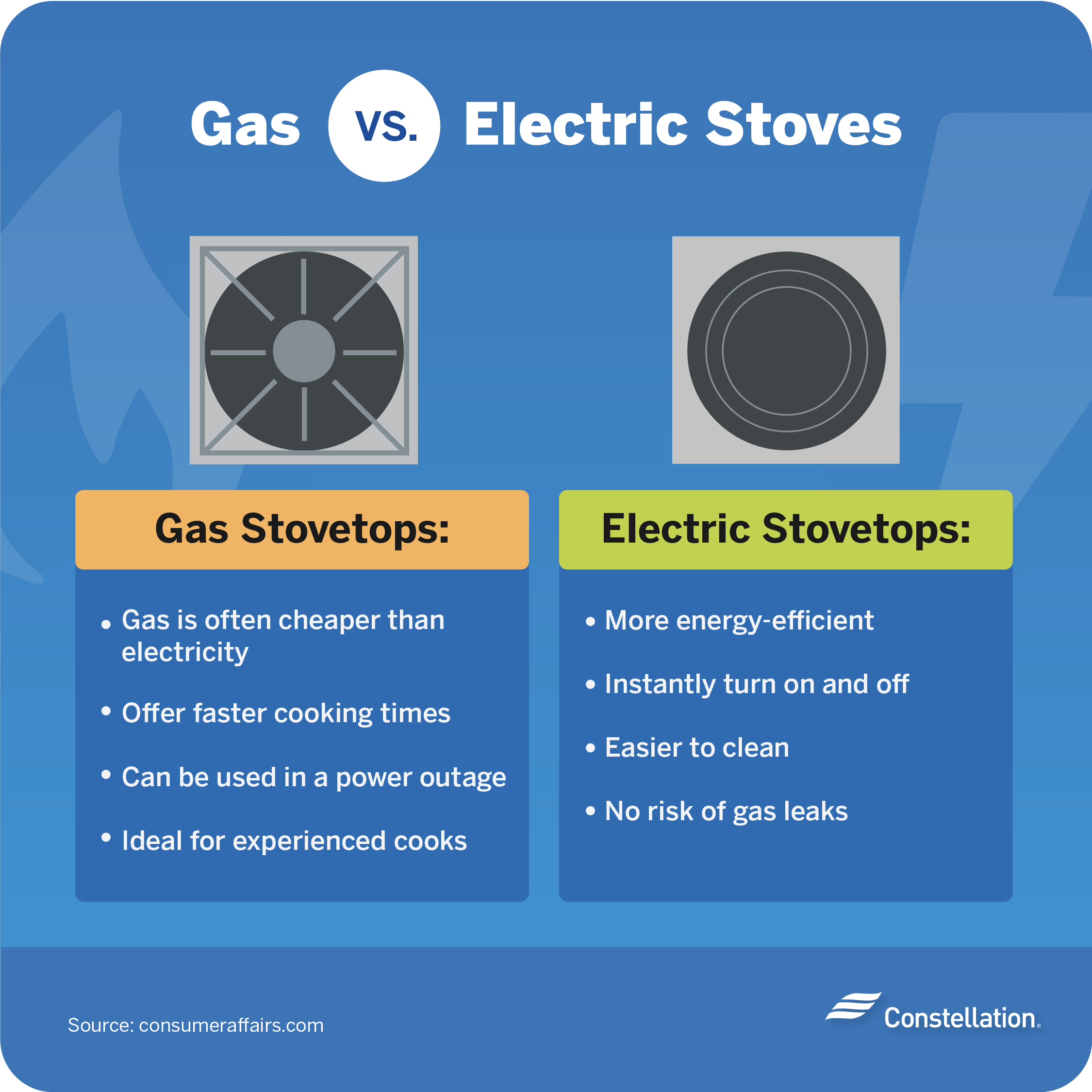
First, there's the initial purchase price. Generally, basic electric coil stoves might be slightly cheaper upfront than their gas counterparts. However, once you move into smooth-top electric radiant or particularly Induction cooktops, the electric price tag can climb significantly. Gas stoves, especially professional-style ranges, can also command a hefty price. But the initial sticker shock is only part of the story.
Next up are installation costs. If you already have a gas line or a 240V electrical outlet specifically for a stove, installation can be relatively straightforward and inexpensive. However, if your home needs a new gas line run or an electrical upgrade for a higher voltage outlet, these costs can easily add hundreds, if not thousands, to your total investment. This often overlooked factor is crucial when making your decision.

Then comes the big one: operational costs. This is where the long-term savings (or spending) truly manifest, and it hinges almost entirely on your local utility rates. In some areas, natural gas is significantly cheaper than electricity, making a gas stove more economical to run month-to-month. In other regions, electricity might be the more affordable option. Propane, often used where natural gas isn't available, can be quite expensive, especially with delivery fees.
It’s also important to consider efficiency. Traditional gas stoves, while offering instant heat and precise control, lose a significant amount of heat to the surrounding air. Electric coil and radiant smooth-top stoves also have heat loss. But Induction cooktops are a game-changer here. They heat the cookware directly through electromagnetic fields, making them incredibly energy-efficient – often translating to lower running costs despite potentially higher electricity rates for the cooking process itself. This energy efficiency can sometimes offset their higher initial price over the lifespan of the appliance.
So, how can you enjoy your cooking more effectively and save a few pennies, regardless of your stove type? Firstly, always ensure you're matching pan size to burner. A small pot on a large burner wastes energy, whether gas or electric. Secondly, embrace using lids! They trap heat and moisture, cooking food faster and more efficiently. Preheat only when truly necessary (most dishes don't need a perfectly preheated pan for more than a minute or two). Keep your stove clean; grime can impede heat transfer. And finally, if you're in the market for a new stove, do your homework on your local utility rates and consider the long-term operational savings alongside the initial purchase and installation. Happy cooking!