Cost Of A Wind Turbine Blade
Hey there, friend! Grab a coffee, pull up a chair. Ever stopped to really look at those majestic wind turbines gracing our horizons? They’re like silent, graceful giants, aren’t they? Always wondered about them myself. But then my brain, always the busybody, started nagging: "Hey, what about the cost of just one of those massive blades?"
So, What's the Deal with Wind Turbine Blades?
I mean, they look like glorified airplane wings, right? Just… bigger. Way, way bigger. And I’m sure you, like me, kinda figured they weren't exactly cheap to slap together. But when you start to dig a little, you realize we're not talking about a couple of hundred bucks here. Oh no, my friend. We’re talking about some serious, serious cash. It's enough to make your jaw drop, honestly.
So, let's peel back the layers, shall we? Why does a single, solitary wind turbine blade cost more than, say, a really fancy sports car? Or even a small house in some places? It’s not just a big piece of plastic, I promise you.
Must Read
Why Are They So Pricey, Anyway?
Okay, first off, these aren't your average backyard fan blades. They're engineering marvels! Think about it:
1. Materials: Not Your Average Tupperware!
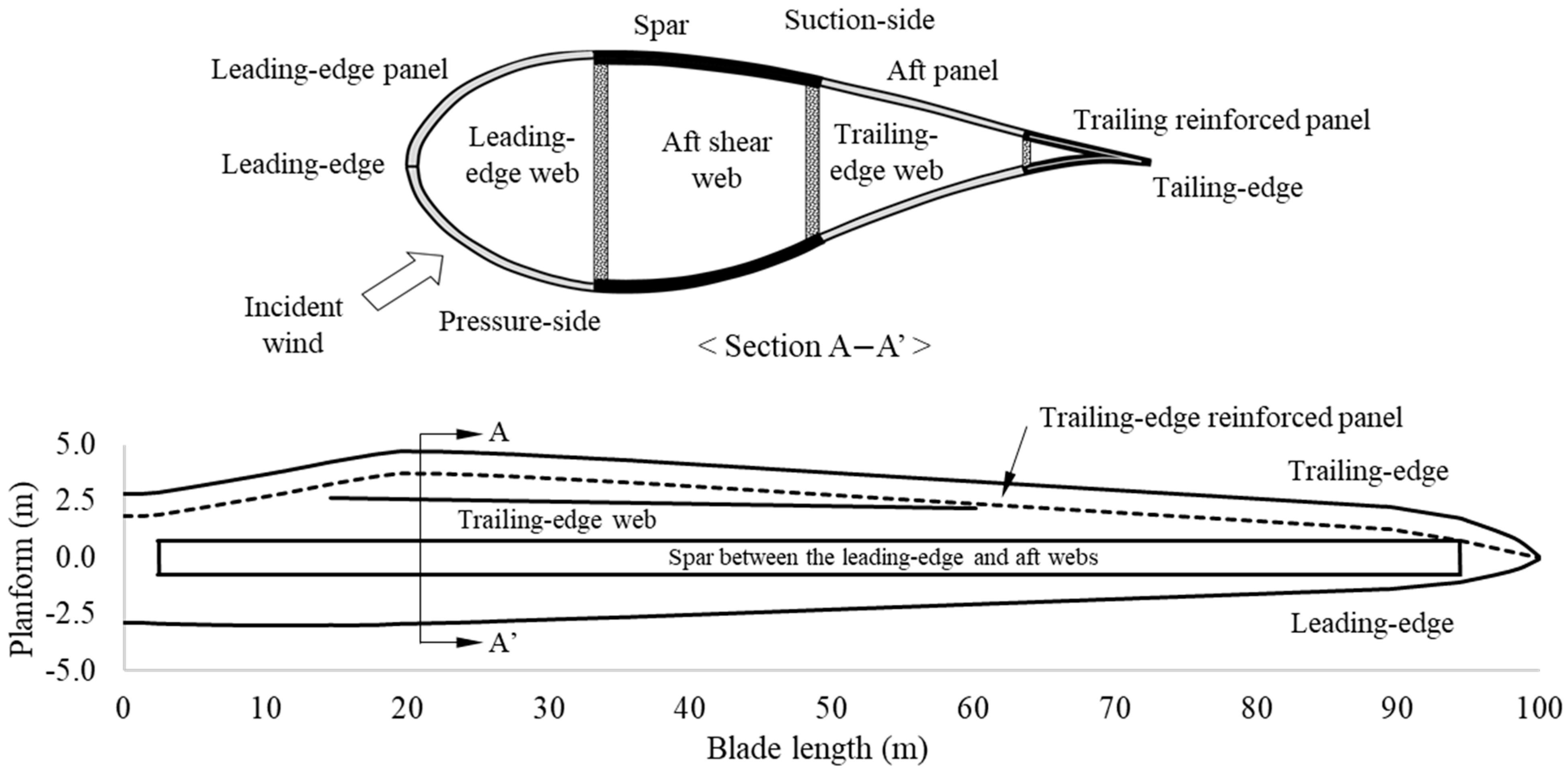
You can't just mold any old plastic into a sixty-meter-long (or even longer!) blade that has to withstand hurricane-force winds and operate reliably for decades. Nope! These babies are made from advanced composites, often a blend of fiberglass and resin, sometimes with carbon fiber for extra strength and lightness. This stuff is seriously strong, incredibly durable, and guess what? Also incredibly expensive to produce. It's like the aerospace industry decided to build a giant fan blade. You know how it is; anything "advanced" usually comes with a premium tag attached, right?

2. The Brainpower Behind the Beauty: Engineering, Baby!
These blades aren't just pretty shapes. They’re designed with meticulous precision to be as aerodynamic as possible. Think F1 racing, but for wind. Every curve, every angle, every twist has been calculated by super-smart engineers to capture the maximum amount of wind energy. They have to factor in stress, fatigue, resonance, all sorts of things that would make my head spin. And that kind of specialized knowledge and simulation? Yeah, that costs a pretty penny.
3. Handcrafted Perfection? Almost!
You might imagine some giant robot arm just spitting these out. But actually, there's a huge amount of manual craftsmanship involved. They're often built in giant molds, layer by layer, by skilled technicians. It's a bit like making a massive, super-strong canoe, only way more complex. This isn't mass production on an assembly line like a toaster. Each blade is a project in itself, requiring incredible attention to detail. Human hands, specialized skills… you get the picture, right?
4. The Logistics Nightmare: Seriously, How Do You Move That?!
Imagine trying to transport a blade that’s longer than a Boeing 747 wing. Seriously! These things require specialized, oversized transport – massive trucks, sometimes even barges or trains, with police escorts and road closures. Navigating tight turns or bridges with something that enormous? It’s a logistical ballet, and every pirouette costs money. Just seeing those trucks on the highway makes you appreciate the scale, doesn't it?

5. Research and Development: Always Innovating!
The wind energy industry is constantly pushing boundaries, making blades longer, lighter, and more efficient. That means continuous investment in R&D to figure out new materials, better designs, and more robust manufacturing processes. That innovation isn't free, folks; it's baked into the cost of every new generation of blade.
Show Me the Money! (Ballpark Figures, Of Course)
Alright, alright, I know you're itching for numbers. So, how much are we talking for one of these incredible pieces of engineering? Well, it varies wildly depending on size, type (onshore vs. offshore), and manufacturer.
But for a single, modern, utility-scale wind turbine blade – not the absolute biggest offshore behemoths, but a good, substantial one – you’re typically looking at anywhere from $200,000 to $500,000. Yes, you read that right. Half a million dollars for one blade! And for the truly gargantuan blades used in some of the latest offshore projects? They could even push towards a million dollars a piece. Seriously! That’s just for one of the three blades on a typical turbine.
Is It All Worth It, Though?
It sounds like a lot, doesn't it? A colossal investment. But when you consider the lifespan of these blades – often 20 to 25 years – and the incredible amount of clean, renewable energy they generate over that time, the economics start to make more sense. They’re a significant upfront investment, yes, but they deliver a powerful return in terms of sustainable energy production, reducing our reliance on fossil fuels. So, in the grand scheme of things, they’re actually a pretty good deal for the planet.
So, Next Time You See One...
Pretty wild, right? So next time you're driving past a wind farm, take a moment. Don’t just see a giant spinning thing. See a marvel of materials science, advanced engineering, skilled craftsmanship, and incredible logistics, all coming together to make clean energy. And now you know a little secret: each one of those elegant, sweeping blades costs more than your wildest car dreams. Mind-blowing, isn't it?