Cost Of A Whole Home Generator

Ah, the humble power outage. A minor inconvenience for some, a catastrophic event for others. It’s a moment when you realize just how much you rely on electricity for... well, everything. And then, a thought flickers into your mind, brighter than any candle: "What if I never had to deal with this again?" Enter the majestic, the magnificent, the wallet-emptying whole home generator.
The Dream of Uninterrupted Bliss
Imagine this: the wind howls, the rain lashes down, and your neighbor's lights have just blinked out. But not yours! Your TV is still humming, your fridge is still chilling, and your Wi-Fi is still letting you scroll through cat videos. This, my friends, is the siren song of the whole home generator. It promises peace of mind, comfort, and the ability to brew that morning coffee, come what may. Sounds divine, right? Absolutely. But let's chat about the price tag, shall we? Because peace of mind apparently comes with a rather hefty invoice.
What’s Under the Hood (and in Your Wallet)?
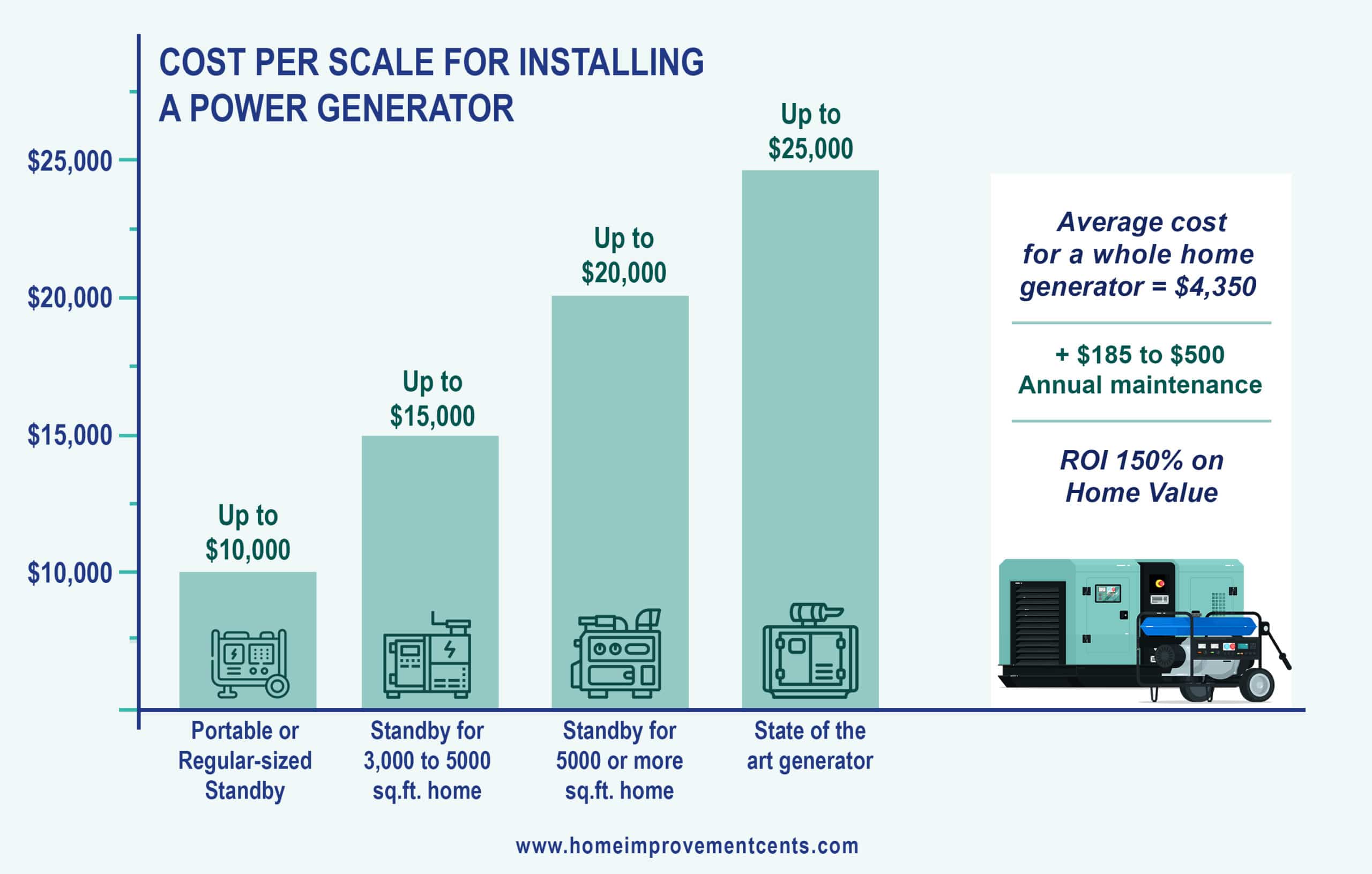
First up, there's the generator unit itself. These aren't your grandpa's tiny camping generators. We're talking about robust machines designed to power an entire house, often looking like a mini-shed in your backyard. They can range anywhere from a few thousand dollars to upwards of ten or twelve thousand, just for the machine. Think of it as buying a very small, very loud, very efficient car, but it stays parked in your yard forever. Then comes the real fun part: installation.
Must Read
"It’s not just a plug-and-play situation. This isn't a toaster oven. We're talking serious electrical work, often a dedicated fuel line, and maybe even a concrete pad for it to sit on."
This is where the costs really start to stretch their legs and run. You need a licensed electrician, often a plumber (for gas lines), and possibly a general contractor. They have to hook it into your home's electrical system, often adding an automatic transfer switch so it kicks on all by itself when the lights go out. This whole process can easily double the initial cost of the generator unit. Yes, double. So, if your generator was $7,000, you're looking at another $7,000 or more for installation. Suddenly, that dream of uninterrupted Netflix is starting to look like a very expensive box set.

Fueling the Dream (and the Generator)
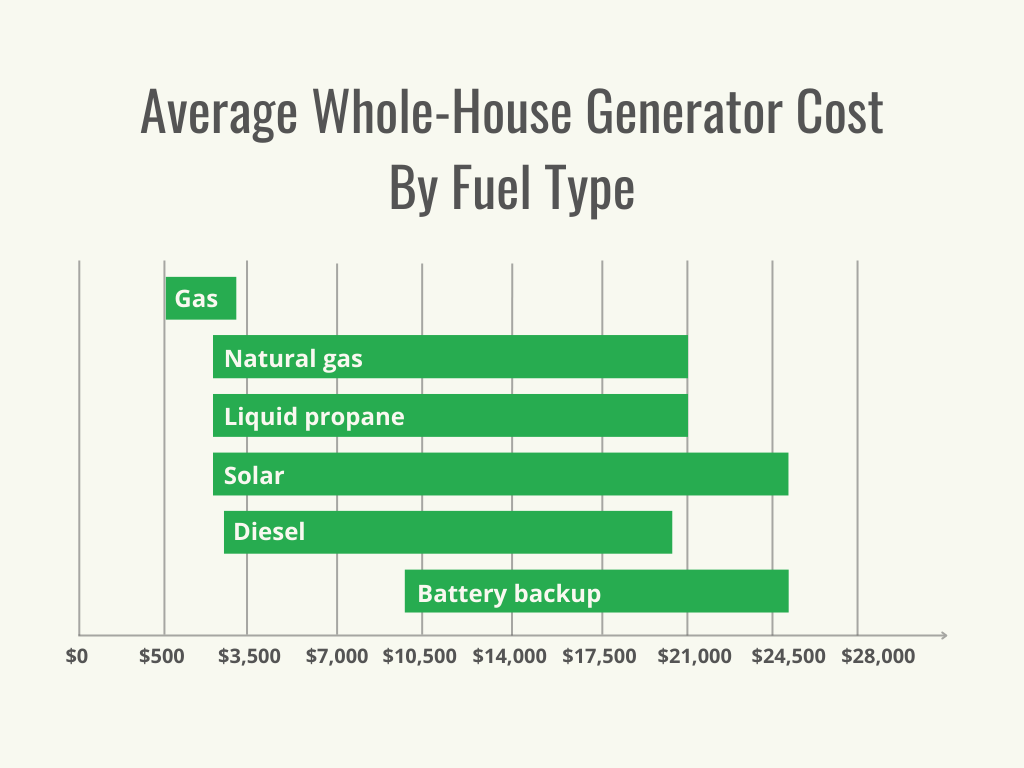
Next, let's talk about the fuel source. Most whole home generators run on natural gas or propane. If you have natural gas already piped to your house, that's generally the most convenient and cost-effective option for the long run. But if you don't, you'll need a big propane tank installed in your yard, which adds another layer of cost and a delightful new feature to look at. And don't forget the actual fuel! While generators are usually for emergencies, you'll want to run it periodically for maintenance checks, which means burning through some of that pricey fuel. So, it's not just a one-time payment; it's a relationship with ongoing costs.
The Hidden Costs and the "Unpopular Opinion"
Beyond the initial splurge, there are maintenance costs – annual check-ups, oil changes, filter replacements. It's like owning a car you never drive, but still have to service. These aren't huge costs individually, but they add up, just like tiny snowflakes become a giant snowdrift.
Now for the playful, perhaps unpopular opinion: Is a whole home generator truly a necessity, or is it the ultimate comfort and convenience splurge? For many, it's about not missing a beat, not having to trek to a hotel, not letting the ice cream melt. It’s about maintaining a certain standard of living, even when the grid decides to take a nap. It’s an investment, yes, but one that often feels more like a luxury purchase for a very specific type of very temporary problem.
"You're not just buying electricity; you're buying the right to never feel truly inconvenienced again. And that, my friends, is a priceless feeling... with a very specific, and high, price tag."
So, when you see that whole home generator purring quietly in someone's backyard, remember what it represents. It's not just a big box; it’s a commitment. A commitment to dodging discomfort, to embracing ultimate convenience, and to paying a pretty penny for it. It's an interesting dance between wanting modern amenities 24/7 and the age-old tradition of lighting a candle. Which dance do you prefer?