
Cost For New Hot Water Heater

Ever had a cold shower wake you up faster than a double espresso? Or maybe you've been mid-shampoo when the hot water just… vanished? It's a universal experience, really. One minute, life is good, you're enjoying that steamy bliss. The next, you're shivering, wondering what cosmic force decided your morning needed an extra jolt of icy reality. More often than not, that cosmic force isn't some mischievous deity, but a humble, hardworking appliance saying, "My time has come."
Yep, we're talking about your hot water heater. And when it finally kicks the bucket, a question pops up that can feel as chilling as that unexpected cold rinse: "What's this going to cost me?"
So, What's the Damage, Erm, Investment?
Let's be real, nobody enjoys spending money on a new appliance, especially one that lives in a closet or basement and simply does its job in the background. But here's the cool part: replacing a hot water heater isn't just about getting hot water back. It's an opportunity! An opportunity to upgrade, to save money long-term, and to invest in the sheer, unadulterated comfort of reliably warm showers and baths. Think of it as purchasing a daily dose of zen.
Must Read
But really, what are we talking about here? Is it like buying a new phone, where the price is pretty fixed, or more like renovating a kitchen, with a gazillion variables? Turns out, it's a bit more like the latter, but way less stressful and surprisingly interesting when you dig into it.
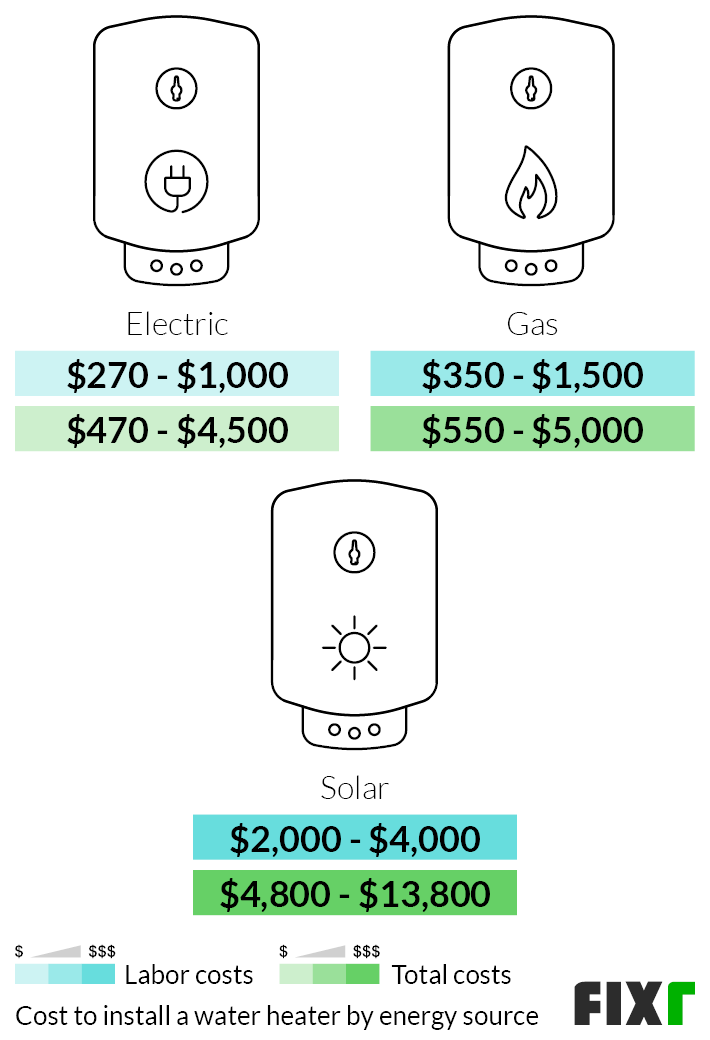
The total cost for a new hot water heater can swing quite a bit, generally ranging from around $800 to upwards of $5,000 or even more. "Whoa, that's a big gap!" you might be thinking. And you'd be right! But that wide range comes down to a few key players in our hot water saga: the type of heater, the installation complexity, and where you live.
The Cast of Characters: Different Water Heater Types
Who knew a metal tank could hold so much intrigue? Or that a tankless contraption could be so efficient? Let's meet the main contenders for your home's hot water supply.
The Classic: Conventional Tank Water Heaters
This is probably what you picture when you hear "hot water heater." It's a big, insulated tank that stores and heats a set amount of water. They're like the sturdy, reliable workhorses of the hot water world – dependable and generally the most affordable upfront.
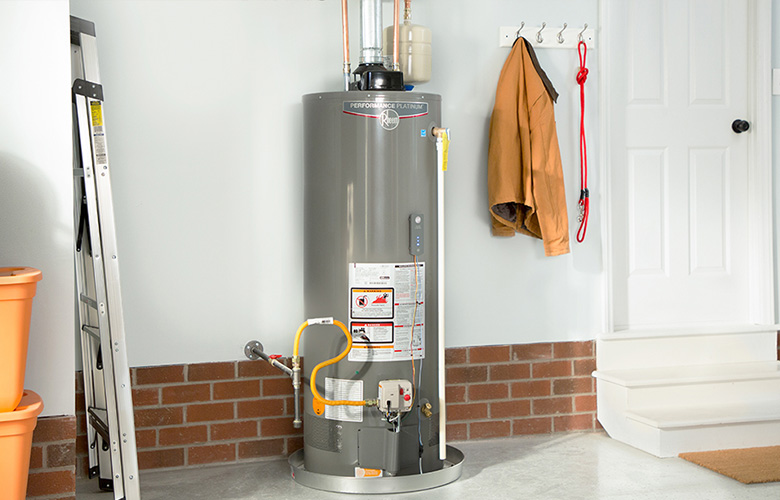
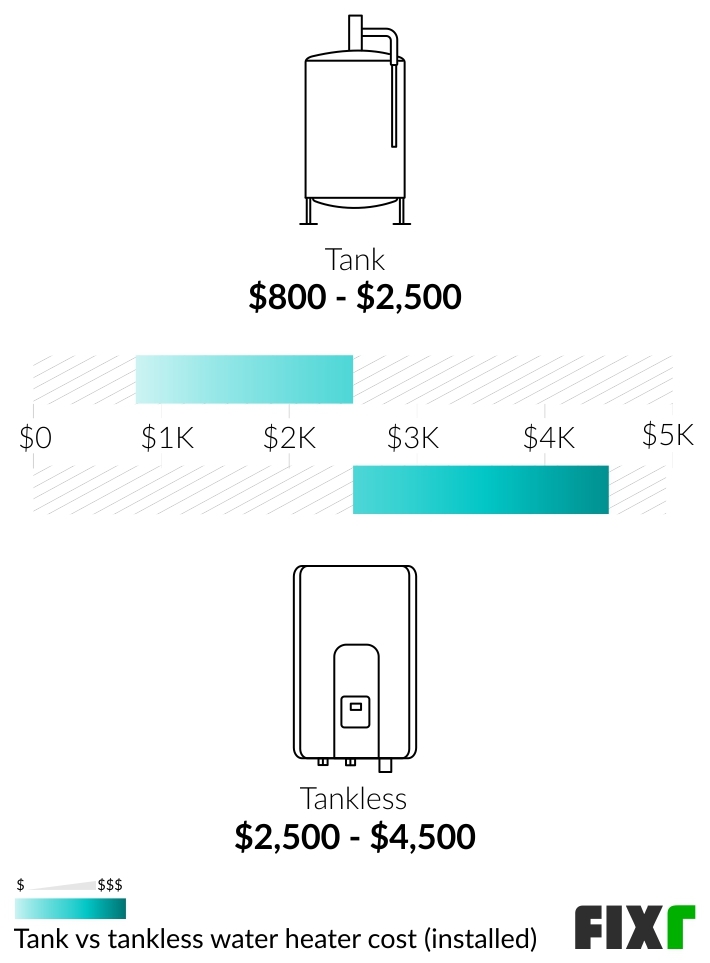
You'll find these running on natural gas, propane, or electricity. For just the unit itself, a conventional tank can run you anywhere from $400 to $1,500. Add in installation, and you're typically looking at a total of $800 to $2,500. Not too shabby for daily hot water comfort, right?
The Sleek Marvel: Tankless Water Heaters
These guys are the "on-demand" superheroes. No tank, no waiting for water to heat up. Instead, they heat water instantly as it flows through a coil. Think of it like having a personal barista for hot water, always ready to brew a fresh cup (or shower!).
The big draw? Endless hot water and energy savings because they only heat water when you need it. The catch? They have a higher upfront cost. A tankless unit alone can be $1,000 to $3,000. When you factor in installation, which can be more complex due to venting or electrical upgrades, the total bill often lands between $1,800 and $4,500. But oh, the luxury of never running out of hot water!
The Eco-Hero: Heat Pump Hybrid Water Heaters
If tankless is the barista, then the heat pump hybrid is the savvy investor. These clever units pull heat from the surrounding air (like a refrigerator, but in reverse!) to heat your water. They still have a tank, but they're incredibly energy-efficient, often saving you a significant chunk on your utility bills over time.
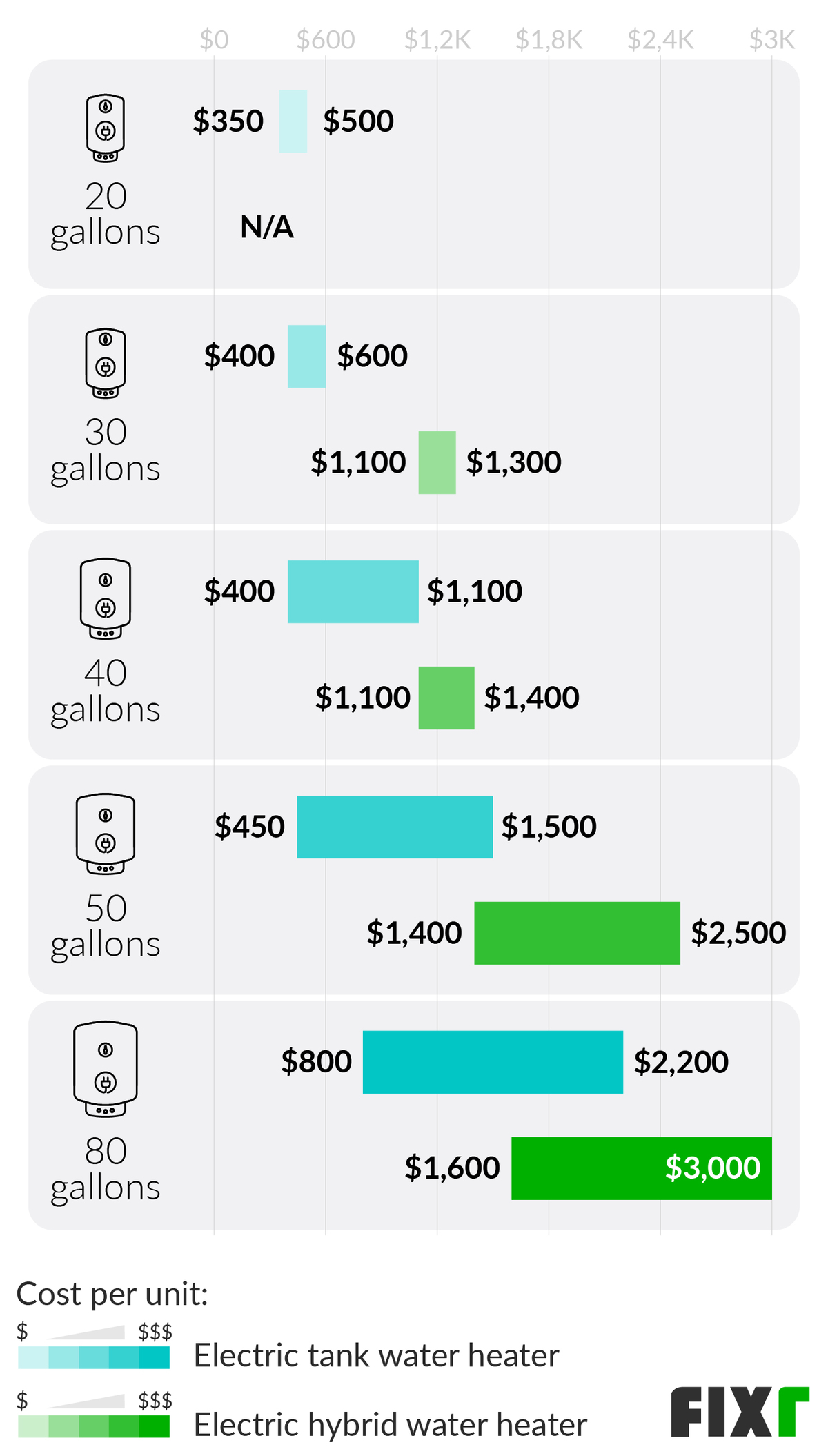
They're typically electric and, like tankless, have a higher initial price tag. Expect to pay $1,500 to $3,500 for the unit. With installation, which might include specific space requirements and condensate drainage, the total cost usually falls between $2,500 and $5,500. Definitely an investment, but one that pays dividends in energy savings and a smaller carbon footprint!
Beyond the Box: What Else Adds Up?
Remember how we said it's like renovating a kitchen? Well, the "extras" for a water heater can surprise you. The price of the unit itself is just one piece of the puzzle. Here’s what else factors into the final cost:
- Installation Labor: This is a big one. Removing your old unit, hauling it away, and skillfully installing the new one takes time and expertise. Plumbers aren't cheap, but they ensure safety and proper function.
- Permits: Depending on where you live, you might need a permit for a new water heater installation. It's a small fee but ensures the work meets local building codes and safety standards.
- Code Upgrades: Ah, the unexpected curveball! Older homes might need upgrades to meet current codes – think new venting, bigger gas lines, or electrical circuit changes, especially when switching to a different type of heater (e.g., from gas tank to electric tankless). These can add hundreds or even a thousand dollars to the bill.
- Brand and Features: Just like cars or washing machines, some brands are considered premium, and certain features (like Wi-Fi connectivity or advanced self-diagnostics) can bump up the price.
- Location, Location, Location: Labor costs vary wildly by region. What costs X in a rural area might cost 2X in a major metropolitan city.
The Grand Total: What to Expect
So, taking all of this into account, a ballpark figure for a complete hot water heater replacement, including the unit and professional installation, typically ranges from $800 on the lower end for a basic conventional tank, up to $5,500+ for a high-end tankless or hybrid system with complex installation.
It's a wide range, yes, but think of it as choosing your level of hot water happiness. Are you just happy to have hot water, or do you crave endless streams and eco-friendly efficiency? Each choice comes with its price tag, but also its unique benefits.
Ultimately, a new hot water heater isn't just an expense; it's an investment in your home's comfort, efficiency, and your daily peace of mind. No more cold shower surprises – unless you want them, of course! So, when your old friend finally taps out, don't despair. Embrace the opportunity to upgrade and enjoy the wonderful world of reliable hot water.