
Corrosion Caused By Galvanic Action Is The Result Of
Okay, let's talk about something that sounds way more intimidating than it actually is: galvanic corrosion. Think of it as the drama that unfolds when different metals get a little too close for comfort in a wet environment. It's like a metallic soap opera, complete with betrayals and sacrifices!
The Players: Different Metals, Different Voltages
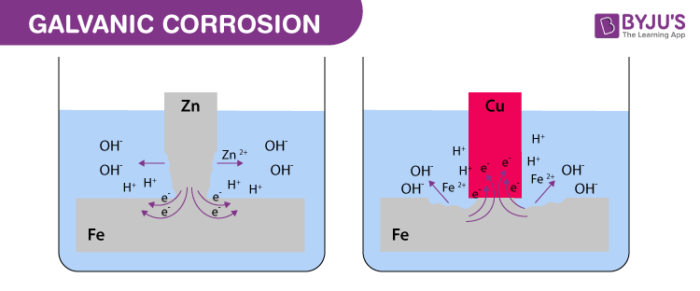
At its heart, galvanic corrosion is all about electrons. Every metal has a different electrical potential. Some metals are more eager to give up their electrons (we call them "less noble," or more anodic), while others are happier to receive them (the "noble" or cathodic metals). Think of it like a high school dance: some metals are desperate to get on the dance floor (lose electrons), while others are cooly waiting to be asked (gain electrons).
When you pair these metals together in the presence of an electrolyte – like water (especially salty water!), acid rain, or even just humid air – you've created a battery. The less noble metal starts to corrode, sacrificing itself to protect the more noble metal. It's a metallic martyrdom, if you will.
Must Read
So, in short, corrosion caused by galvanic action is the result of:
- Two dissimilar metals electrically connected.
- An electrolyte present to conduct ions.
The "Galvanic Series": A Compatibility Cheat Sheet
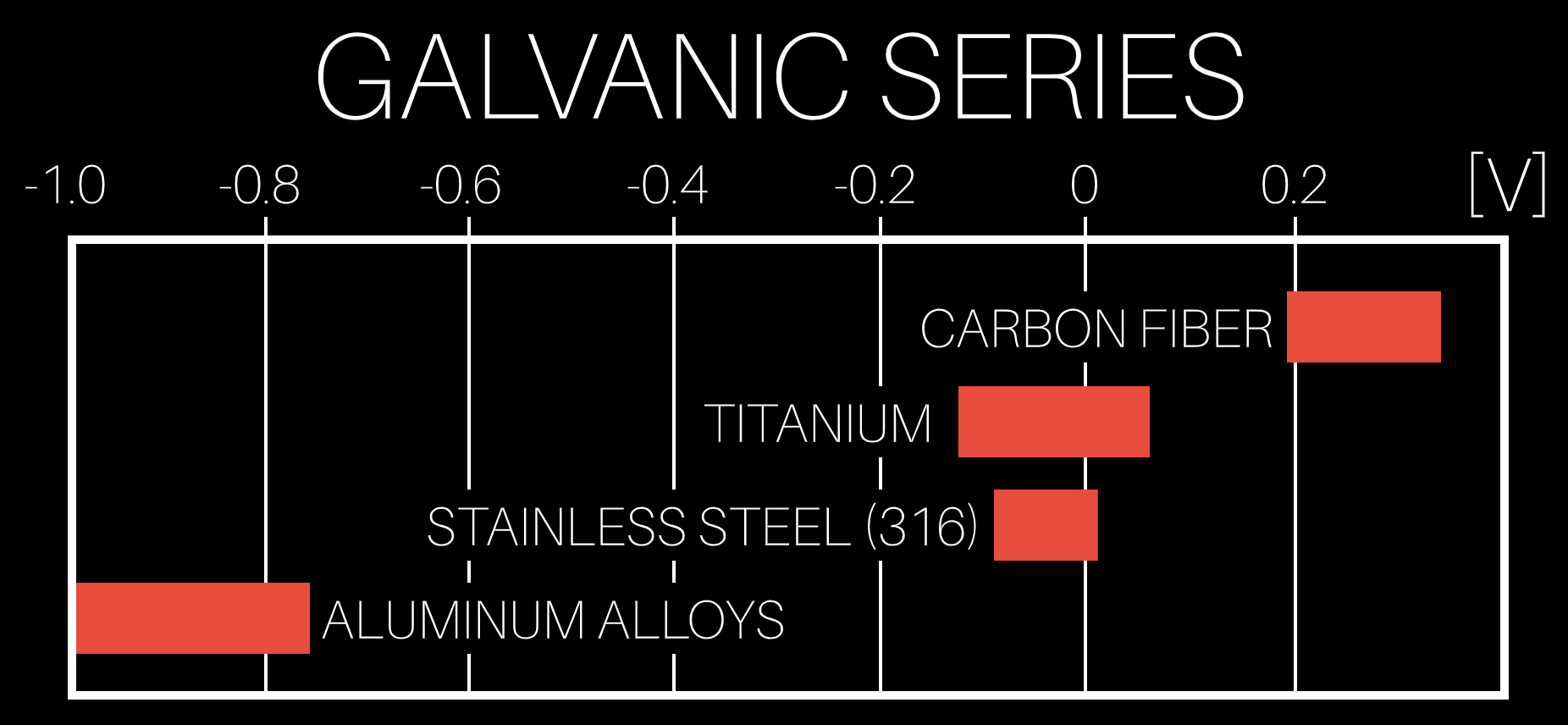
Luckily, we don't have to guess which metals will play nicely together. There's something called the galvanic series, which lists metals in order of their electrochemical potential. Metals that are close together on the list are more compatible, while those farther apart are more likely to cause galvanic corrosion. Think of it as a dating app for metals – matching based on electrochemical compatibility!

For example, gold and platinum are very noble metals. They're the "cool kids" of the metallic world. Aluminum and zinc, on the other hand, are less noble and more prone to corrosion.
Practical Tips: Avoiding Metallic Mayhem
So, how can you prevent this metallic meltdown in your own life? Here are a few practical tips:

- Choose Compatible Metals: When designing or building something, try to use metals that are close together on the galvanic series. If you absolutely must use dissimilar metals, consider isolating them with non-conductive materials.
- Use Coatings: Apply protective coatings like paint, epoxy, or galvanizing to the less noble metal. This creates a barrier that prevents the electrolyte from reaching the metal surface. It's like giving your metal a raincoat!
- Galvanic Protection (Sacrificial Anodes): Attach a more anodic metal (like zinc or magnesium) to the structure you want to protect. This metal will corrode instead of the protected metal. Think of it as a metallic bodyguard taking the bullet for its friend. This is commonly used on boats and pipelines.
- Keep it Dry: Eliminate or minimize the presence of electrolytes. Keep metal surfaces clean and dry. Proper drainage is your friend!
Cultural Connections: Corrosion in Pop Culture
Galvanic corrosion might seem like a dry technical topic, but it's actually subtly present in our cultural landscape. Remember that scene in "Titanic" where the ship breaks apart? While not solely due to galvanic corrosion, the degradation of the ship's structure over time (and in salty water!) definitely played a role.
And think about older cars. Rust? Often, galvanic corrosion is a contributing factor where different metals were used in the bodywork. It's a silent, creeping force that affects the things around us.
Fun Fact: Luigi Galvani and the Frog Legs
The term "galvanic" comes from Luigi Galvani, an 18th-century Italian physicist who famously discovered that frog legs would twitch when touched by two different metals. While he didn't fully understand the process (he initially thought the electricity came from the animal itself!), his experiments laid the groundwork for our understanding of electrochemistry and, ultimately, galvanic corrosion.
Imagine being Luigi Galvani and observing frog legs twitching because of metal contact; he probably felt like Doctor Frankenstein, bringing life to the lifeless. A crazy time in science!
A Little Reflection: The Unseen Forces
Galvanic corrosion reminds us that there are often unseen forces at work in the world around us. Just like relationships, material things are exposed to reactions we cannot directly control. From the microscopic interactions of electrons to the macroscopic degradation of structures, these processes shape our environment and influence the lifespan of the objects we rely on every day. It's a humbling reminder to appreciate the complexity and interconnectedness of the world we inhabit, and maybe choose our metals (and friends!) wisely.
