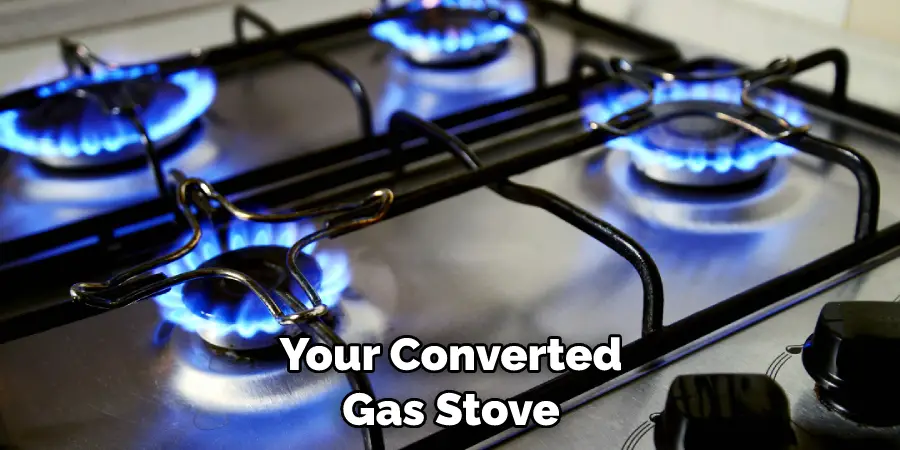
Converting From Electric Stove To Gas Stove

Thinking about ditching that electric coil or glass cooktop for the fiery embrace of a gas stove? You're not alone. Many home chefs are making the switch, lured by the promise of precise temperature control, faster heating, and that oh-so-satisfying "whoosh" sound when the burner ignites. But before you go full Gordon Ramsay, let's break down what's involved in converting from electric to gas.
Is the Grass Always Greener (or the Flame Always Hotter)?
Let's be real: gas stoves aren't just about performance. They tap into something primal. Remember watching your grandma make her legendary marinara sauce, the flames dancing under the pot? Or that scene in "Chef" where Jon Favreau meticulously sears a perfect steak on a gas range? There's a romance to it, a sense of connection to the cooking process that electric stoves often lack.
But romance aside, gas really shines when it comes to responsiveness. Electric stoves can be sluggish to heat up and slow to cool down, leaving you in a culinary limbo. Gas gives you instant control, allowing you to adjust the heat on a dime, which is crucial for techniques like searing, sauteing, and making delicate sauces.
Must Read
The Nitty-Gritty: What You Need to Know
Okay, so you're ready to embrace the flame. Here's a checklist of what needs to happen:
- Gas Line: This is the big one. You'll need a gas line running to your kitchen. If you don't already have one, you'll need to call a qualified gas plumber to install it. Do not, under any circumstances, attempt to do this yourself. Gas leaks are no joke!
- Permits: Depending on your local codes, you might need a permit for the gas line installation. Check with your city or county to make sure you're following the rules.
- The Stove Itself: Obviously! Choose a gas stove that fits your needs and budget. Consider features like the number of burners, BTU output, and whether you want a self-cleaning oven.
- Proper Ventilation: Gas stoves produce carbon monoxide, so it's crucial to have proper ventilation. A range hood that vents to the outside is ideal.
- Conversion Kit (Possibly): Some gas stoves come set up for natural gas, while others need a conversion kit to run on propane. Make sure you know which type of gas you'll be using and get the correct kit if needed.
Pro Tip: Get multiple quotes from qualified plumbers and electricians. Prices can vary significantly, so it pays to shop around. Also, ask about their experience with gas stove conversions specifically.

The Installation Process: What to Expect
The installation process usually involves these steps:
- Disconnecting and removing the old electric stove.
- Installing the gas line. This may involve running pipes through walls or floors.
- Connecting the gas line to the stove. The plumber will ensure there are no leaks.
- Connecting the stove to the electrical outlet. Gas stoves still need electricity for the igniter and oven lights.
- Testing the stove. The plumber will make sure all the burners are working properly and that there are no gas leaks.
Fun Fact: The first gas stoves were invented in the early 19th century, but they didn't become popular until the late 1800s, when natural gas became more readily available.

The Aftermath: Cooking Like a Pro
Once your gas stove is installed, get ready to unleash your inner chef. Experiment with different heat settings, learn how to control the flame, and enjoy the responsiveness that gas provides. You might find yourself cooking more often and trying new recipes. That slightly burnt paella from your first attempt? Consider it a badge of honor. You’re on the path to greatness.
Safety First: Always keep a carbon monoxide detector in your kitchen and test it regularly. And remember to clean your stove regularly to prevent grease buildup, which can be a fire hazard.
A Flame of Reflection
Converting from electric to gas is more than just a kitchen upgrade; it's an investment in your culinary journey. It’s about connecting with a more direct, visceral way of cooking, a dance between you and the flame. Like anything in life, it takes practice and patience. Just like mastering the perfect sourdough, cooking with gas requires learning to adjust, adapt, and trust your instincts. And in the end, it's that process, that constant striving for improvement, that makes life – and every meal – a little more delicious.