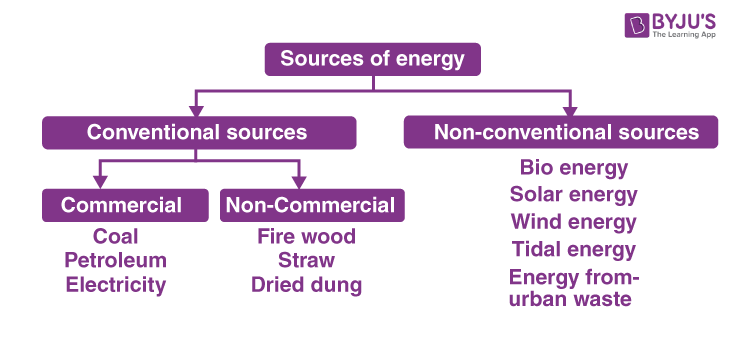
Conventional & Non Conventional Energy Sources
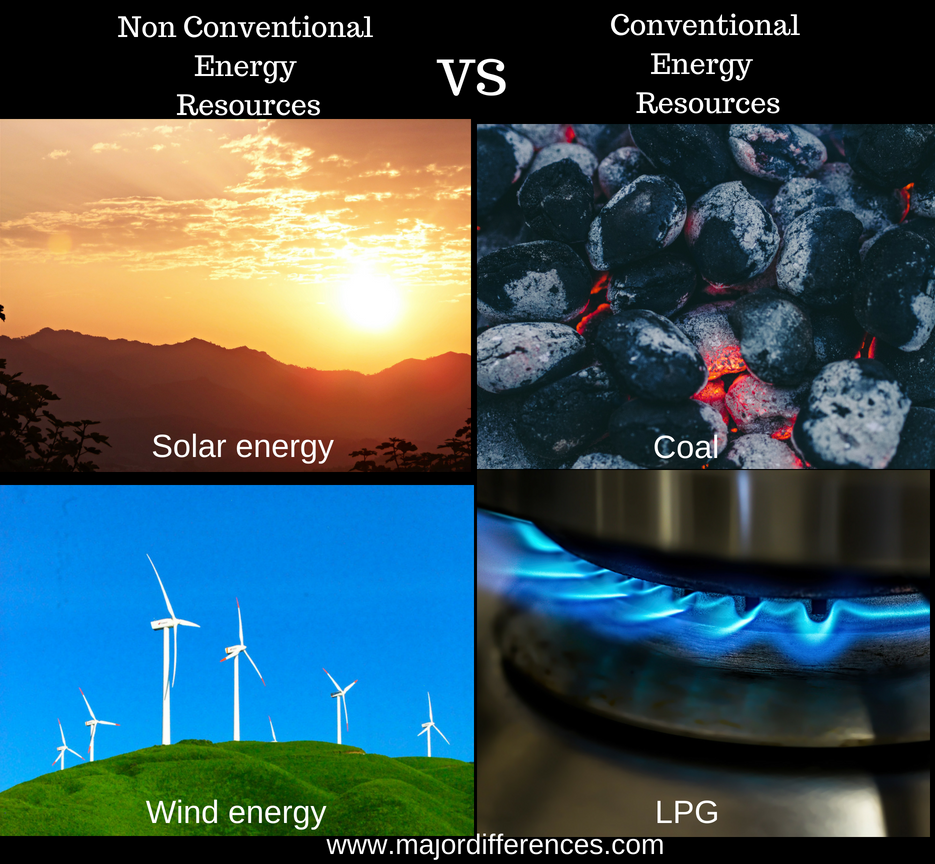
Hey there, eco-chic friends! Ever wondered where the juice that powers our avocado toast-making blenders comes from? It's a fascinating world of energy, and it's way more than just flipping a switch. Today, we're diving into the world of energy sources – both the tried-and-true and the wildly innovative – in a way that's both informative and, dare we say, kinda fun.
The Classics: Conventional Energy
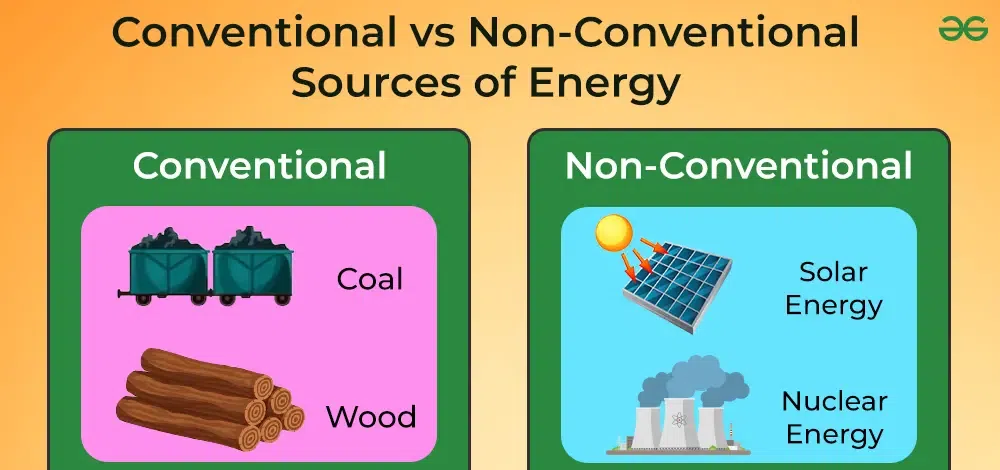
Let's start with the OGs: conventional energy sources. Think of them as the reliable classics, like that little black dress in your closet. They’ve been around for ages, powering our lives, but they also come with a bit of baggage.
First up, we have fossil fuels: coal, oil, and natural gas. These are formed from the remains of ancient plants and animals (yes, really!) that have been compressed over millions of years. Burning them releases energy, which is then used to generate electricity. The upside? They're relatively inexpensive and abundant (for now). The downside? Burning fossil fuels releases greenhouse gasses, which contribute to climate change. It's like enjoying a super sugary donut – delicious in the moment, not so great for your long-term health.
Must Read
Then there's nuclear energy. It’s like the superhero of the energy world: incredibly powerful, but with a potential for disaster. Nuclear power plants use nuclear fission (splitting atoms) to create heat, which boils water, which turns a turbine, which generates electricity. The benefit? It’s a low-carbon energy source, meaning it doesn’t release a lot of greenhouse gasses. However, there's the risk of accidents and the challenge of storing nuclear waste. Think of it as having a pet dragon – amazing, but requires immense responsibility!
The Cool Kids: Non-Conventional Energy
Now, let's talk about the cool kids on the block: non-conventional energy sources, also known as renewable energy. These are the eco-friendly options that are gaining popularity and becoming more accessible. They’re like those organic, locally sourced veggies – good for you and the planet.

Solar energy is shining bright (literally!). Solar panels convert sunlight directly into electricity. It's clean, sustainable, and increasingly affordable. Plus, you can even install solar panels on your roof and become your own mini power plant! Imagine bragging to your friends at your next brunch about powering your mimosa blender with the sun!
Next up, we have wind energy. Those majestic windmills you see dotting the landscape aren't just picturesque; they're capturing the power of the wind to generate electricity. Wind energy is another clean and renewable option that's becoming more widespread. Fun fact: The wind turbine blades have a lifetime of around 20 years, but are now being re-used for creating bridges, playgrounds and public artworks.
Don't forget about hydropower! Dams harness the energy of flowing water to generate electricity. It's a reliable source of renewable energy, but it can also have environmental impacts on rivers and aquatic ecosystems.
And lastly, geothermal energy: Harnessing the Earth's internal heat. Geothermal power plants tap into underground reservoirs of hot water or steam to generate electricity. It's a clean and sustainable energy source, but it's only available in certain locations. Think of Iceland – a country that’s practically powered by geothermal energy! Next vacay destination perhaps?

Little changes, Big Impact: Practical Tips for an Eco-Conscious Life
Okay, so how can you incorporate this energy knowledge into your daily life? Here are a few practical tips:
- Switch to renewable energy: Many utility companies offer green energy options. Consider switching to a plan that uses renewable energy sources.
- Conserve energy at home: Turn off lights when you leave a room, unplug electronics when they're not in use, and use energy-efficient appliances.
- Support businesses that prioritize sustainability: Choose companies that are committed to reducing their environmental impact.
- Educate yourself and others: The more we learn about energy and sustainability, the better equipped we are to make informed choices.
Reflection: Powering Our Future
The future of energy is in our hands. By embracing renewable energy sources and making conscious choices about our energy consumption, we can create a more sustainable and equitable world for ourselves and future generations. It's not just about flipping a switch; it's about powering a brighter, greener future, one avocado toast at a time!