Condensing Furnaces Are Strictly Electric Furnaces
Okay, let's talk furnaces. You know, those big, somewhat mysterious metal boxes lurking in your basement or attic? We all have them, and frankly, most of us only think about them when they stop working. Cue the panic and the scramble for a reliable HVAC guy (who suddenly becomes your best friend... until the bill arrives).
Now, there's a common misconception floating around that condensing furnaces are strictly electric. Let’s be clear: They are NOT! Thinking a condensing furnace is just an electric furnace is like thinking a chihuahua is just a bigger hamster. They both might be kinda small and furry (okay, maybe just the hamster!), but they’re fundamentally different things.
So, What IS a Condensing Furnace, Then?
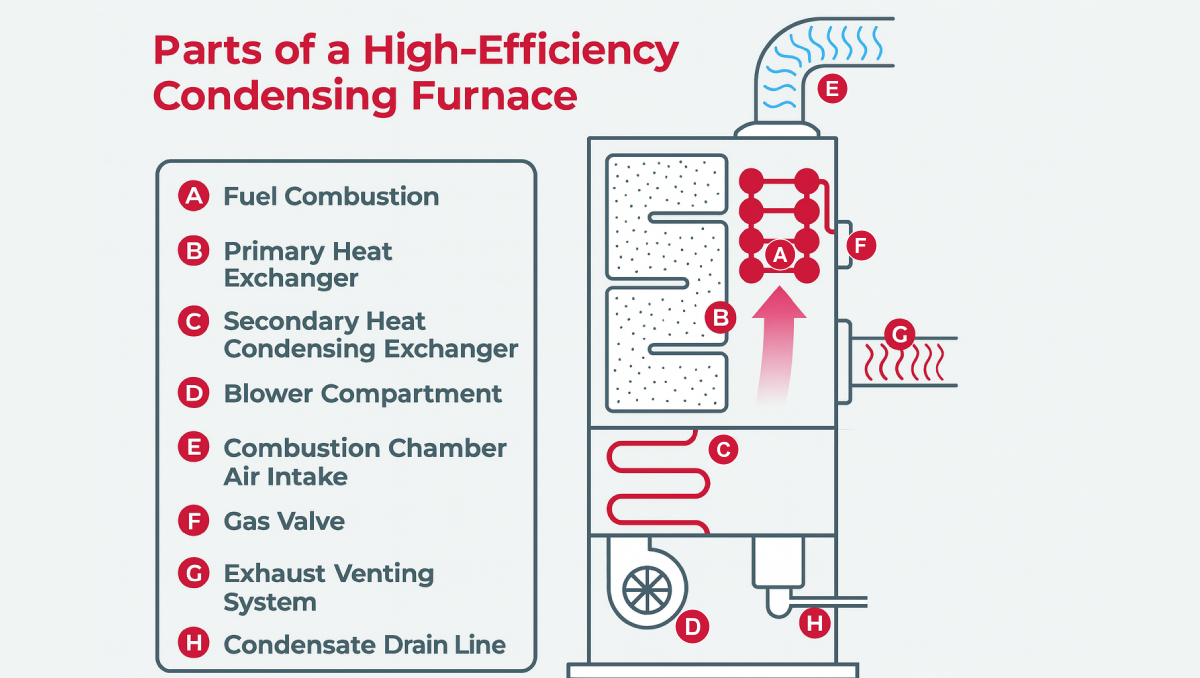
The name ‘condensing’ comes from how these furnaces work. They're basically the opposite of your annoying roommate who never does the dishes. Instead of letting all the heat energy escape up the chimney like a traditional furnace, a condensing furnace is like a super-efficient hoarder of heat. It squeezes every last bit of warmth out of the burning fuel (usually natural gas or propane) before venting what’s left.
Must Read
Think of it like this: imagine you’re making hot chocolate. A regular furnace is like using a regular saucepan – you heat it up, but some of the heat escapes into the air. A condensing furnace is like using a double boiler – it traps more of the heat, so you get a hotter, more delicious cup of cocoa!
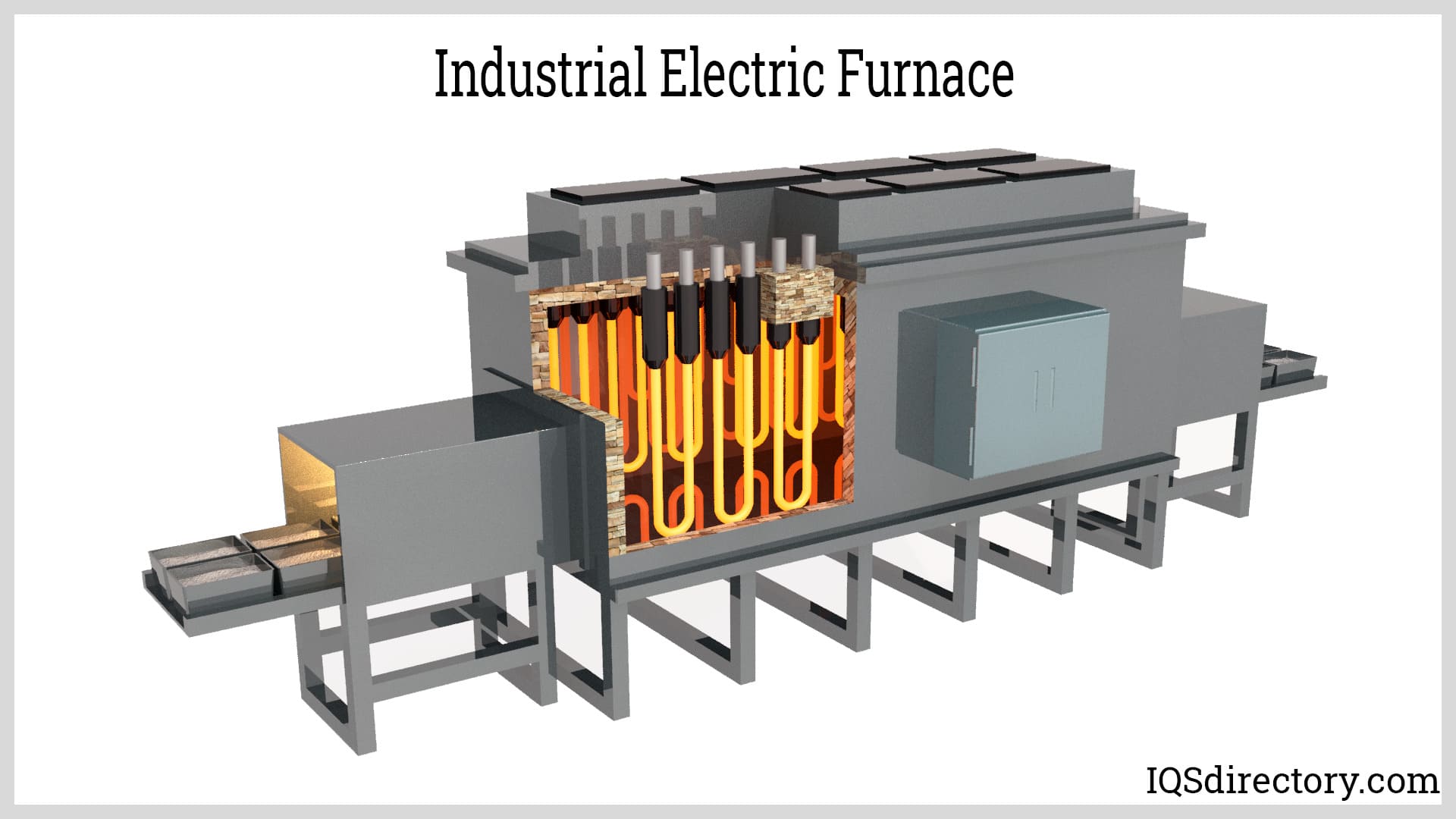
Electric furnaces, on the other hand, are a different beast entirely. They work just like a giant hairdryer, using electric resistance coils to heat the air. No burning fuel, no combustion, just pure electric heat. This is a key distinction.

The Gas Connection: The Smoking Gun (Well, Not Really Smoking)
The big clue that a condensing furnace isn’t electric is usually the presence of a gas line running to it. If you see a gas pipe, chances are you’re dealing with a gas-powered furnace, condensing or not. An electric furnace needs only electricity, not a gas supply.
I once had a friend who was convinced her gas stove was electric. She swore up and down that she’d never seen a flame. Turns out, the pilot light was just super low! It's easy to overlook the obvious sometimes, especially when you're not paying close attention.

Why the Confusion?
So, where does the confusion come from? Well, condensing furnaces do use electricity. They need it to power the blower motor (the thing that pushes the warm air through your ducts), the control board (the brains of the operation), and sometimes an inducer motor (a small fan that helps vent the exhaust). But the main heat source is still from burning fuel. The electricity simply runs the ancillary components.
It's kind of like a car. You need electricity to start the engine, run the radio, and power the headlights, but the car still primarily runs on gasoline (or diesel, if you're fancy). The electricity is important, but it's not the main fuel source.
The Moral of the Story?
Next time someone tells you that condensing furnaces are strictly electric, you can confidently correct them (with a friendly smile, of course). You can even throw in a witty analogy about chihuahuas and hamsters.
Just remember: condensing furnaces are fuel-burning appliances that also use electricity. Electric furnaces are 100% electric. Knowing the difference can save you from confusing quotes when you need repairs and help you understand how your home heating system actually works. Plus, you'll sound super smart at your next dinner party.
So, go forth and conquer the world of HVAC knowledge! Or, you know, just impress your friends with your newfound furnace wisdom. Either way, you're now one step closer to understanding that mysterious metal box in your basement. And that, my friends, is a small victory worth celebrating.