
Con Edison Electric Rate Per Kwh
Alright, let's talk about that moment of truth – when the Con Edison bill lands in your inbox or, worse, your actual mailbox. You know the one. That little white envelope that holds the power to make you gasp louder than a contestant on a reality TV show. We all open it with a mix of dread and morbid curiosity, often muttering, "What's it gonna be this month?!" And somewhere in that jumble of numbers and charges, you'll see the real MVP (or villain, depending on your mood): the electric rate per kWh.
Think of Con Ed as that omnipresent, somewhat mysterious roommate who silently keeps the lights on, the fridge humming, and your phone charging for those endless TikTok scrolls. And like any roommate, they send you a bill. But unlike most roommates, theirs is a bit of a moving target, especially when it comes to the cost of each kilowatt-hour.
What in the World is a kWh Anyway?
So, let's demystify this. A kWh, or kilowatt-hour, is basically the unit Con Ed uses to measure how much electricity you've guzzled. Imagine your electricity as tiny, invisible energy snacks. Each time your TV turns on, your hair dryer roars to life, or your laptop charges, you're chowing down on these snacks. A kWh is just a way of counting how many of those snacks you've consumed in a month.
Must Read
It's not as scary as it sounds. If your 100-watt light bulb stays on for 10 hours, that's 1 kWh. Simple, right? (Okay, maybe not super simple, but you get the gist.) The more your appliances munch on these energy snacks, the higher your total kWh count for the month. And guess what? The higher the count, the more those mysterious rates come into play.
The "Rate Per kWh": It's Not a Fixed Price Tag!
Here's where it gets interesting, and sometimes, a little head-scratching. The electric rate per kWh isn't like buying a candy bar where the price is always the same. Oh no, that would be too easy! Instead, think of it more like the price of gas at the pump – it fluctuates. Or maybe even better, like surge pricing on your favorite ride-share app, but for electricity!
You see, Con Ed has to buy the electricity from power generators, and those prices can change based on demand, the cost of natural gas (which powers many plants), and even the weather. So, the supply cost of your electricity can wiggle around. What you pay per kWh reflects that wiggle.
Why Does My Bill Go Bonkers in Summer (and Winter)?
Ever notice your Con Ed bill performing a dramatic leap during July and August? Or maybe in the dead of winter? You're not alone! It's not just that you're using more electricity (hello, air conditioning blasting like a arctic wind machine!). It's also that the rate per kWh can often climb when demand is highest.
When everyone in the city is blasting their AC to survive the "urban jungle heatwave," demand for electricity skyrockets. Power plants are working overtime, and the cost to produce that extra juice goes up. Con Ed passes some of that cost onto us, the grateful (and sweaty) consumers. Same goes for those bitter cold snaps when everyone's heaters are working harder than a personal trainer on January 1st.
The Two Halves of Your Electric Apple: Supply vs. Delivery
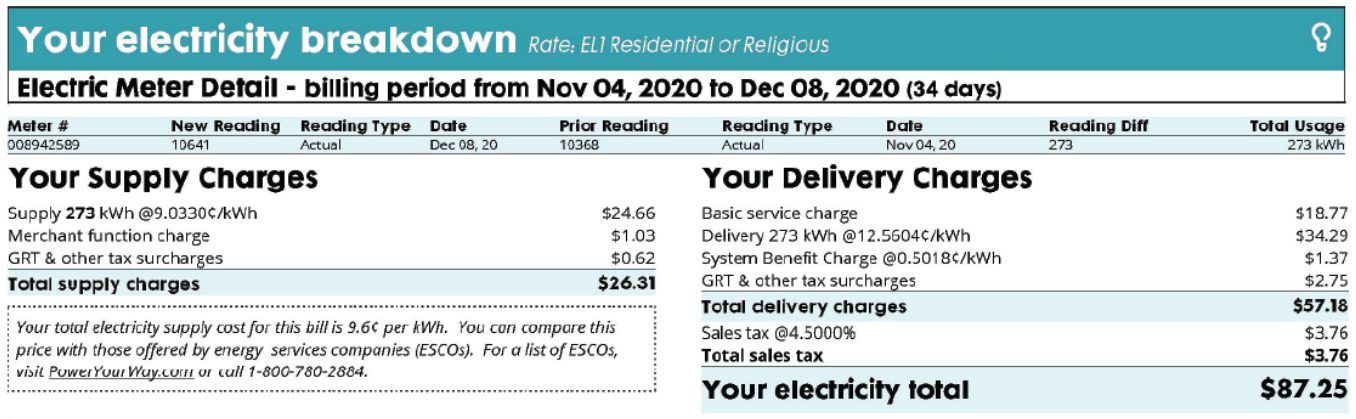
Okay, let's break down the rate a tiny bit more. Your Con Ed bill usually has two main parts to the cost per kWh: the Supply Charge and the Delivery Charge. Think of it like ordering a pizza.
![Con Edison Electric Bill [Rates, Billing Sample, & Charges]](https://www.electricrate.com/wp-content/uploads/2022/03/con-edison-utility-bill-sample.png)
The Supply Charge is the cost of the actual pizza itself – the delicious electricity. Con Ed might buy this on your behalf, or you might choose an alternate supplier. Either way, it's the cost of the actual "stuff." This is the part that really fluctuates based on market conditions.
The Delivery Charge is like the delivery fee for that pizza. It's what Con Ed charges to transport that electricity from the power plant, through their wires and poles (which they have to maintain, fix, and upgrade), and right into your apartment or house. This part is generally more stable but still contributes to your overall per kWh cost. It’s basically paying for the superhighway that brings the electrons to your toaster.
![Con Edison Electric Bill [Rates, Billing Sample, & Charges]](https://www.electricrate.com/wp-content/uploads/2022/03/con-ed-electricity-rates.jpg)
Taming the Electric Beast: Small Victories!
So, what's a savvy New Yorker to do? While we can't control the market price of natural gas or the summer humidity, understanding the rate per kWh can help us make smarter choices. It's like knowing when the grocery store has a sale on your favorite snacks!
Small things add up: unplugging those "vampire" electronics that silently suck power even when off, switching to energy-efficient LED bulbs that sip electricity rather than chug it, and actually remembering to turn off the lights when you leave a room (yes, even that little bathroom light!). Every kWh you save means less money out of your pocket when those rates decide to do their little dance.
Ultimately, Con Ed's electric rate per kWh is a dynamic beast, influenced by global markets, local demand, and even Mother Nature's mood swings. But by understanding the basics, we can move from being passive bill-payers to slightly more enlightened, energy-conscious citizens, ready to face that white envelope with a bit more knowledge – and maybe even a slight, knowing nod.