
Como Se Diferencian Los Pollitos Machos De Las Hembras
.jpg)
Alright, gather 'round, amigos! Let's talk about chickens. Specifically, tiny, fluffy, cheeping chickens: chicks! Ever wondered how farmers (and super curious backyard enthusiasts like yours truly) figure out which ones are going to lay eggs and which ones are, well, not? It's trickier than you think, and sometimes involves skills rivaling a seasoned detective...or a really good guess.
Because let's be honest, when they're that small, they all look like yellow cotton balls possessed by a craving for crumble. You'd think Mother Nature would give us a little help here. Like, maybe embroider a tiny "M" or "F" on their feathery butts. But nooooo, where's the fun in that?
Vent Sexing: The Butt-Checking Olympics
Must Read
The most accurate (and let’s face it, slightly awkward) method is called vent sexing. I know, I know, it sounds like something you’d find in a biology textbook written by a mischievous goblin. Basically, experienced vent sexers (yes, that's a job!) examine the chick's vent, which is, ahem, its rear end. Inside, they look for tiny differences in the cloaca (the, uh, everything-comes-out-of-there spot). Males may have a small bump or a rudimentary phallus. It’s super subtle and requires a lot of practice. You’re talking years of practice, and probably needing magnifying glasses and a whole lot of patience.
Imagine trying to tell the difference between two grains of rice…while they're wiggling. And covered in, well, you know. It's a skill! And honestly, unless you’re planning on starting a massive chick-sexing empire (which, hey, no judgment!), it’s probably best left to the professionals. They are, after all, the unsung heroes of the poultry industry, quietly examining chicken bottoms so we can all enjoy omelets. We salute you, Vent Sexers!
Autosexing Breeds: The Chickens with Built-in Labels
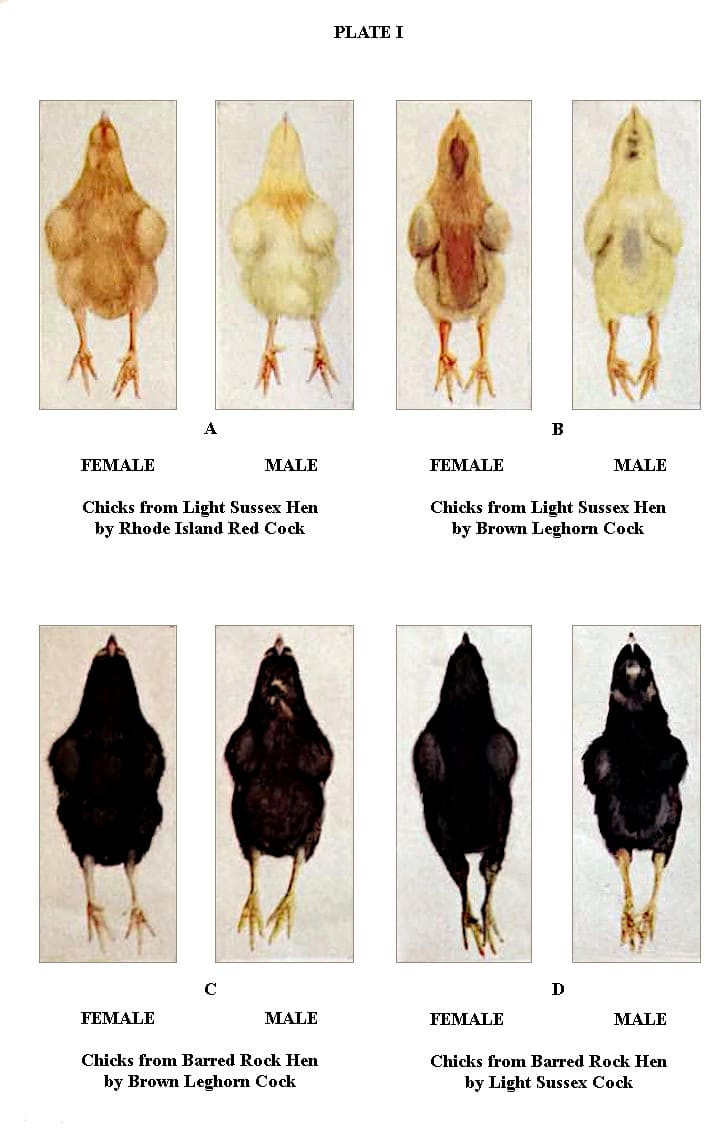
Now, for a slightly less invasive (and less bottom-centric) approach! Some chicken breeds, bless their feathery little hearts, are autosexing. This means the chicks have different coloring or markings based on their gender. It's like they come pre-labeled! Think of it as the chicken equivalent of having blue for boys and pink for girls…except with slightly more nuanced feather patterns. This is usually the result of specific breeding and certain sex-linked genes. This is a lifesaver if you're starting a small flock and want to know roughly how many hens you're getting without getting, um, intimate with their vents.
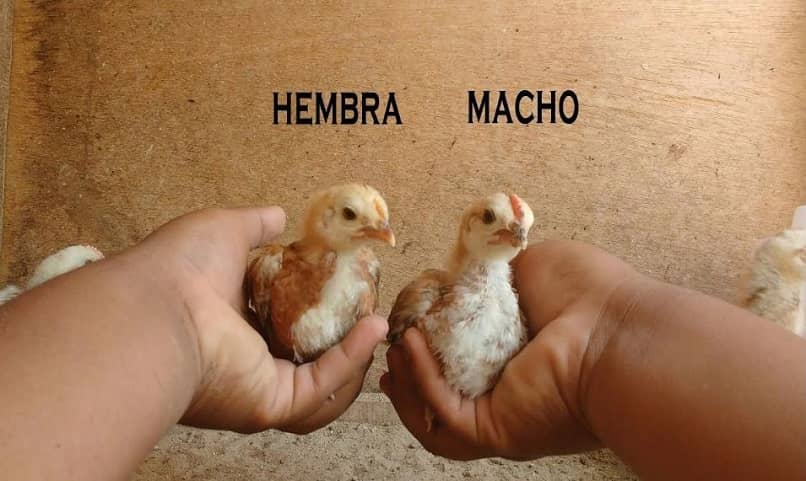
For example, some barred breeds (like Barred Plymouth Rocks) might have chicks where the male chicks have larger, more defined white spots on their heads than the females. It's subtle, but it's there! Just don't bet your life savings on it. Chicken genetics can be trickier than assembling IKEA furniture after a bottle of wine.
Other (Less Reliable) Clues: Because Chickens Like to Keep Us Guessing
Alright, so maybe you're not a vent-sexing wizard, and you haven't opted for autosexing breeds. Fear not! There are other (less scientifically rigorous) ways to try and predict the future of your fluffy friends. Just remember to take these with a grain of (chicken) feed.
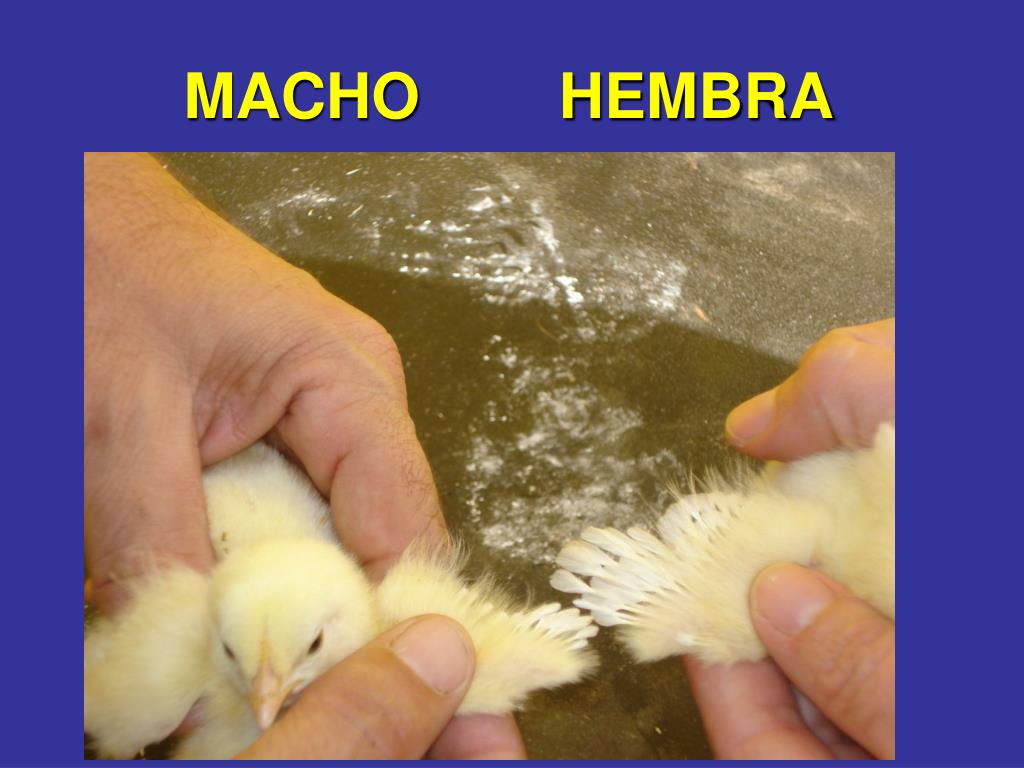
- Wing Feathering: Some folks swear by this one. The theory is that female chicks have longer primary wing feathers than their covert feathers (the little ones covering the base of the bigger feathers) at a young age. Males, apparently, are less coordinated and their feathers grow at a slower pace. It can be helpful, but it's not foolproof. Picture trying to compare the lengths of eyelash hairs on a hummingbird…while it’s flying.
- Behavioral Cues: Okay, this is where we enter the realm of chicken psychology (which, admittedly, is probably less developed than cat psychology). Some say male chicks are more assertive, more likely to be the first to explore, and generally more rambunctious. Female chicks are supposedly calmer and more docile. But let’s be real, some chicks are just born with a little extra sass, regardless of their gender.
- The Crowing Game: This one’s for the patient (and possibly slightly deaf) among us. Male chicks will eventually start trying to crow. It's less a majestic "cock-a-doodle-doo" and more of a pathetic, squeaky attempt at sounding tough. Imagine a toddler trying to roar like a lion. It's adorable, and also a dead giveaway. Of course, you'll have to wait several weeks (or even months!) for this to happen, which is a serious test of your patience.
The Bottom Line (Pun Intended!)
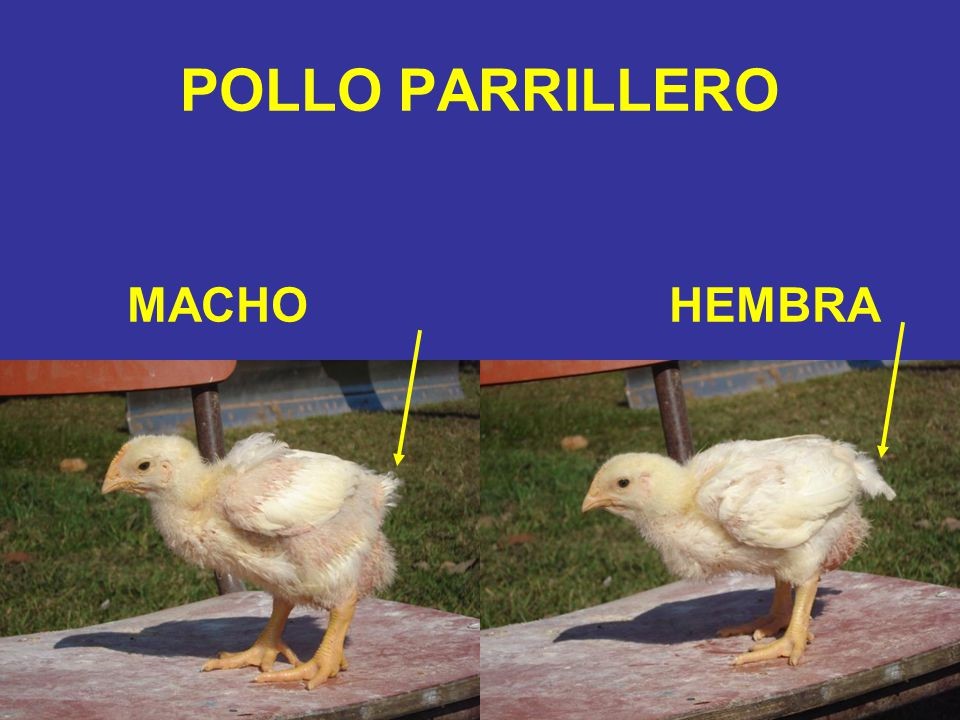
Ultimately, determining the sex of a chick early on can be tricky. Vent sexing is the most accurate, but requires expertise. Autosexing breeds are a great option if you want a head start. And the other methods? Well, they're fun to try, but don’t get too attached to your predictions. Nature has a way of throwing curveballs (or, in this case, chicken eggs). And, hey, even if you end up with more roosters than you planned for, at least you'll have some impressive crowing competitions in your backyard! Besides, who doesn't love a little bit of poultry-related mystery?
So, go forth, chicken enthusiast! Armed with this (hopefully) entertaining knowledge, you're ready to tackle the exciting, occasionally baffling, and always rewarding world of chick sexing. Good luck…and try not to get pooped on.