Commercial Energy Audit Cost Per Square Foot

Have you ever wondered where all your money goes each month? Beyond the rent or mortgage, the groceries, and the occasional splurge, there's a silent drain on your wallet: energy waste. It's the phantom load of appliances plugged in but not in use, the leaky windows whispering away your precious heat, and the inadequate insulation allowing your hard-earned dollars to simply float away. That's where commercial energy audits come in – and lately, they're enjoying a surge in popularity, not just for businesses, but for homeowners too!
While often associated with large buildings and complex systems, understanding the principles behind a commercial energy audit can be incredibly beneficial for artists optimizing their studio spaces, hobbyists setting up workshops, or even just casual learners curious about reducing their environmental impact and lowering their monthly bills. Think of it as a treasure hunt where the prize is energy efficiency and a lighter financial burden.
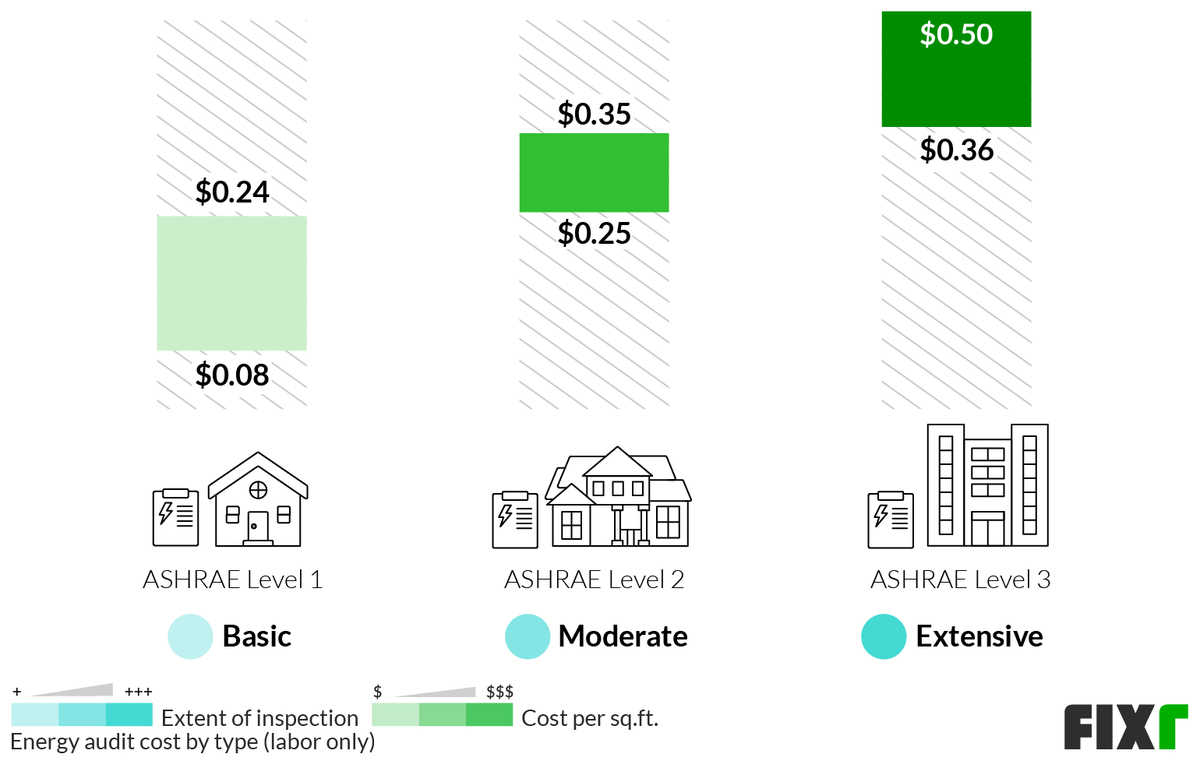
A commercial energy audit essentially breaks down your energy usage, identifying areas of significant waste. Instead of just looking at your total bill, it's like having a detailed map of where every kilowatt is going. Audits come in different “styles.” A basic walk-through audit might identify obvious issues like outdated lighting or poorly sealed windows. A more comprehensive audit uses specialized equipment like thermal imaging cameras to pinpoint heat loss and air leaks. And there are even advanced audits that analyze your building’s systems in detail, offering customized recommendations for improvements like upgrading HVAC equipment or optimizing building controls. The “subjects” covered typically include insulation levels, window efficiency, lighting types, appliance energy consumption, and HVAC system performance. Variations arise depending on the size and complexity of the building being audited, which directly impacts the cost per square foot.
Must Read
While hiring a professional for a full-blown commercial energy audit might not be feasible (or necessary) for your home, you can certainly adapt the principles. Here are a few tips for trying a DIY version at home:
- Become a Detective: Walk through each room, noting potential energy hogs. Are your windows drafty? Are your appliances Energy Star certified?
- The Lighting Test: Switch out incandescent bulbs for energy-efficient LEDs. The difference is significant!
- Seal the Deal: Caulk and weatherstrip around windows and doors to prevent air leaks. You’ll be amazed at the impact.
- Unplug and Save: Unplug electronic devices and chargers when not in use. That phantom load adds up!
- Home Energy Monitors: Consider investing in a home energy monitor to track your real-time energy consumption and identify surprising energy guzzlers.
Ultimately, understanding the principles of a commercial energy audit isn't just about saving money; it's about taking control of your energy consumption and contributing to a more sustainable future. It's an empowering experience to realize that even small changes can make a big difference. Plus, there's a certain satisfaction in knowing you're not throwing money out the window – literally! So, grab your metaphorical magnifying glass and embark on your own energy-saving adventure. You might be surprised at how enjoyable and rewarding it can be.