
Collimators Limit The Size And Shape Of The
Okay, picture this: I’m trying to herd cats. Literal cats. All fluffy, adorable, and completely uninterested in going in the same direction. Total chaos, right? That, my friends, is what happens when you don't have something to control the spread.
And that, in a roundabout way, is what collimators are all about. They’re the herders of the subatomic world. Instead of fluffy felines, they're dealing with beams of light (or other stuff, but let's keep it simple for now). Instead of a frustrated human (that's me), you've got cleverly designed devices. Basically, they keep things nice and tidy.
So, What Is a Collimator Anyway?
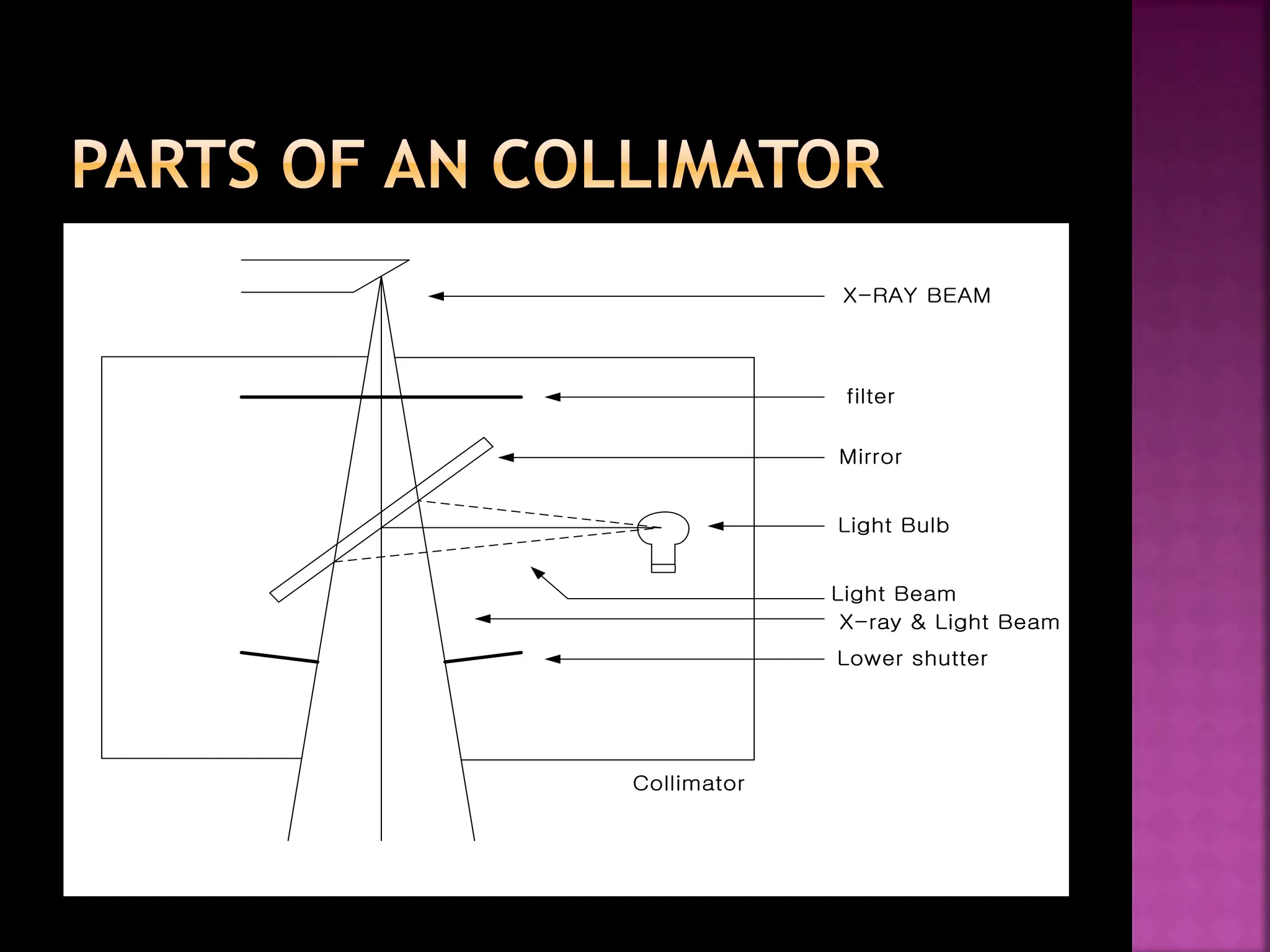
Think of a flashlight. When you focus the beam, you're essentially doing what a collimator does. A collimator is a device that takes a diverging (spreading out) beam of light, particles, or even sound waves and turns it into a parallel, or near-parallel, beam. It limits the size and shape of the beam, forcing everything to travel in roughly the same direction.
Must Read
Imagine a laser pointer versus a regular light bulb. The laser is already collimated - it’s a tight, focused beam. The light bulb, not so much. It’s radiating light everywhere! A collimator takes that scattered light and forces it into something more laser-like. (Okay, not actually laser-like, but you get the idea.)
Basically, it’s like the bouncer at a really exclusive club for photons. "Nope, you're not aligned? Get outta here!"
Why Do We Even Need Them?
Good question! Why bother herding photons in the first place? Turns out, there are tons of applications. The main reason? Precision. A collimated beam is much more predictable and controllable.
Think about it: Imagine trying to aim a weapon if the bullets sprayed out in every direction. Useless, right? Same principle applies here.
Here are a few places you might find collimators lurking:
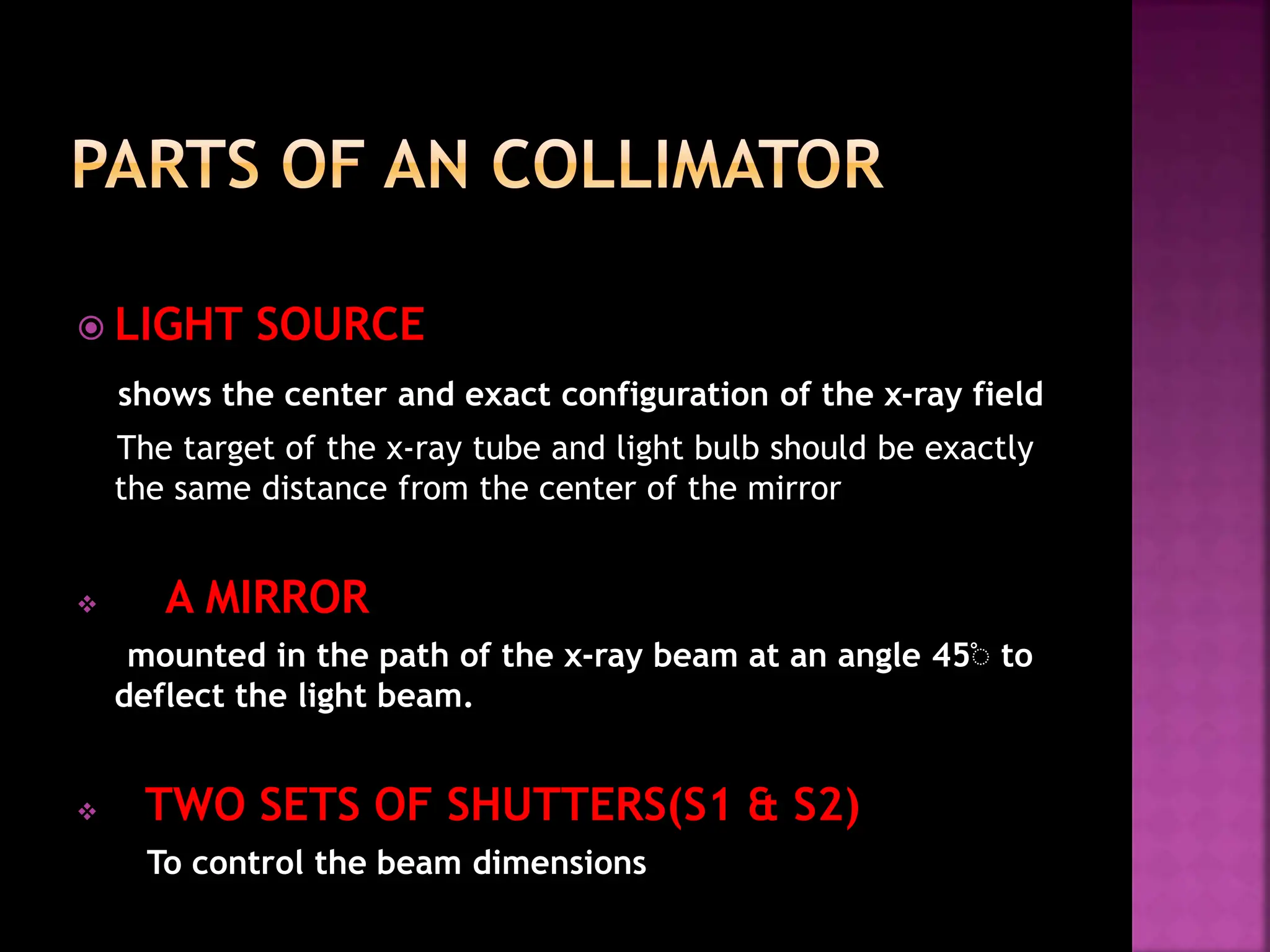
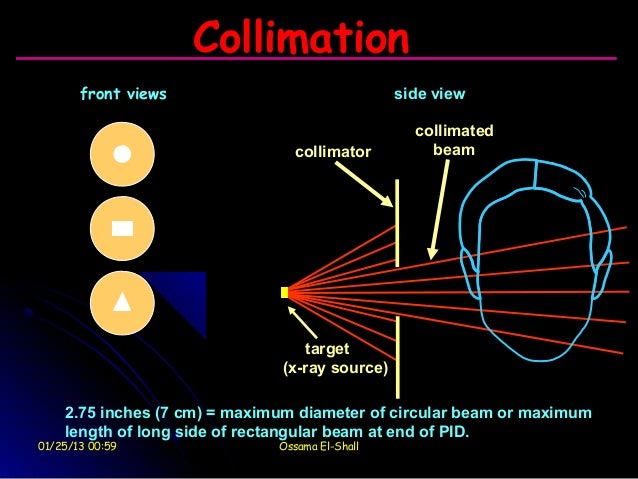
- Medical Imaging: In X-ray machines and other imaging devices, collimators help to focus the radiation, minimizing the patient's exposure and producing clearer images. Less scatter = better picture.
- Telescopes: They're crucial for aligning the optics in telescopes, ensuring you get a crisp view of distant stars. After all, you don't want blurry space pics, do you?
- Spectroscopy: In scientific instruments that analyze light, collimators are used to create a well-defined beam for accurate measurements. Precision is key when you're trying to figure out what stars are made of.
- Laser Technology: Lasers themselves often use collimators (or are inherently collimated). The tight beam is what makes lasers so useful for everything from barcode scanners to laser surgery.
The applications really are endless. Anywhere you need a controlled, focused beam of something, you’ll probably find a collimator doing its thing.
How Do They Work? It's Not Magic, I Promise.
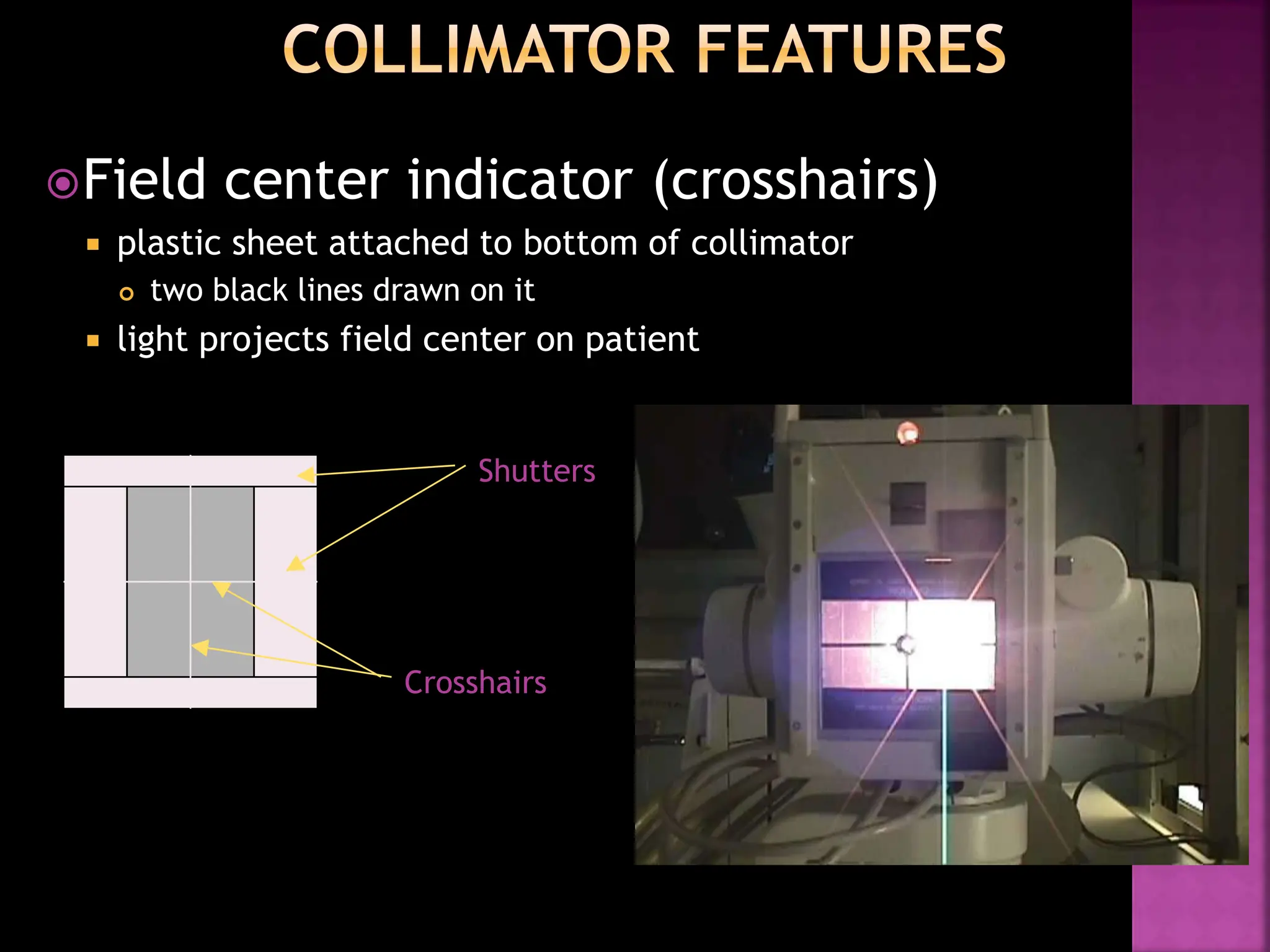
There are a few different types of collimators, but the basic principle is usually the same: They use lenses, mirrors, or a combination of both to redirect the diverging rays into a parallel path.
Think of a magnifying glass focusing sunlight into a tiny, burning spot. A collimator does the opposite of that, taking light from a source and making it travel straight, instead of converging.
Some collimators use simple apertures (holes) to block out unwanted rays. It's a bit like using a stencil - only the light that passes through the hole makes it into the final beam. This isn't as efficient as using lenses or mirrors, but it's often simpler and cheaper.
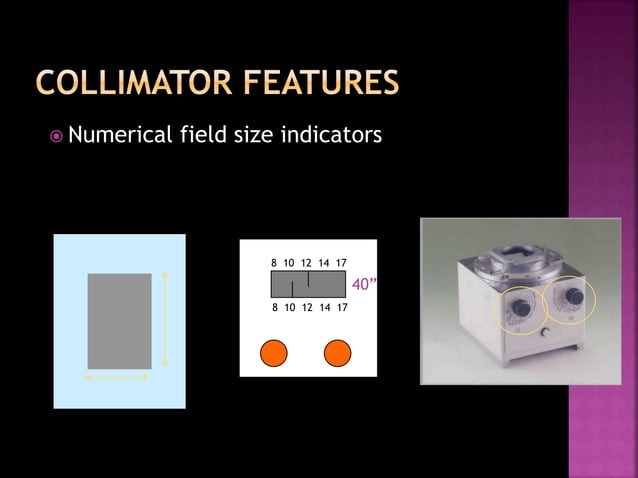
Collimators: Unsung Heroes of the Beam World
Collimators may not be the flashiest devices, but they play a vital role in a huge range of technologies. They're the silent guardians of focused beams, ensuring that everything from medical imaging to space exploration runs smoothly. They may not get the glory, but without them, our world would be a lot more… scattered. (Pun intended, naturally.)
So, next time you see a laser pointer or get an X-ray, take a moment to appreciate the humble collimator, diligently keeping things in line. It's a small device with a big impact. And a lot less stressful than herding cats, I can assure you!
Just a thought: Maybe we should start calling people who are easily distracted "diverging beams." Now that would be fun.