Coal Where Does It Come From
Ever found yourself gazing at a lump of coal and wondering about its story? It might seem like just a plain black rock, but coal holds a remarkably ancient and captivating history, stretching back millions of years. Understanding where this fundamental energy source comes from is like being a detective, uncovering one of nature's longest-running secrets – a tale woven from vast primeval forests, swampy landscapes, and immense geological pressure. It's a direct link to a past almost beyond imagination, right there in your hands.
This fascinating journey isn't just for geology experts! For everyday readers, grasping the origin of coal offers a brilliant window into how our planet works and how energy has been stored over eons. If you're a beginner curious about natural resources, it’s a fundamental lesson in Earth's carbon cycle and the slow, powerful process of energy formation. Families can transform it into an engaging discussion about ancient life and environmental changes, making museum visits even more meaningful. For hobbyists – perhaps budding rock collectors or history enthusiasts – knowing the deep time journey from ancient plant to solid fuel adds an incredible layer of appreciation to the industrial revolution and the very ground we walk on.
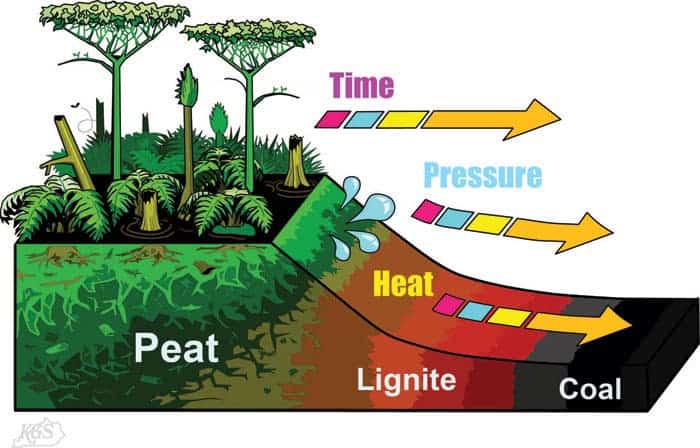
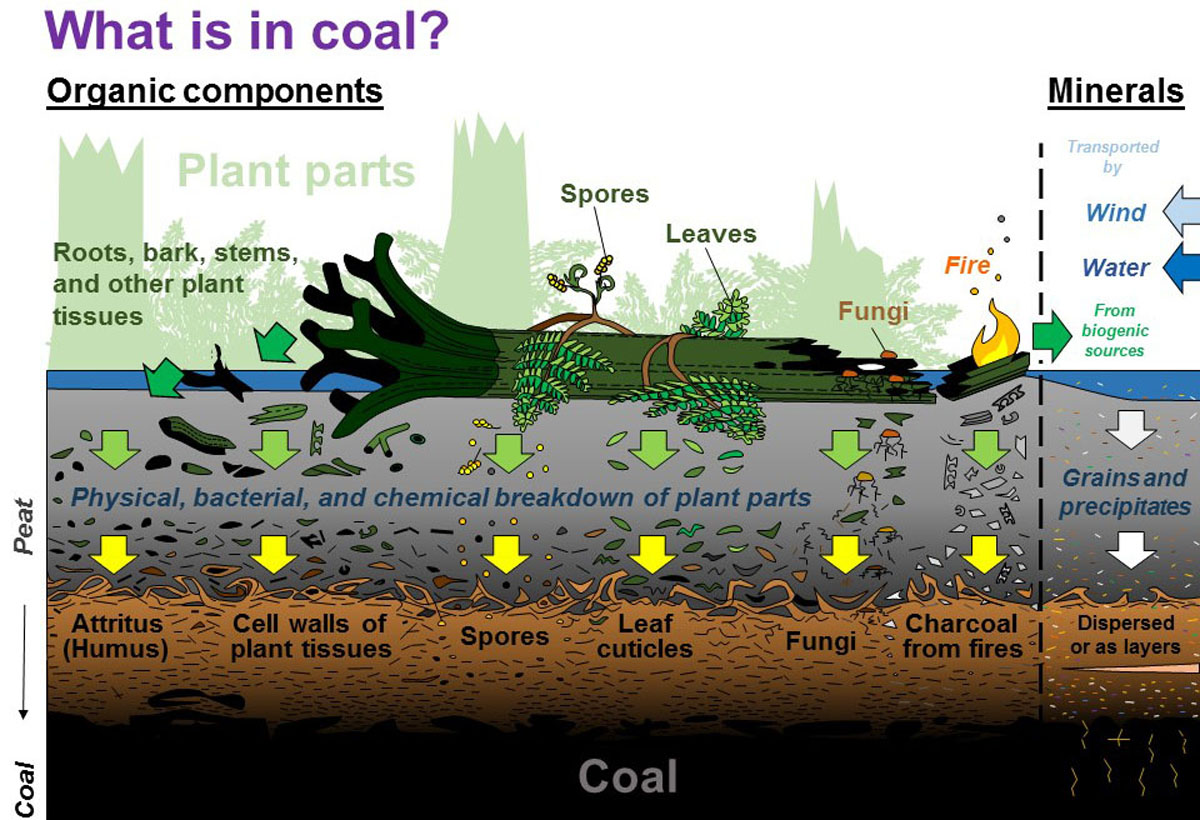
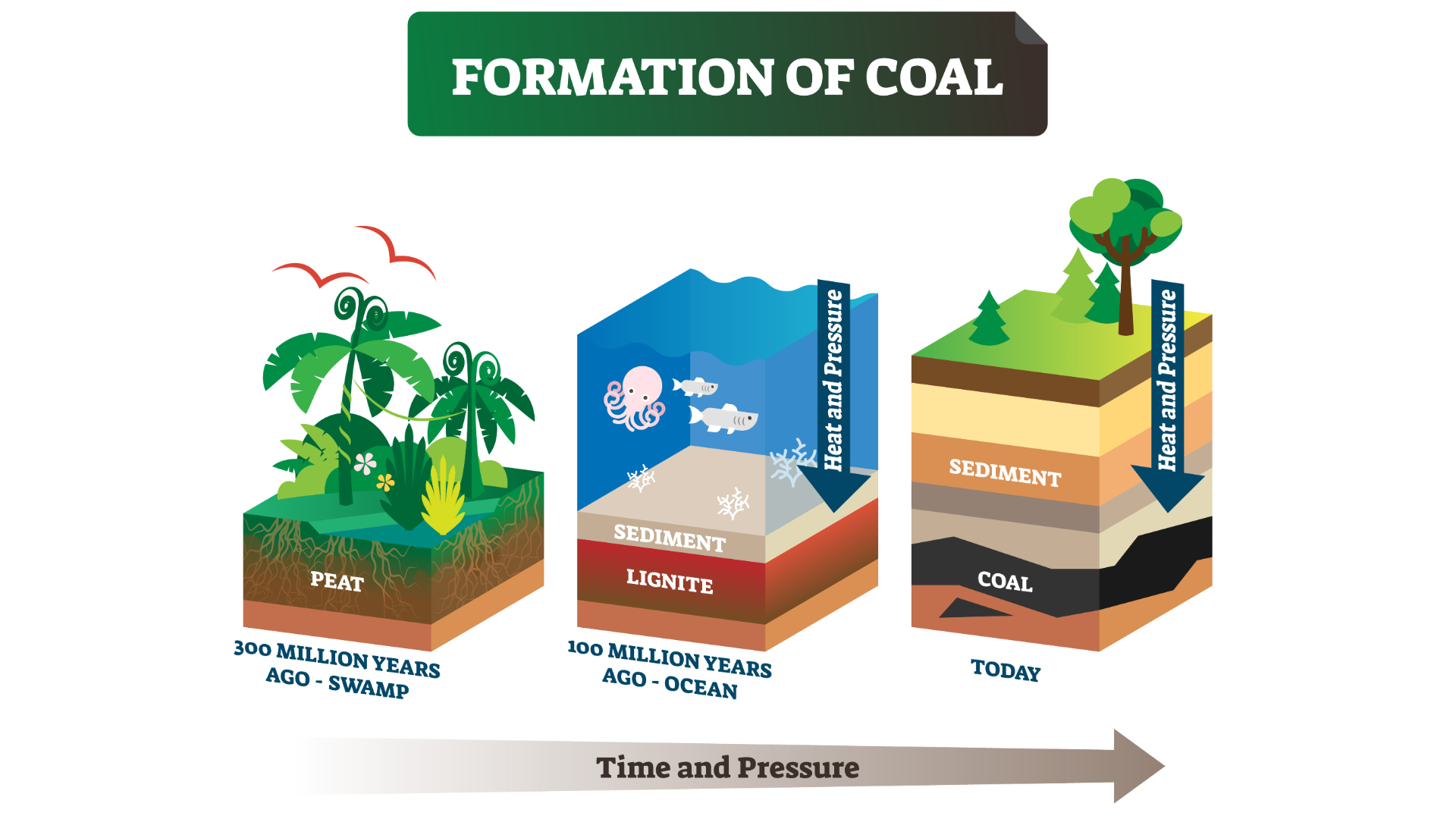
Coal isn't a single, uniform rock; it boasts a fascinating evolutionary path, each stage reflecting different conditions and timeframes. It all begins as peat, the mushy, partially decayed plant matter you might find accumulating in bogs today. Over millions of years, as layers of sediment pile on top, this peat gets increasingly compressed and heated, slowly transforming into lignite, a softer, brownish coal. With even more time, greater pressure, and higher temperatures, it becomes bituminous coal – the most common type, widely used for electricity generation. The grand finale, under the most extreme geological conditions, is anthracite, a hard, shiny, and very clean-burning coal, representing the peak of this natural transformation. Each type tells a unique story of increasing maturity and energy density, showcasing nature's incredible ability to recycle and reshape organic matter.
Must Read
Curious to delve deeper into coal's ancient tale? Getting started is wonderfully simple! One of the best ways is to visit a local natural history or science museum; many feature excellent geology exhibits that vividly explain coal formation with interactive displays, diagrams, and real samples. You could also pick up an accessible book or watch a documentary about Earth's history, ancient environments, or fossil fuels – there are countless engaging resources designed for general audiences. Even just paying attention to the layers and textures in rocks you might encounter on a walk or hike can spark your imagination about the incredible, slow-motion processes that continually shape our world. Don't be afraid to explore!
So, the next time you encounter a piece of coal, remember it's far more than just a black rock. It's a tangible testament to millions of years of Earth's slow, powerful processes – a direct connection to ancient jungles, mighty rivers, and the immense forces that continually shape our planet. Understanding where it comes from offers a unique blend of history, environmental science, and a much deeper appreciation for the complex, living world beneath our feet. It's truly a story worth uncovering, full of wonder and discovery, inviting us all to look a little closer.