Ever felt like some things are intentionally designed to be mysterious? Like the instructions for assembling flat-pack furniture, or the exact rules of cricket? Well, step right up, because today we're peeking behind the curtain of something equally intriguing, but far less infuriating: the secret handshake of the machining world, CNC Lathe G-Codes and M-Codes.
Imagine a giant, super-precise robot arm spinning a chunk of metal or plastic. It's making car parts, intricate jewelry, or even components for spaceships. This incredible machine is a CNC Lathe. And how does it know what to do? Through a language of its own, of course! A language that, I'm here to bravely declare, isn't half as scary as it sounds. In fact, it's rather charmingly logical.
The Grand Choreography of G-Codes
First up, we have the magnificent G-Codes. Think of these as the machine's primary movement instructions. If a CNC Lathe were a dance partner, the G-codes would be telling it to 'waltz forward,' 'spin gracefully,' or 'quick-step to the side.' They're all about geometry and motion, dictating exactly where the cutting tool should go and how fast it should get there.
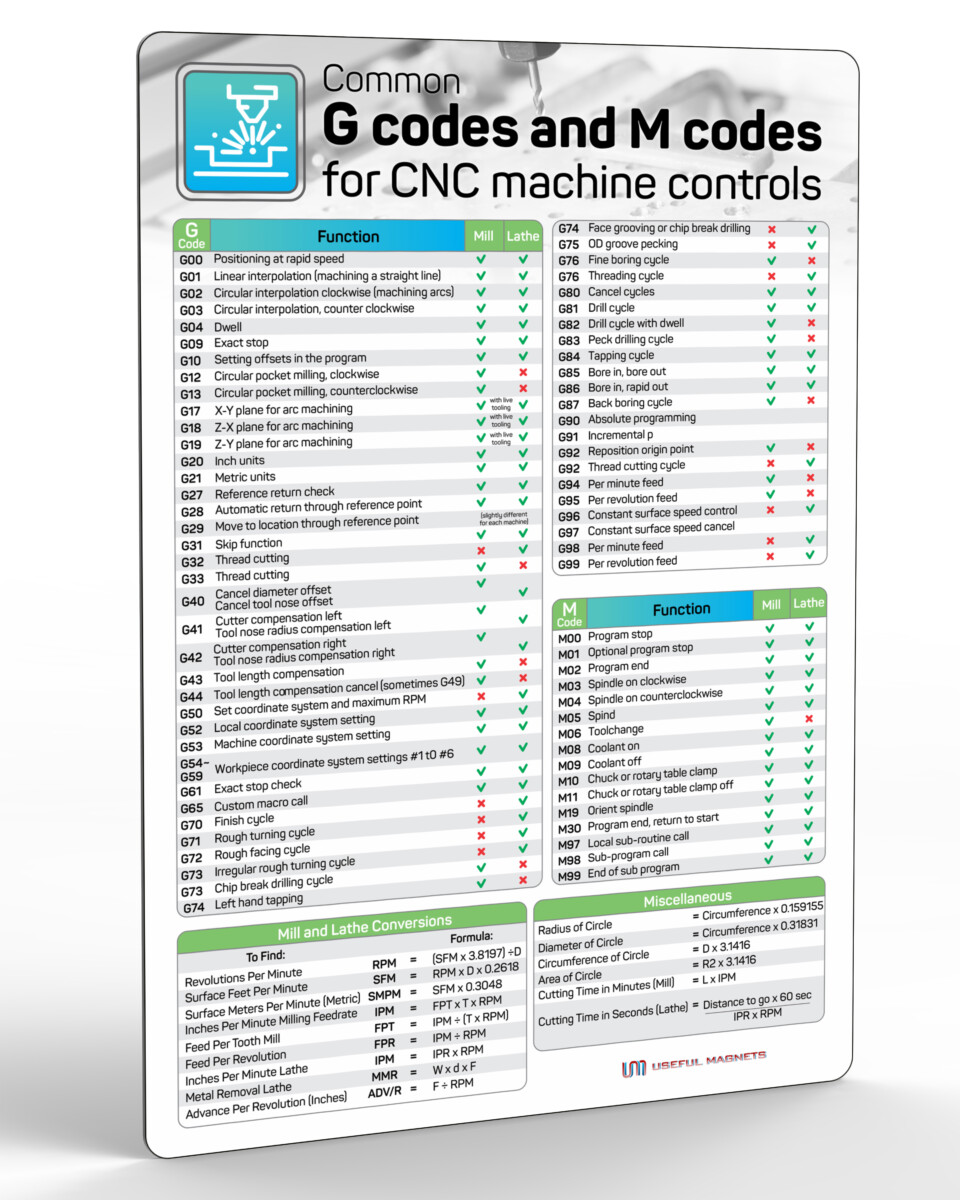
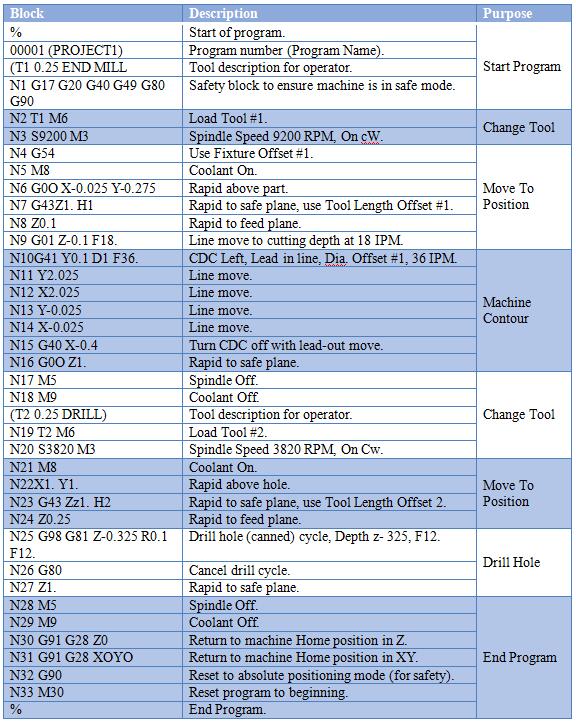
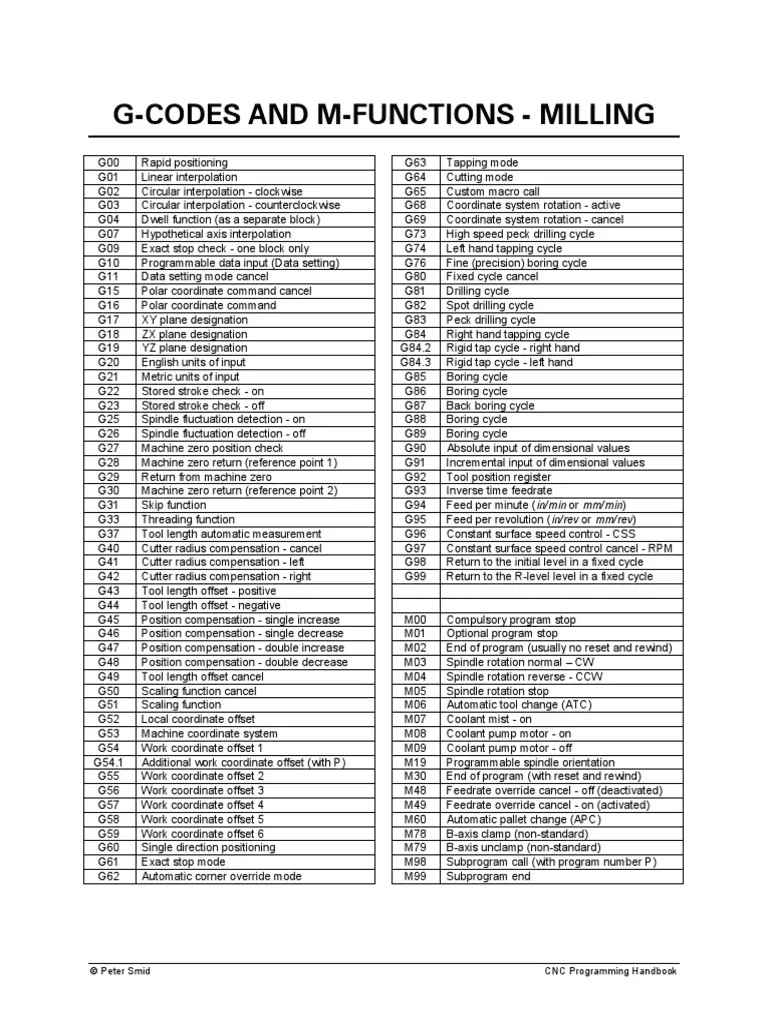
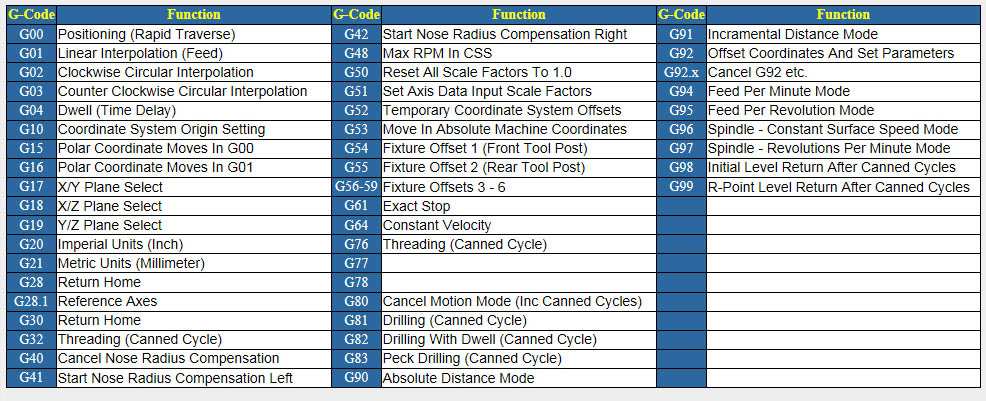
G00: The Warp Speed Command! This code tells the machine, "Get there, and get there now, but don't touch anything!" It’s for rapid, non-cutting moves. Like when you quickly move your hand across the table without bumping your coffee. It's all about efficiency, not finesse.
G01: The Careful Crawl. Ah, G01. This is the polite, 'slow and steady wins the race' command. It's for actual cutting. "Move here, but cut precisely along the way." Much like carefully slicing a cake or meticulously drawing a straight line. This is where the magic happens!
G02 & G03: The Fancy Circles. For the really artistic stuff, we have G02 and G03. These are the 'make a perfect circle or arc' commands. One goes clockwise (G02), the other counter-clockwise (G03). Imagine drawing perfect arcs without a compass – these codes handle it with effortless grace.
The Mighty Management of M-Codes
Next, we have the equally charming and incredibly useful M-Codes. If G-codes are about where and how to move, M-codes are all about the machine's actions and miscellaneous functions. They're like the remote control buttons for all the extra bells and whistles, managing the machine's environment and components.
An Overview of G-Code and M-Code Used in CNC Machining - Runsom Precision
Here are some of my favorite M-Code maestros:
M03 & M04: The Spindle Starts! These tell the spindle – the part that spins your workpiece – to "start turning!" One goes clockwise (M03), the other counter-clockwise (M04). They get the party started, preparing the material for its transformation.
What Are G and M Codes? | CNC G‑Code & M‑Code Explained
M05: The Spindle Stops! And when it’s time to pause, switch tools, or admire your work? M05 says, "Spindle off, please!" Very straightforward, very polite.
M08 & M09: Coolant Control. Want to keep things cool and prevent overheating? M08 shouts, "Coolant on!" squirting fluid to lubricate and cool the cutting area. And when you're done, M09 calls out, "Coolant off!" No mess, no fuss.
M30: The Grand Finale. Finally, M30 is the polite way of saying, "Alright everyone, show's over! End of program, reset, and get ready for the next one." It neatly ties up the whole operation, making sure the machine is ready for its next masterpiece.
CNC Mach 3 G & M Code Lathe Reference - Steven Rhine - Rhine Labs Blog
My Bold, Potentially Unpopular Opinion
Now, here's my potentially unpopular opinion. Many people hear "G-Codes" and "M-Codes" and picture ancient hieroglyphs or the inside of a supercomputer. They think it's utterly baffling, reserved only for engineering wizards in white lab coats. But I'm here to tell you, with a mischievous grin, that they're not! Not really.
Sure, they look like a jumble of letters and numbers at first glance. It's like staring at a foreign language textbook. But once you learn a few key phrases, a pattern emerges. It’s remarkably logical. Each code has a clear, specific job. It's like learning the commands for a very obedient, incredibly powerful robot. You don't need to be a rocket scientist to grasp the basics. You just need a bit of curiosity and perhaps a willingness to see past the initial "geek speak." It's less "alien spacecraft operating manual" and more "extremely detailed IKEA instruction booklet" – just for a robot that makes amazing things.
So, the next time you hear someone fret about CNC programming, just offer them a knowing wink. Tell them it's simply a language, a precise set of instructions, and frankly, a rather elegant way to communicate with a machine that turns raw materials into marvels. Who knew that G-Codes and M-Codes could be so... charming?