Classify The Energy Sources As Renewable Or Nonrenewable

Let's talk energy! You might be thinking, "Energy? That sounds boring!" But trust me, understanding where our energy comes from is like uncovering the secret ingredient in your favorite recipe. It's not just interesting, it's super useful – especially when we're trying to make smart choices for our planet and our wallets. We're going to classify energy sources as either renewable or nonrenewable, and it's easier than you think!
So, why bother learning about this stuff? Well, for beginners, it's a great way to understand the basics of how the world works. Think of it as unlocking a new level in the "Adulting" video game! For families, it’s a fantastic opportunity to discuss important environmental issues and teach kids about sustainability. Imagine having a family debate about the pros and cons of solar power versus fossil fuels – way more fun than arguing about screen time! And for hobbyists interested in things like camping or DIY projects, knowing about energy sources can open up a whole new world of possibilities. Ever thought about building your own solar-powered charger for your camping trips?
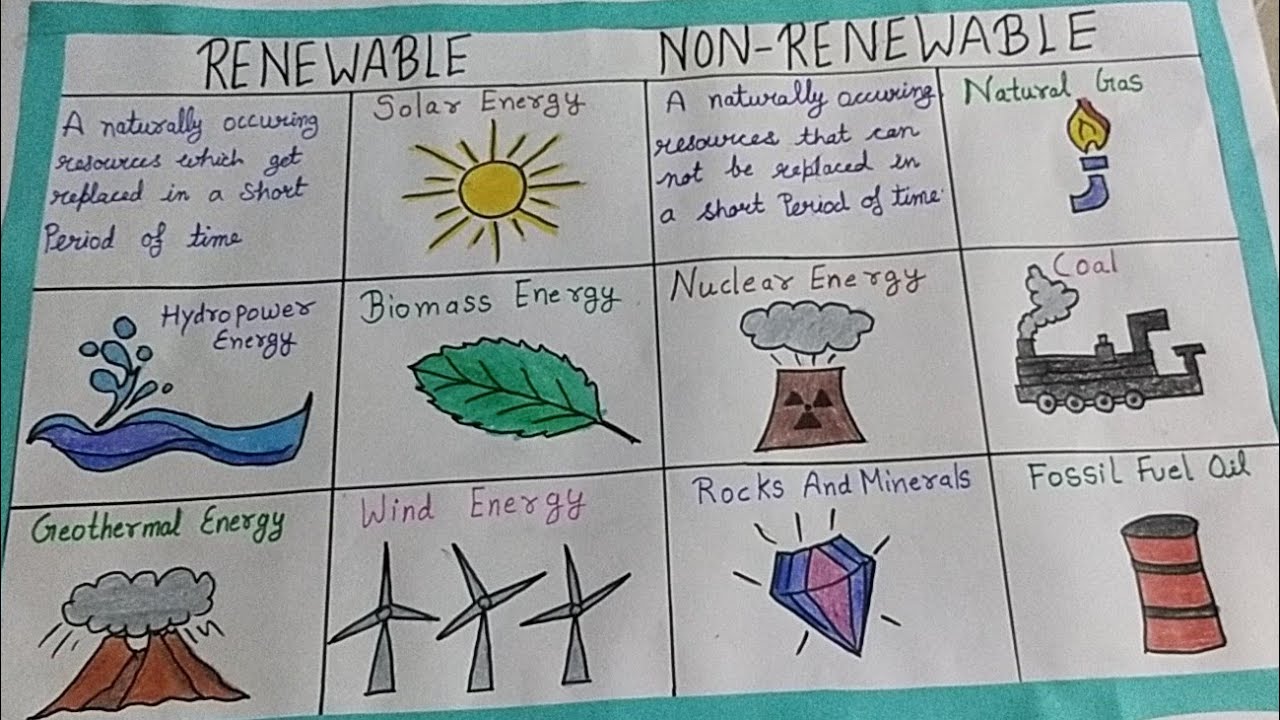
The key difference boils down to this: renewable energy sources are naturally replenished, meaning they won't run out (at least not in our lifetime!). Nonrenewable sources, on the other hand, are finite – once we use them up, they're gone. Think of it like this: renewable is like your garden that keeps producing vegetables, while nonrenewable is like a candy bar you eat once and it's finished.
Must Read
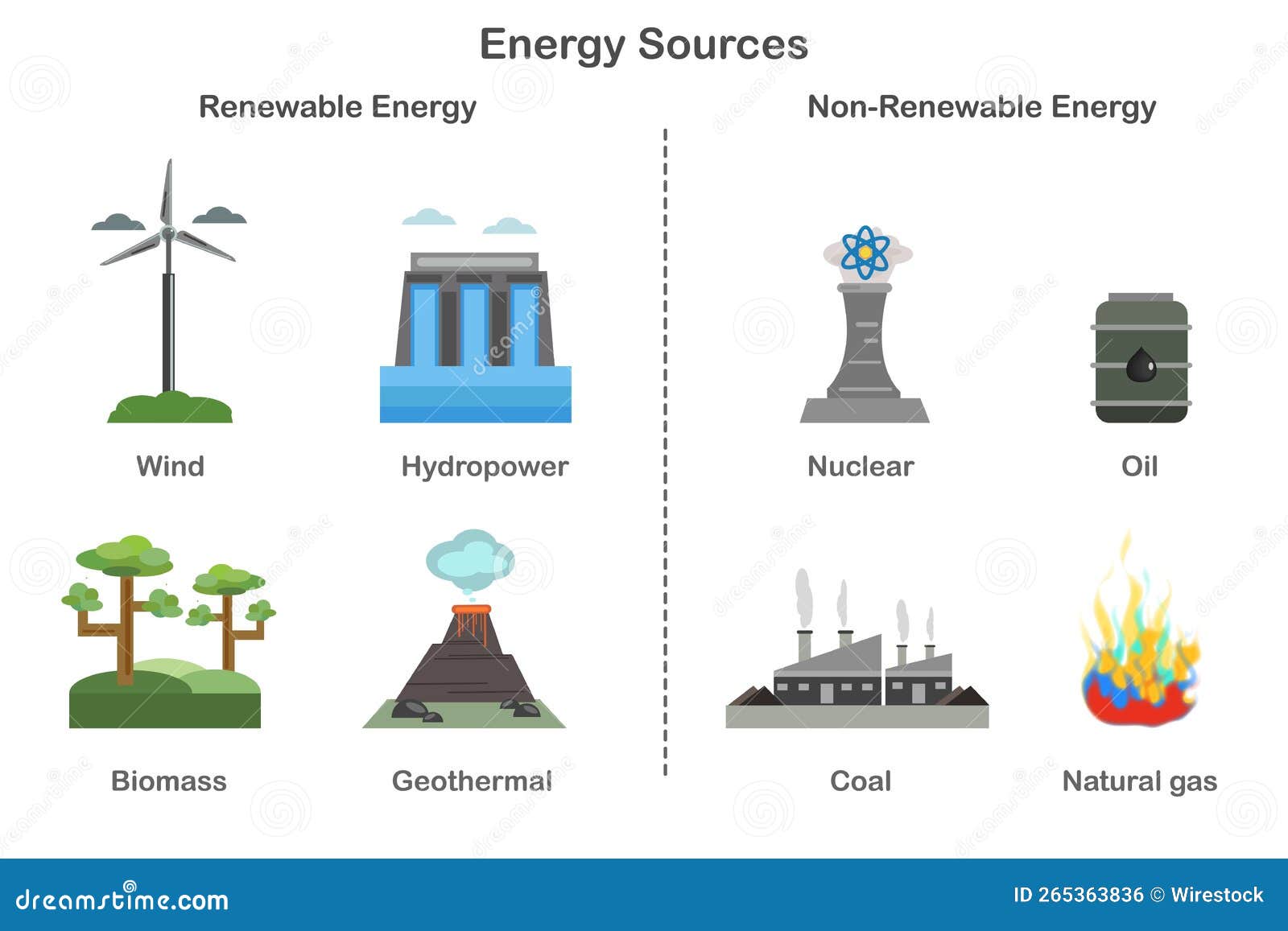
Let's look at some examples. Solar power, which harnesses the sun's energy, is a classic example of a renewable resource. So is wind power, using wind turbines to generate electricity. Hydropower, derived from the power of moving water, also falls into this category. Other renewable sources include geothermal energy (from the Earth's internal heat) and biomass energy (from organic matter like wood and crops).
On the nonrenewable side, we have fossil fuels like coal, oil, and natural gas. These fuels were formed over millions of years from the remains of ancient plants and animals. Nuclear energy, while not a fossil fuel, is also considered nonrenewable because it relies on uranium, a finite resource extracted from the Earth. It's important to consider the entire life cycle and environmental impact of each energy source when categorizing it as fully renewable or non-renewable.
Want to get started on learning more? Here are a few simple tips:
- Start small: Focus on one or two energy sources at a time. Research their pros, cons, and how they're used.
- Visit local resources: Check out your local library for books and articles about energy.
- Watch documentaries: There are tons of engaging documentaries about renewable energy and climate change.
- Talk to experts: Reach out to local environmental organizations or energy companies to learn from the pros.
Understanding the difference between renewable and nonrenewable energy sources is not just about science; it's about empowering yourself to make informed decisions and contribute to a more sustainable future. It's a fascinating journey with plenty to discover, and even small steps can make a big difference. So dive in, explore, and enjoy the power of knowledge!