
Choose All The Reasons Venous Return Increases During Exercise
Okay, let's talk about something that sounds super science-y but is actually really cool and affects you every time you, say, chase after the ice cream truck. It's called venous return. Basically, it's how much blood your veins are managing to get back to your heart. And during exercise, it goes into overdrive. Think of it like this: your heart is the DJ, and your veins are the dance floor. The more dancers (blood) that make it onto the floor (heart), the better the party (exercise) is!
So, why does this whole venous return thing crank up during a workout? Well, it's a team effort, really. Several things are working together to make sure your heart gets all the blood it needs to keep you powering through that Zumba class, hiking trail, or even just a really enthusiastic game of tag with your kids.
The Muscle Pump: Your Internal Squeeze Toy
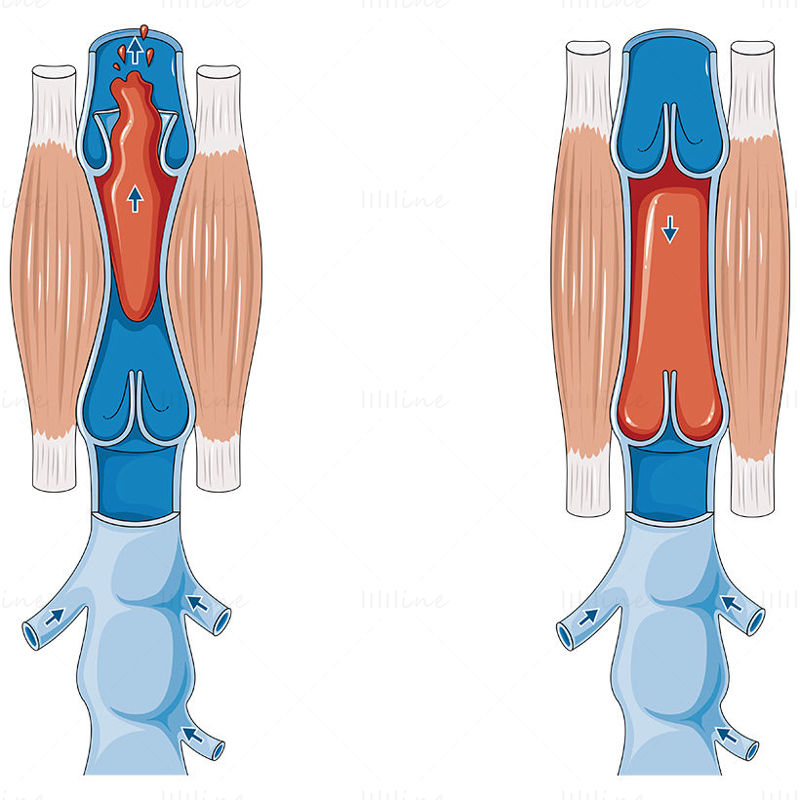
Imagine you’re squeezing a tube of toothpaste. That’s kind of what your muscles do to your veins when you’re exercising. As your muscles contract and relax, they literally squeeze the veins running through them. This squeezing action pushes the blood forward, back towards your heart.
Must Read
Think about doing bicep curls. Every time you lift that weight, your bicep muscle contracts, pinching those veins and shooing the blood up. Then, when you lower the weight, the muscle relaxes, but tiny little valves inside your veins prevent the blood from flowing backward. Pretty neat, huh? It's like a one-way street for blood traffic!
Respiratory Pump: Your Breathing Powerhouse
Ever notice how your breathing gets deeper and faster when you're exercising? That’s not just to get more oxygen; it also helps with venous return! When you inhale, the pressure in your chest cavity decreases, which creates a sort of vacuum effect. This vacuum gently sucks blood from the veins in your abdomen towards your heart.

Picture this: you're using a straw to drink a milkshake. When you suck on the straw, you're creating negative pressure, and the milkshake rushes upwards. Your breathing does something similar, pulling blood up into your chest and back to your heart.
And exhale? That increases pressure in your chest, which gently pushes blood onwards to the heart. In, suck. Out, push. Over and over again. Your respiratory system is a surprisingly effective blood-moving machine!
Venoconstriction: Veins Getting in Shape
Veins aren’t just passive pipes. They can actually constrict, meaning they get narrower. During exercise, your sympathetic nervous system (the "fight or flight" part of your brain) tells your veins to constrict. This reduces the volume of blood that the veins can hold, effectively increasing the pressure within them and pushing more blood back to the heart.
It’s like squeezing a water balloon. If you squeeze the balloon, the water inside has nowhere to go but out the opening. Venoconstriction does the same thing, making sure the blood gets where it needs to be.
Why Should You Care? (Besides Chasing Ice Cream Trucks)
Okay, so you know how venous return increases during exercise. But why should you even care? Well, efficient venous return is crucial for a number of reasons.

First, it ensures your heart has enough blood to pump out to your working muscles. Your muscles need oxygen and nutrients to keep going, and that comes from the blood. Without enough blood returning to the heart, it can't pump enough out to your muscles, and you'll tire out faster.
Second, good venous return helps maintain your blood pressure during exercise. If blood pools in your legs (which can happen if venous return isn't working well), your blood pressure can drop, making you feel dizzy or faint. Not fun when you're trying to beat your personal best on the treadmill!

Third, and perhaps most importantly, efficient venous return is a sign of a healthy cardiovascular system. It means your muscles, veins, and respiratory system are all working together like a well-oiled machine. And a healthy cardiovascular system means a longer, healthier, and more active life for you!
So next time you're exercising, take a moment to appreciate all the hard work your body is doing to keep the blood flowing. You might even want to give your veins a little internal "thank you" – they deserve it!
In summary, venous return increases during exercise because of the combined efforts of the muscle pump, the respiratory pump, and venoconstriction. This ensures your heart gets enough blood to power your workout, maintain your blood pressure, and keep your cardiovascular system healthy. Now, go forth and exercise with the knowledge that your veins are working hard for you!