Chemical Structure Of High Density Polyethylene

Ever wonder why that milk jug feels so different from a flimsy grocery bag? Or why some plastic toys are super durable while others crack easily? The secret lies in the fascinating world of polymer chemistry, specifically, the chemical structure of High-Density Polyethylene (HDPE). Don't let the scientific name scare you! Understanding a little about HDPE's structure can unlock a whole new appreciation for the everyday objects around you. It's like having a secret code to understanding the plastic world!
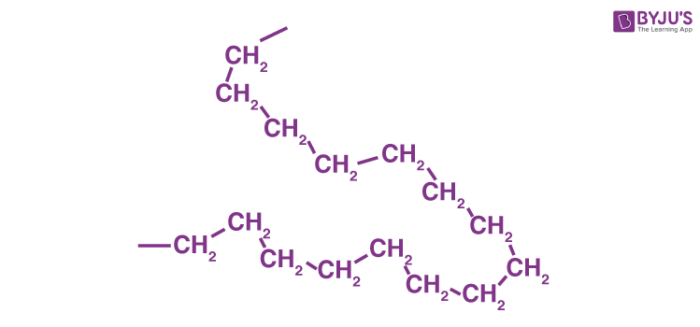
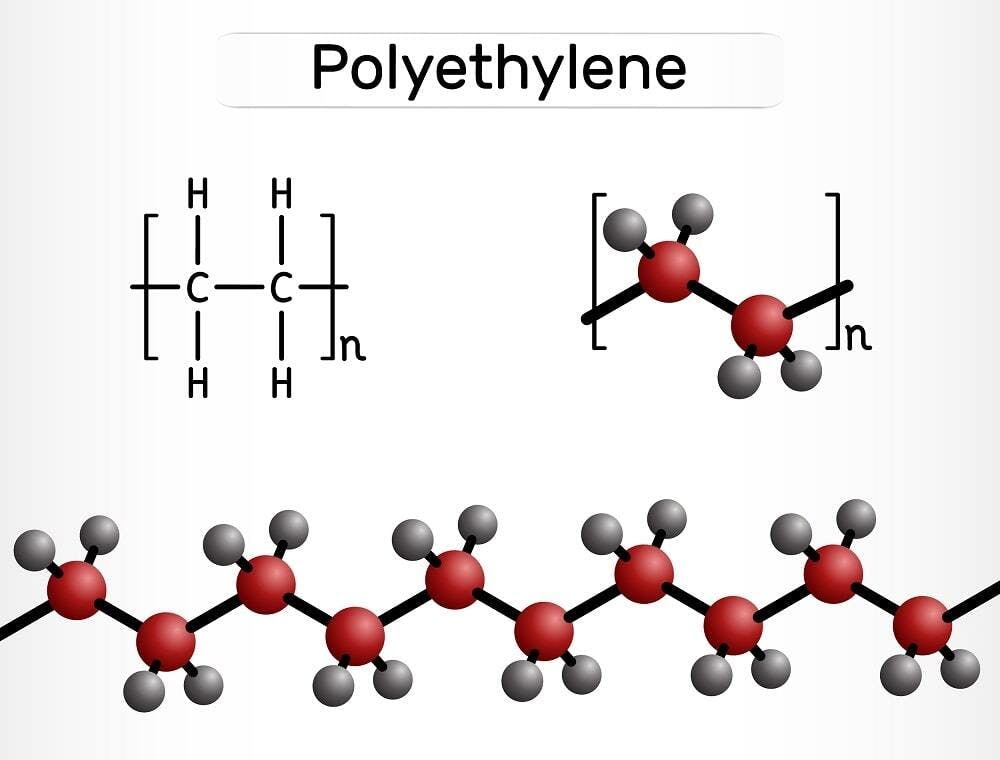
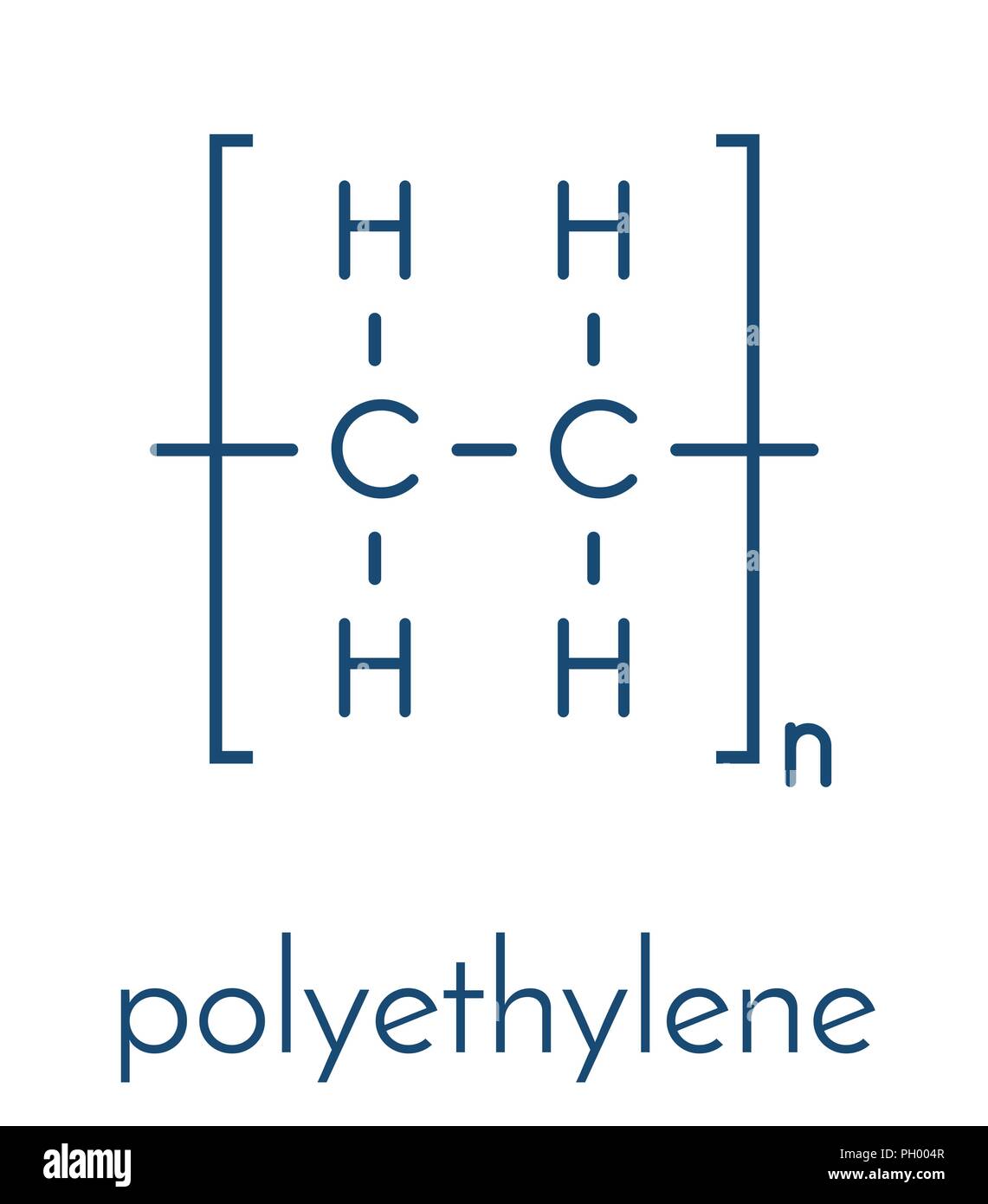
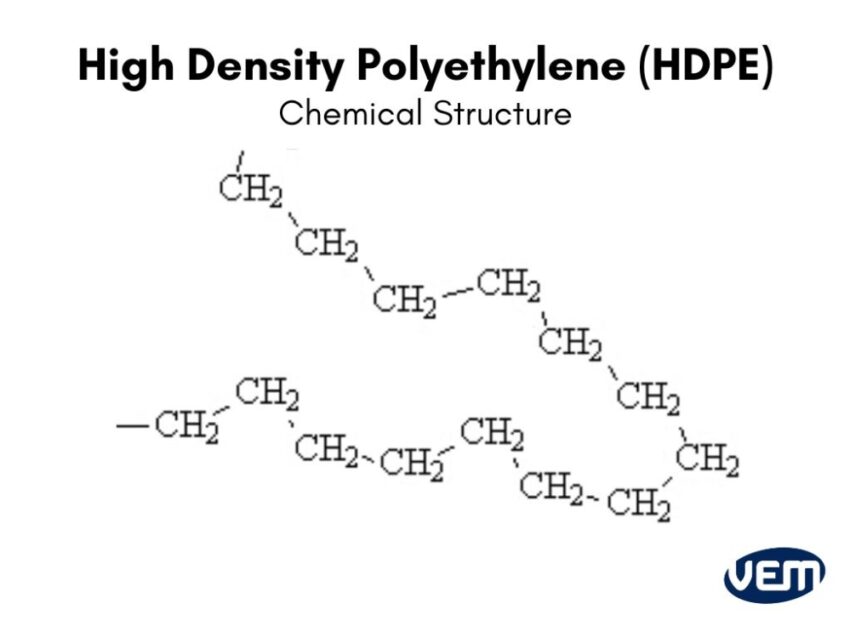
So, what's the big deal about HDPE's structure? Well, for beginners, it's all about understanding the basics. HDPE is made up of long chains of repeating units called ethylene (two carbon atoms linked together with four hydrogen atoms). Think of it like a long, long train of identical cars, each car being an ethylene unit. What makes HDPE “high-density” is that these chains are very straight and packed tightly together. Imagine neatly stacking spaghetti – that's kind of what's going on at a molecular level.
For families, knowing about HDPE means understanding the safety and recyclability of the things you use every day. HDPE is food-safe, which is why it's used for milk jugs, juice bottles, and food storage containers. It's also highly recyclable (look for the #2 recycling symbol!), so understanding its value can encourage more responsible recycling habits. Thinking about building a backyard sandbox? HDPE lumber is a durable, weather-resistant option made from recycled HDPE!
Must Read
For hobbyists and DIY enthusiasts, the chemical structure of HDPE can be incredibly useful. Its strength, flexibility, and resistance to chemicals make it a fantastic material for a wide range of projects. From building custom storage solutions in your garage to creating waterproof liners for raised garden beds, HDPE can be a game-changer. Its resistance to UV light also makes it suitable for outdoor applications.
Examples and Variations: While we've been focusing on pure HDPE, it's important to know that there are variations. Different manufacturing processes can influence the length and branching of the polyethylene chains. Some HDPE products might contain additives to enhance specific properties, like flexibility or color. This is why you might find HDPE used in everything from rigid pipes to flexible sheeting.
Simple Tips for Getting Started:
- Read the labels: Pay attention to the recycling codes on plastic products. Seeing that #2 symbol means it's HDPE!
- Observe the properties: Notice how HDPE feels compared to other plastics. It's usually stiffer and more durable.
- Experiment (safely!): If you're feeling adventurous, try heating a small piece of HDPE (under adult supervision, of course!). You'll notice it softens and becomes moldable, demonstrating its thermoplastic nature. Always wear appropriate safety gear when experimenting.
- Recycle! The most important tip is to properly recycle your HDPE items. This helps reduce waste and gives HDPE a new life.
In conclusion, understanding the chemical structure of HDPE doesn't require a chemistry degree. A little knowledge can go a long way in appreciating the properties and benefits of this versatile material. From recognizing its safety in food packaging to harnessing its durability for DIY projects, knowing about HDPE makes the plastic world a little less mysterious and a lot more interesting!