Chemical Properties Of Alkaline Earth Metals
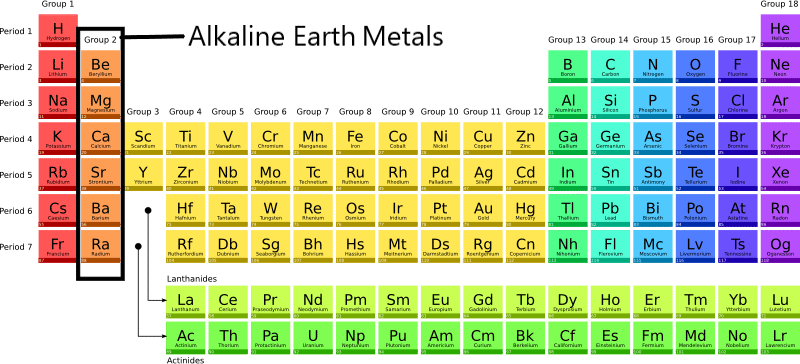
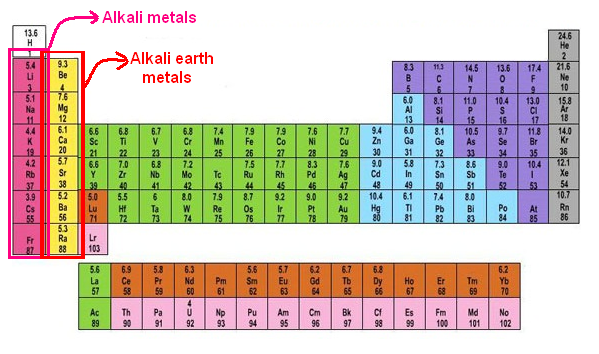
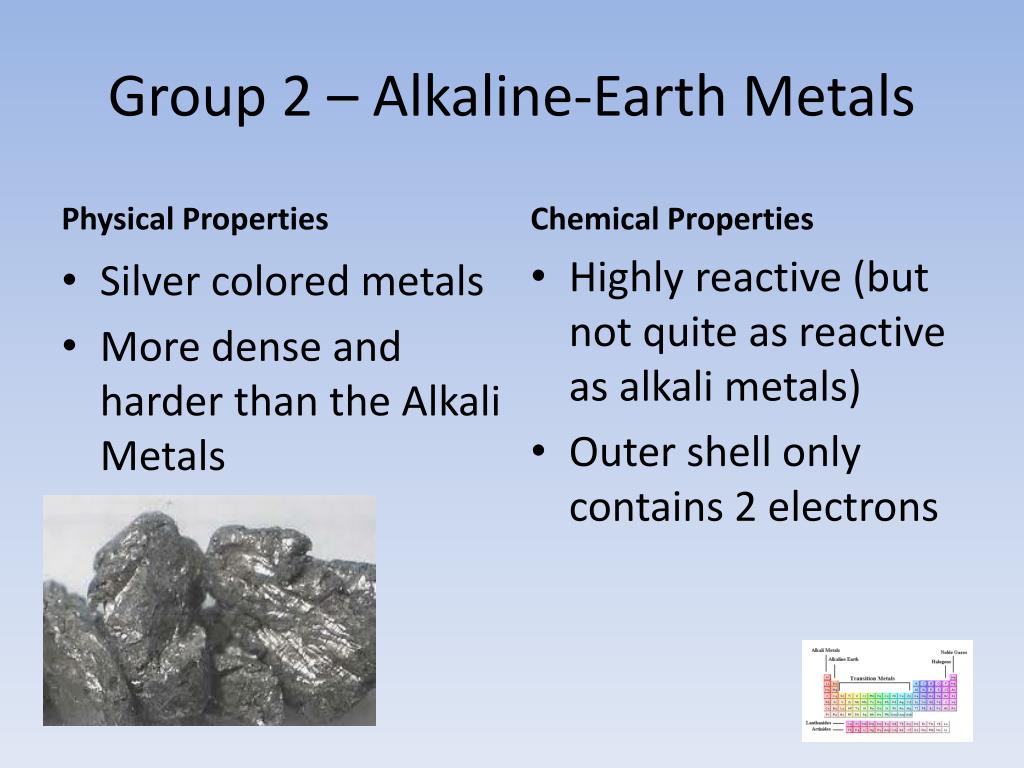
Ever wondered what gives fireworks their vibrant colors, or what makes some glow-in-the-dark toys so...glowy? The answer, in part, lies with a fascinating group of elements known as the Alkaline Earth Metals! While you might not instantly think of them as creative inspiration, these elements – beryllium, magnesium, calcium, strontium, barium, and radium – possess unique chemical properties that make them incredibly valuable and surprisingly inspiring for artists, hobbyists, and even casual learners.
So, how can understanding Alkaline Earth Metals benefit you? For artists, these metals are the key to unlocking a wider spectrum of colors. Strontium, for example, is responsible for the brilliant red in many fireworks displays. Imagine incorporating this knowledge into your art! A painter could explore the emotional impact of strontium-red in a fiery sunset scene, or a digital artist could create captivating graphics using the principles of luminescence, derived from the properties of radium (though, for obvious safety reasons, stick to simulated radium glow!). For hobbyists interested in pyrotechnics (safely, of course, and with appropriate permits!), understanding how these metals react to create different colors is crucial. And for the casually curious, exploring the chemical properties of these elements is like unlocking a secret code to the natural world, revealing why certain materials behave the way they do.
Let's look at some examples. Think of magnesium flares used in photography. The intense, bright light they produce is a direct result of magnesium's rapid oxidation. This same principle can inspire lighting design, where artists carefully manipulate light and shadow to create dramatic effects. Calcium, essential for strong bones, is also a key ingredient in plaster of Paris, a sculptor's best friend. The rapid setting time of plaster allows artists to quickly create and modify their works. Even barium, often used in medical imaging (barium swallow), can inspire abstract art reflecting the hidden structures and inner workings of the human body.
Must Read
While experimenting directly with these elements at home requires caution and should only be done under the guidance of experts (especially with radium and beryllium!), there are ways to engage with their properties safely. A simple experiment is observing the different flame colors produced by burning small amounts of salts containing these metals. For example, strontium chloride will produce a red flame, while calcium chloride will produce an orange-red flame. Remember to always wear eye protection and perform experiments in a well-ventilated area, under the supervision of a responsible adult. You can also explore online simulations and educational videos that demonstrate the reactions of these elements safely and visually.
The joy of learning about the chemical properties of Alkaline Earth Metals lies in understanding the fundamental building blocks of our world. It's a gateway to appreciating the intricate relationships between elements, their reactions, and their impact on everything around us. It provides a new lens through which to view art, science, and the everyday marvels we often take for granted. So, embrace the curiosity, explore the elements, and discover the surprising beauty and creative potential hidden within the Alkaline Earth Metals!

.PNG)