
Check For Air Leaks In House
Ever feel a mysterious chill in your home even when the thermostat is cranked up? Or maybe you’ve noticed your furnace or AC unit seems to be working overtime, but some rooms just never quite hit that sweet spot of comfort? It’s like trying to fill a bucket with water when it’s got a tiny hole – frustrating and wasteful! Well, your house might be doing something similar with its precious, expensive air, thanks to those sneaky, invisible air leaks.
Let’s be real, nobody enjoys throwing money out the window, right? Imagine your heating or air conditioning working its little heart out, diligently making your indoor air perfectly toasty or refreshingly cool. But then, whoosh! Half of that perfectly conditioned air decides to take an unscheduled vacation through tiny cracks and gaps in your home’s envelope. That’s not just annoying; that’s your hard-earned cash literally seeping away, paying to heat or cool the great outdoors!
And it's not just your wallet that suffers. Think about those spots in your living room that always feel a bit nippy, or that bedroom that never quite warms up enough to kick off those extra blankets. Air leaks create uncomfortable drafts and uneven temperatures, turning your cozy sanctuary into a game of "find the warm spot." Your house should be a snuggly haven, not a Swiss cheese marvel letting in every draft and gust. Nobody likes wearing a coat indoors!
Must Read
Where Do These Sneaky Air Leaks Hide?
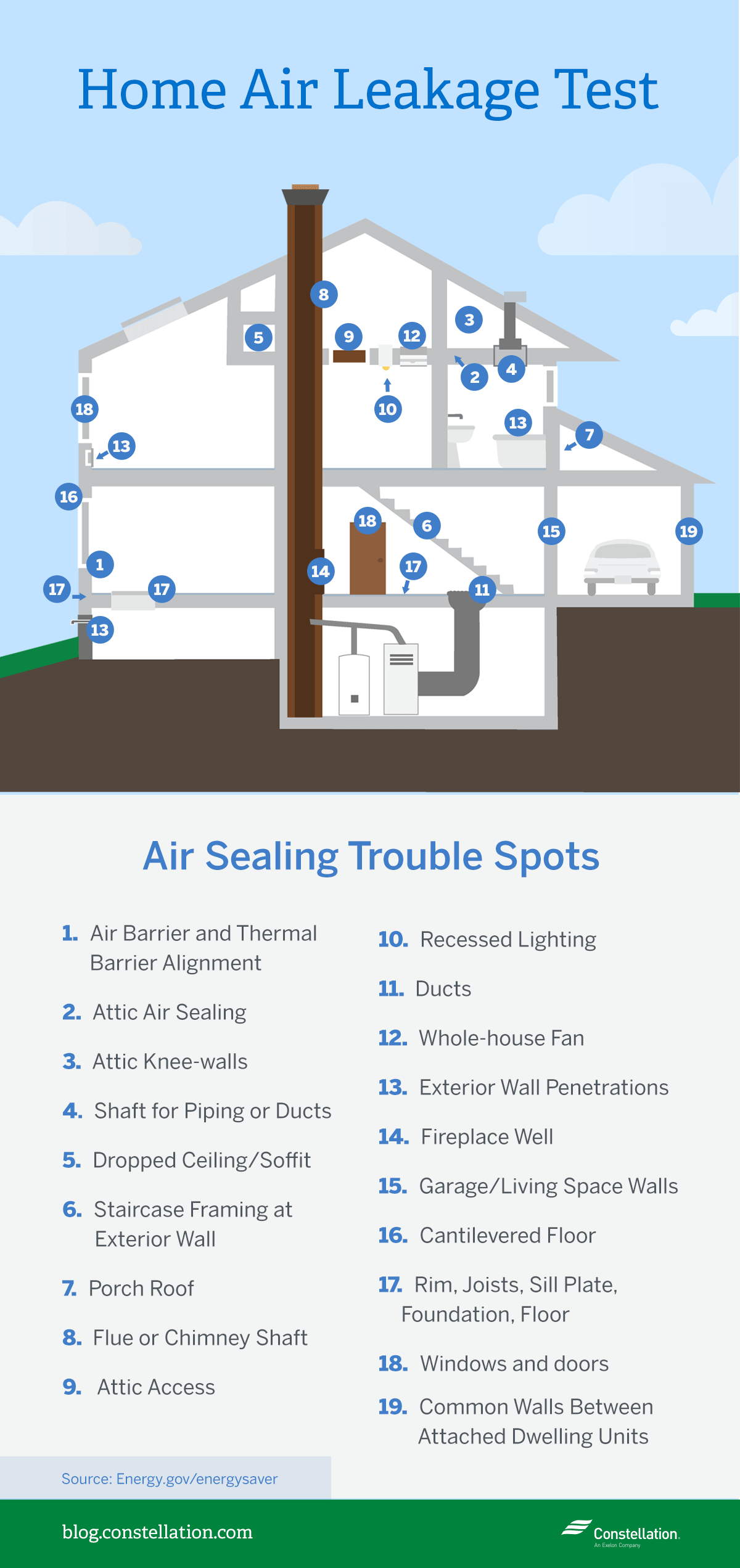
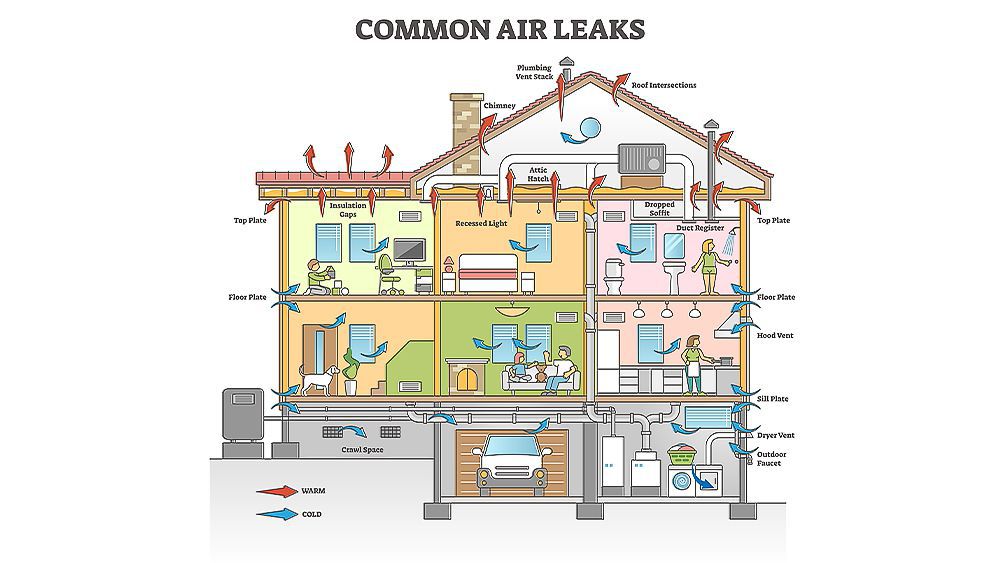
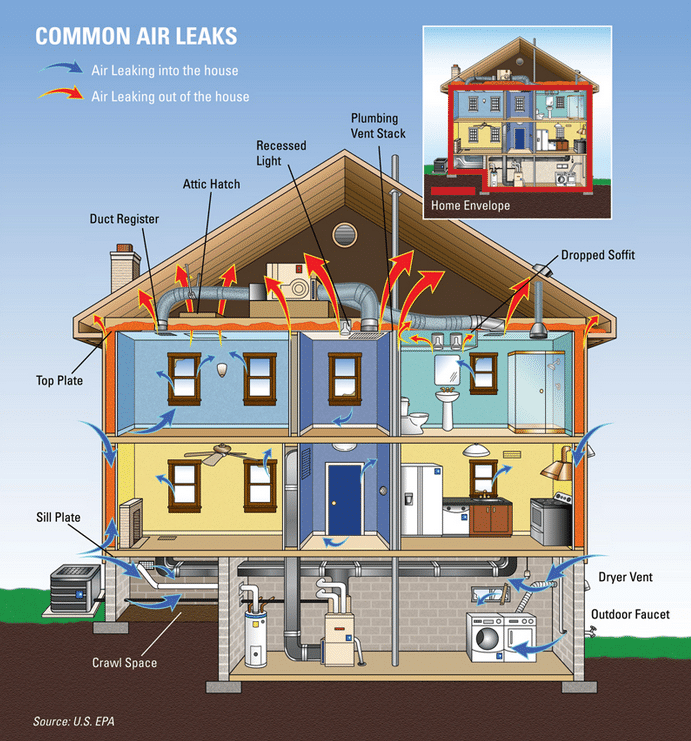
Alright, detective, time to put on your inspector's hat! So, where are these sneaky little air bandits hiding? The usual suspects are often windows and doors. It makes sense, right? Moving parts, frames settling over time, weatherstripping wearing out – they’re prime locations for air to sneak in or out.
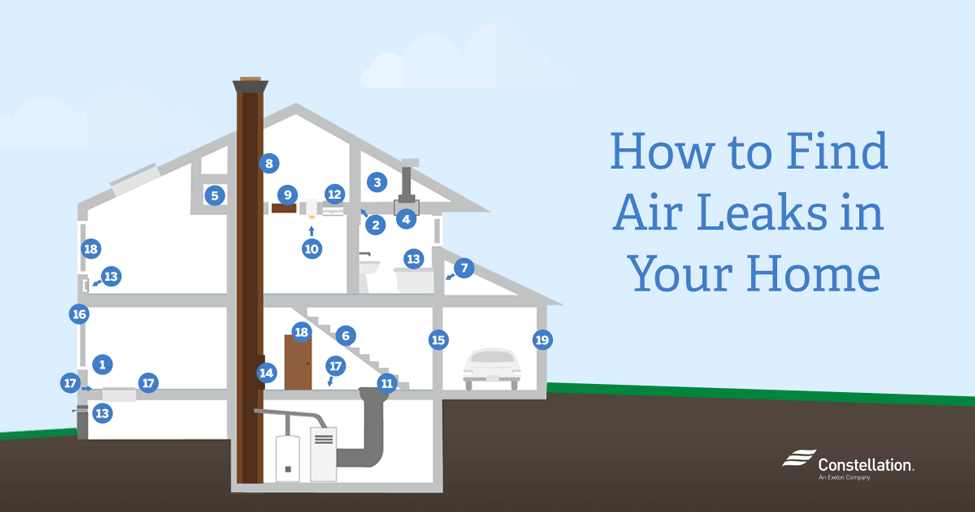
But don't stop there! Air is incredibly resourceful, like a tiny, invisible breeze looking for any escape route. It loves to slip through gaps around electrical outlets, light switches, plumbing pipes where they enter walls, and even that dusty old attic hatch. Think about any place two different materials meet, or where something was cut into a wall – those are all potential weak points in your home's armor.
Time to Be an Air Leak Detective: Easy DIY Tests
You don't need fancy gadgets (unless you want to treat yourself, of course!). Finding air leaks can be surprisingly simple and even a little fun.
The Hand Test: One of the easiest ways is simply to feel. On a chilly or breezy day, walk around your house, especially near windows, doors, and where walls meet the ceiling or floor. Hold your hand up, slowly moving it along suspected areas. Do you feel a subtle whisper of cold air? That's not your imagination; that's a leak calling for your attention! It’s wonderfully low-tech and surprisingly effective.

The Incense Stick or Candle Test: For the more visually inclined, grab an incense stick (or even a lit candle, just be super careful!). On a breezy day, or with your furnace/AC running to create pressure, hold the smoking incense stick near suspected leak areas. If the smoke dances, wiggles, or gets sucked in a particular direction, bingo! You've found a secret air highway. If you're using a candle, watch the flame – a flickering or leaning flame is your signal. It’s like your own personal air current detector!
The Dollar Bill Test (for doors/windows): Here's a fun one for your doors and windows. Take a dollar bill, place it between the door or window and its frame, and close it tightly. Can you pull the dollar bill out easily without much resistance? If so, your seal isn't as tight as it could be, and air is probably waltzing right in (or out!). If it's snug and resists being pulled, your seal is doing a great job.
You Found a Leak! Now What? Easy Fixes!
Fantastic! You've successfully hunted down some of those elusive air leaks. Now for the easy part: fixing them!
Caulk It Up! For those smaller cracks and gaps around window frames, door frames, or where pipes enter walls, a little tube of caulk is your best friend. It’s like giving your house a nice, smooth facelift while sealing up those tiny sneaky escape routes. It’s simple, affordable, and incredibly effective.
Weatherstripping Wonders: Got a drafty door or window that just won't quit? Weatherstripping is your superhero. It's basically a fancy rubber or foam strip that creates a snug seal when your door or window is closed. Easy to apply, and instantly makes a huge difference in blocking those bigger drafts.
Outlet Gaskets and Foam Sealants: Remember those outlets and light switches? A quick trip to the hardware store for some inexpensive foam gaskets can block a surprising amount of air. For larger gaps, like around vents or that pesky attic hatch, a can of expanding spray foam can work wonders. It fills those voids like magic, creating a solid barrier against unwanted air movement.
The Cozy Payoff
So, why bother with this little air leak adventure? Because a house that's sealed up tight isn't just a happier house; it's a happier you. You'll enjoy more consistent temperatures throughout your home, fewer mysterious chills, and best of all, a lighter load on your wallet when those utility bills roll around. It’s one of those small, satisfying home improvements that truly pays dividends in comfort and cash.
So go on, grab that imaginary detective hat, and give your home a little love. Your future cozy self (and your bank account) will thank you!