Cheapest Way To Heat A House With Electricity
Let's face it, nobody loves getting hit with a hefty electricity bill, especially during those chilly months. We crank up the heat, hoping to ward off the winter blues, but then reality bites when that bill arrives. So, the question naturally arises: what's the cheapest way to heat a house with electricity? It's not just about saving money; it's about being smarter about our energy consumption and maybe even reducing our environmental footprint. Think of it as a mini-mission to become a master of efficient home heating!
The purpose of exploring this topic is pretty straightforward: to understand the different electrical heating options available and identify the most cost-effective ones. The benefits are equally clear: lower energy bills, a more comfortable living space, and a sense of control over your energy usage. No more shivering in fear of the next bill!
Now, let's dive into some real-world examples. In education, understanding energy efficiency is becoming increasingly important. Schools often incorporate lessons on renewable energy and conservation, highlighting the importance of making informed choices about heating and cooling. Learning about heat pumps versus electric resistance heaters, for instance, can illustrate the principles of thermodynamics and energy transfer in a practical way.
Must Read
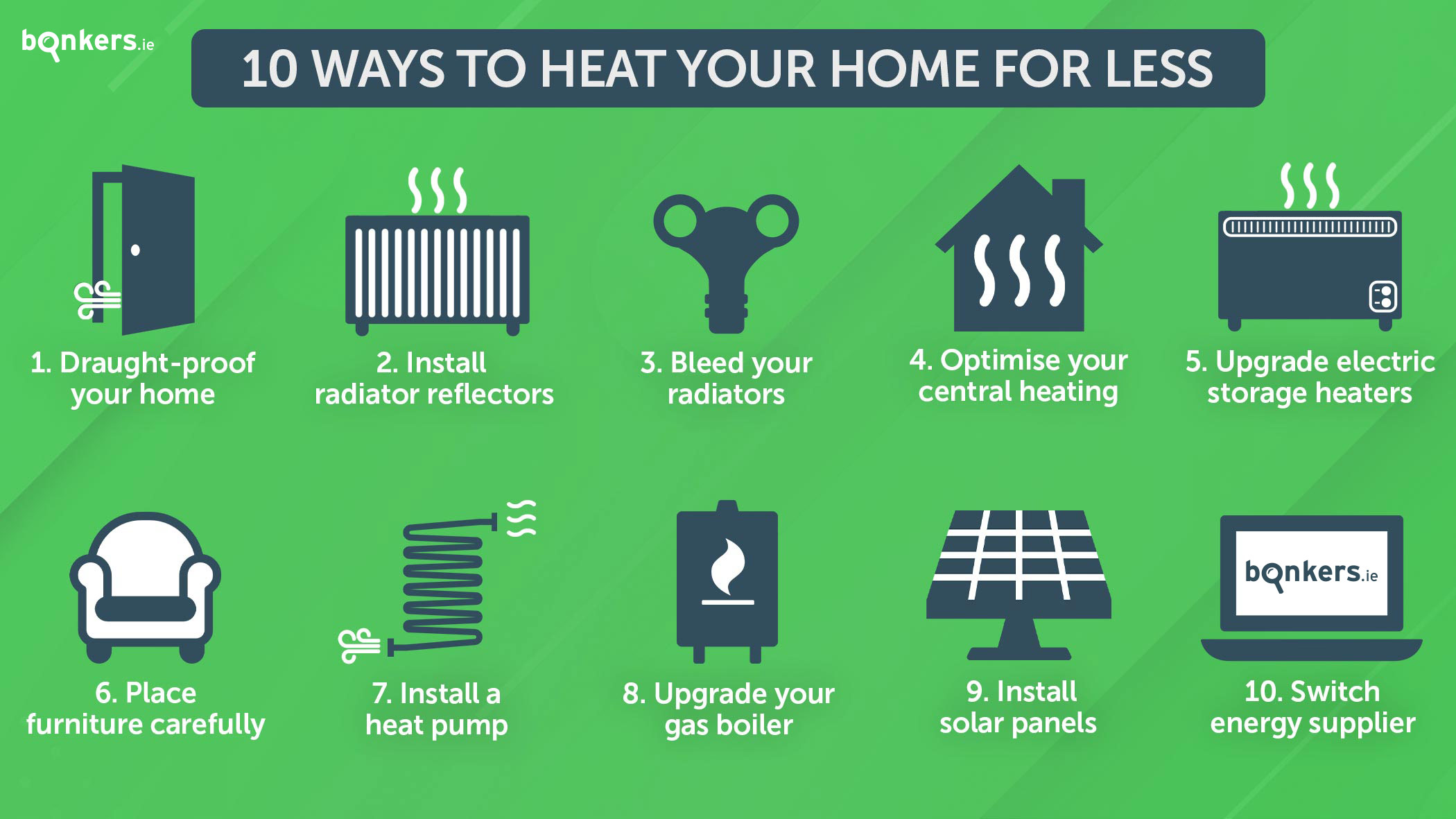
In daily life, these principles translate into tangible savings. Consider using a programmable thermostat. These aren't just fancy gadgets; they allow you to automatically adjust the temperature based on your schedule, ensuring you're not heating an empty house all day. Another practical tip is to focus on zone heating. Instead of cranking up the central heating for the entire house, use a space heater to warm only the rooms you're actively using. This can be particularly effective in smaller apartments or when you're spending most of your time in a single room.
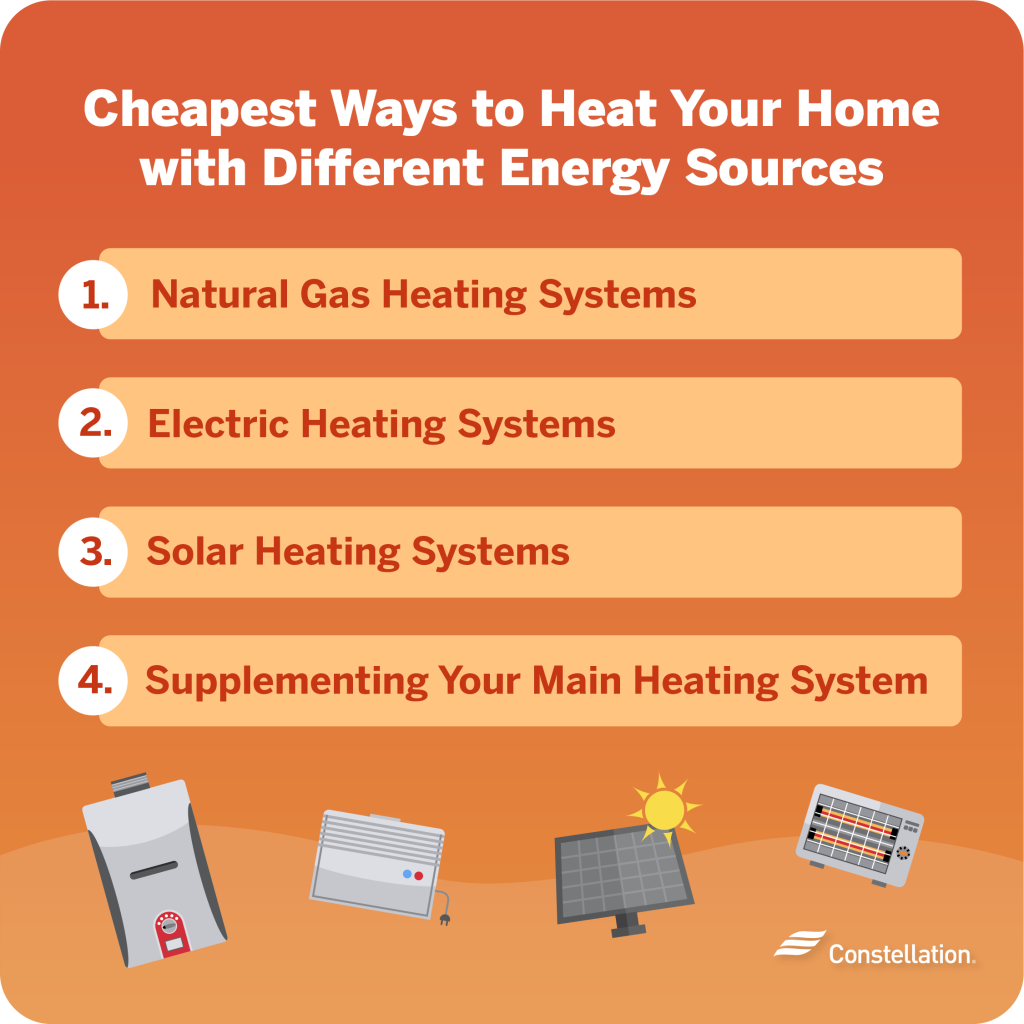
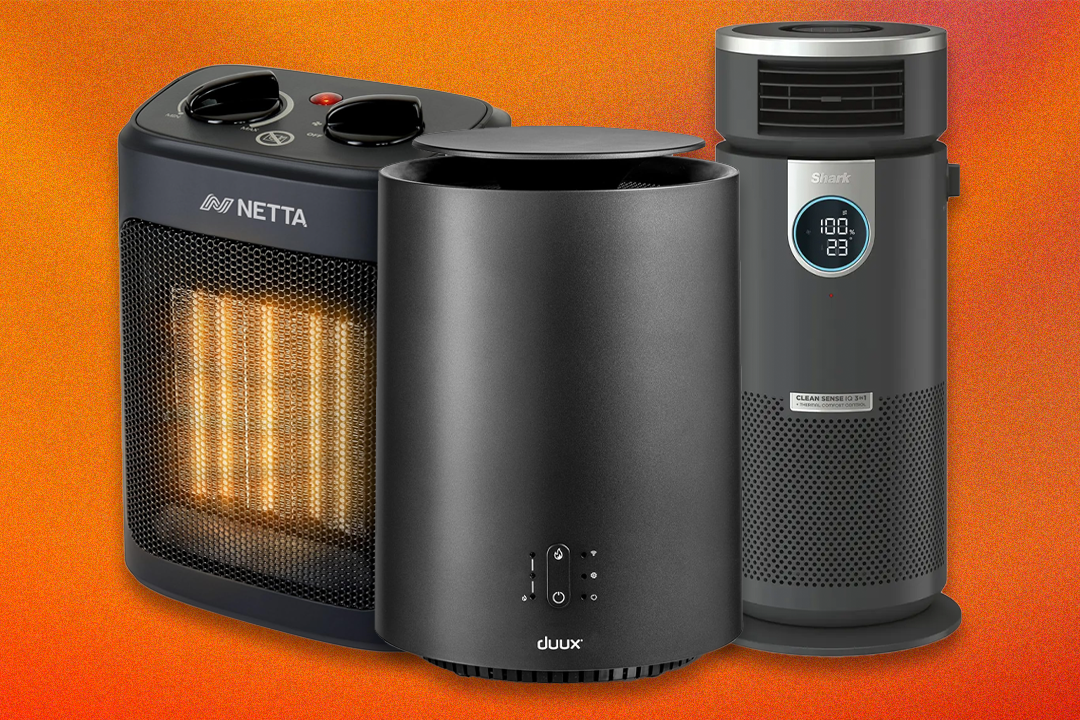
Electric resistance heating, such as baseboard heaters and space heaters, are often the most expensive to run in the long term. They convert electricity directly into heat, which is inefficient compared to other methods. Heat pumps, on the other hand, are generally more efficient. They don't generate heat; they transfer it from one place to another, much like a refrigerator in reverse. This makes them a more cost-effective option, especially for climates with moderate winters.
But the "cheapest" method isn't just about the technology. It also involves simple habits. Seal any drafts around windows and doors. This prevents heat from escaping and cold air from entering, reducing the need to crank up the thermostat. Even something as simple as opening curtains during the day to let in sunlight can make a noticeable difference.
So, how can you explore this topic further? Start by researching the different types of electric heating systems and comparing their energy efficiency ratings (look for the Energy Star label!). Monitor your energy usage using your electricity bill or a smart home energy monitor. Experiment with different settings on your thermostat and see how they impact your energy consumption. Even better, conduct a simple home energy audit to identify areas where you can improve insulation and reduce drafts. The more you understand your own energy footprint, the better equipped you'll be to find the cheapest and most efficient way to heat your home this winter.