
Characteristics Of Metals On The Periodic Table
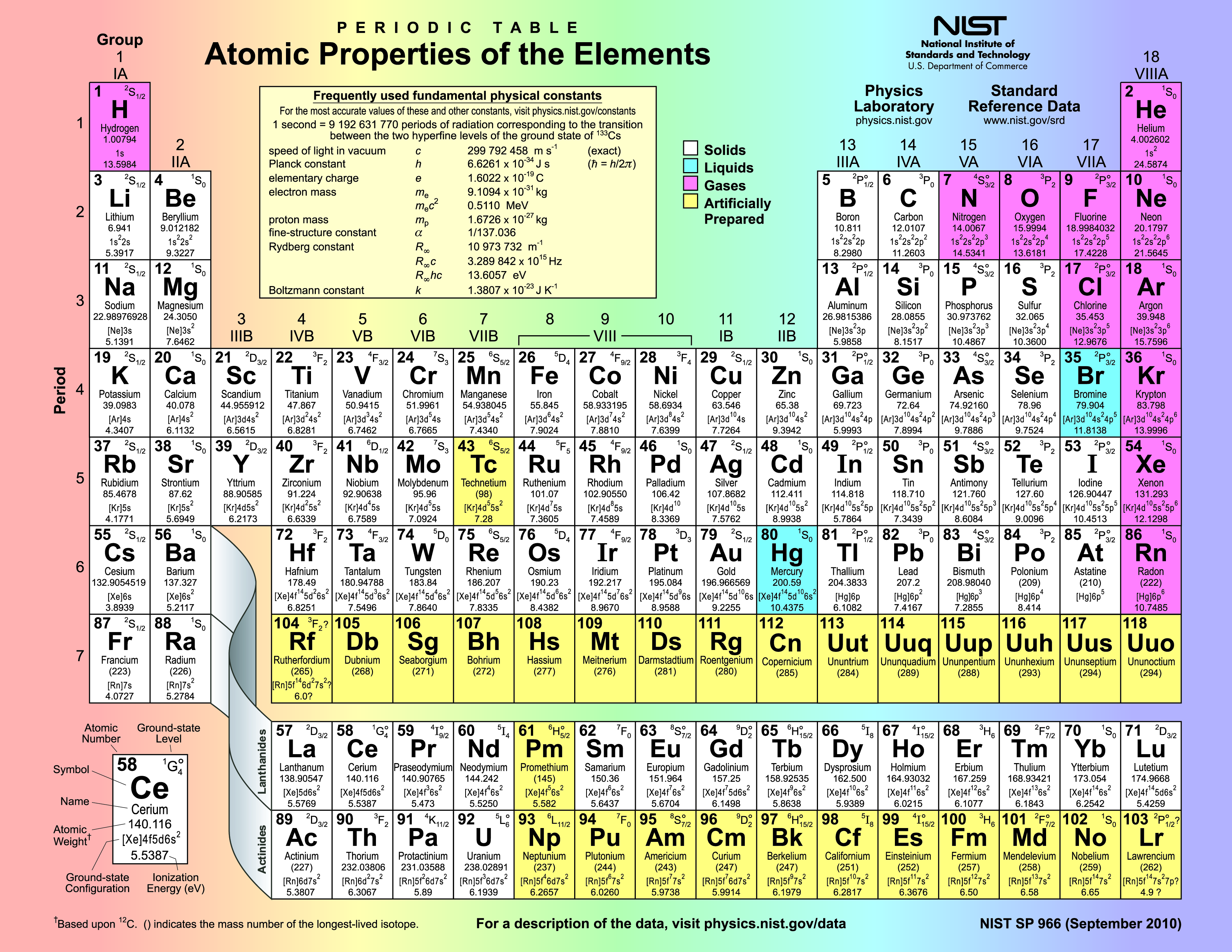
Hey, wanna talk about something kinda...shiny? I'm talking metals! You know, those elements on the periodic table that are like, the cool kids of chemistry. Let's dive in!
Metals: What Makes 'Em Metal?
Okay, so what exactly defines a metal? It's not just about being hard and, well, metal-y looking. There's actual science involved. Though, admit it, thinking of a heavy metal concert helps.
First off, most metals are shiny. Like, really shiny. We call this metallic luster. Think gold, silver, copper – all shimmering and gorgeous. It’s all thanks to their loosely held electrons bouncing light around. Fancy!
Must Read
Next up, they're usually solid at room temperature. But there's always an exception to the rule! Mercury (Hg) is a liquid! Can you imagine a thermometer made of solid metal? Talk about a pain to read!
They're also good conductors of heat and electricity. Meaning they let electricity flow through them easily. That's why your phone charger has metal bits, and why your grandma's copper-bottomed pots are so awesome. Don't try conducting electricity through a wooden spoon. Trust me.
Metals are generally malleable. This means you can hammer them into thin sheets. Think of aluminum foil. So thin! So useful for leftover pizza!
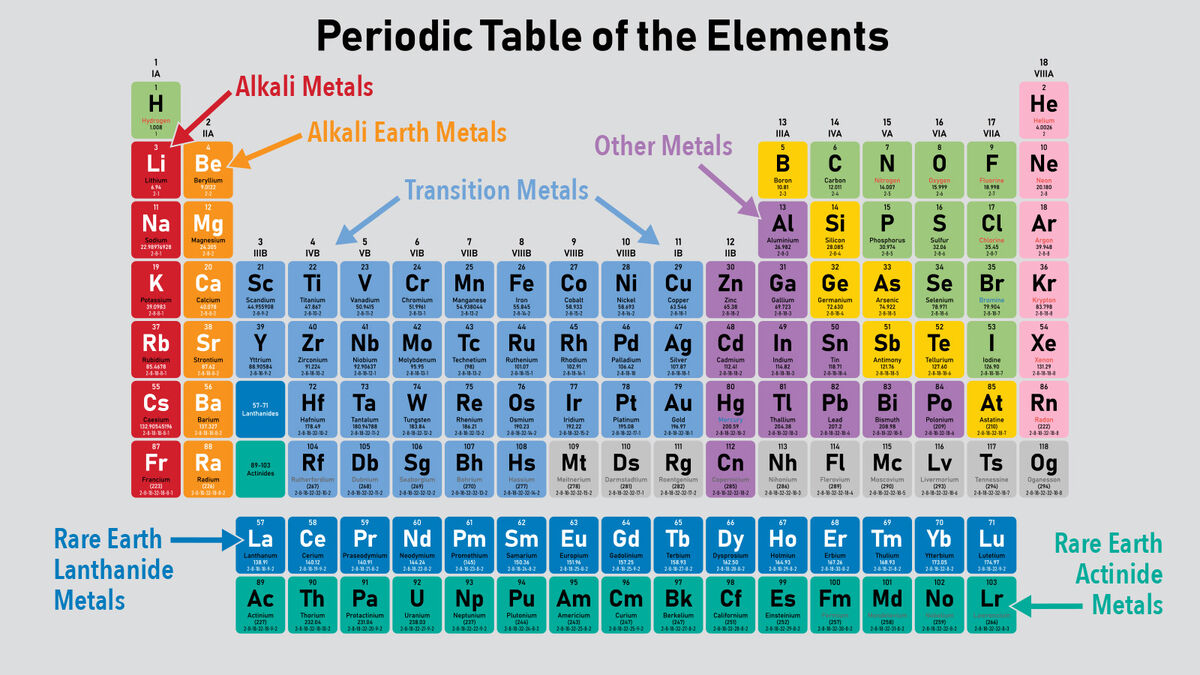
And they're ductile. That means you can stretch them into wires! Copper wiring is in basically every electronic device you own. Pretty cool, right?
Metal Mania: A Periodic Table Party
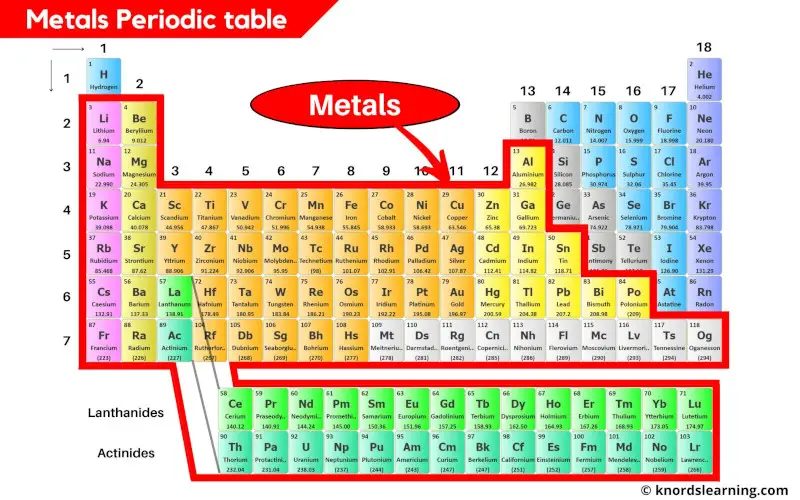
So where do we find these metallic marvels? Well, look at the periodic table! Most of the elements are actually metals! It's like a metalhead's dream come true.
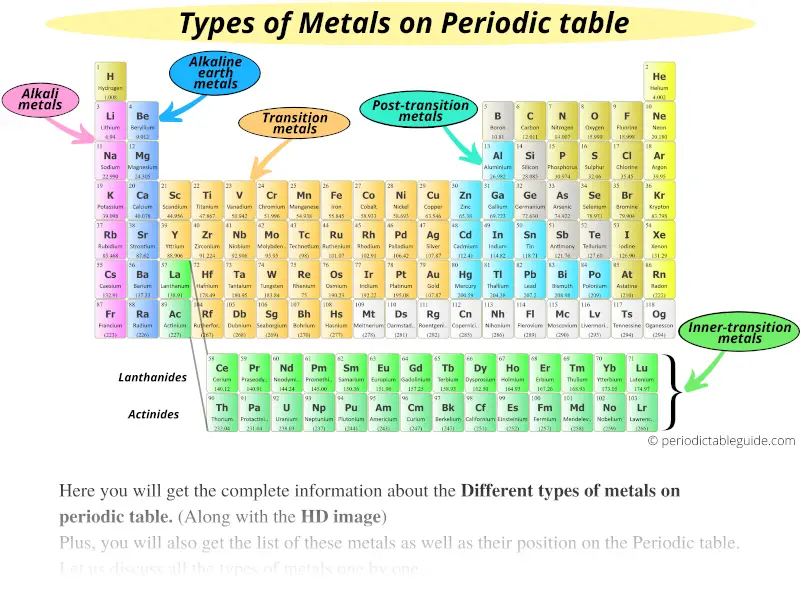
Most of the left side and the center of the periodic table are the metal zone! You’ve got your alkali metals (group 1), your alkaline earth metals (group 2), your transition metals (that big block in the middle – think iron, nickel, gold), your lanthanides, and your actinides. That’s a lot of metal!
The alkali metals (like sodium and potassium) are super reactive. So reactive, in fact, that they're usually stored in oil to prevent them from reacting with air! Imagine if you kept your spare change in oil? Wild!
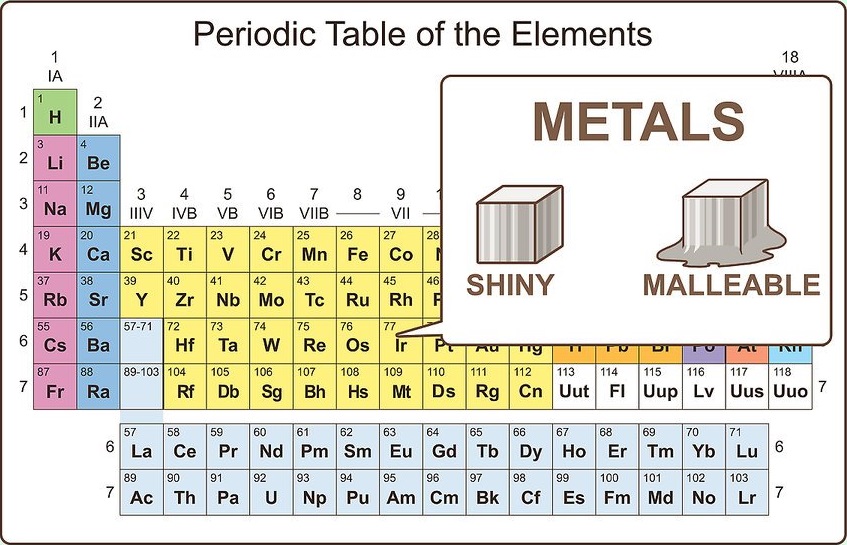
The alkaline earth metals (like calcium and magnesium) are a bit less reactive, but still pretty interesting. Calcium, for example, is super important for strong bones. Drink your milk!
Then we have the transition metals. These guys are the workhorses of the metallic world. Iron, copper, zinc – they’re used in everything from construction to electronics. And some are super precious, like gold and platinum. Bling bling!
And let's not forget those mysterious lanthanides and actinides down at the bottom. Some of these are radioactive, which makes them a bit more… intense. Uranium, anyone? (Okay, maybe not anyone).
Metal Quirks and Fun Facts
Metals are more than just shiny, conductive materials. They're full of surprises!
Ever heard of amalgams? These are alloys (mixtures of metals) where one of the metals is mercury. Dentists used to use silver amalgams for fillings! Though now, thankfully, we have less toxic options.
Some metals can change color! Copper, for example, turns green over time due to oxidation. That's why the Statue of Liberty is green – it's covered in copper that's been exposed to the elements. Who knew rust could be so iconic?
Did you know that gold is so ductile that you can draw a single ounce of it into a wire over 50 miles long? That's like, ridiculously long! Think of all the tiny golden necklaces you could make!
Titanium is incredibly strong and lightweight. That's why it's used in airplanes and even artificial hips! You could be part metal and not even know it! Okay, maybe you'd know.
Some metals are magnetic! Iron, nickel, and cobalt are the big three here. That’s why magnets stick to your fridge (assuming it’s steel, not some fancy stainless steel that’s actually non-magnetic).
And finally, let's appreciate the fact that metal recycling is a thing. Recycling aluminum cans saves tons of energy! So, go green and recycle those soda cans! You'll be helping the planet and keeping the metal party going!
So, there you have it! A quick and fun rundown of metals. They're shiny, strong, conductive, and full of surprises. Next time you see something metallic, take a moment to appreciate the amazing chemistry behind it. Rock on, metalheads!