
Cfd Weld Pool Flow Copper Duplex Stainless Steel

Ever watched someone meticulously ice a cake? The smooth, even spread of frosting is a thing of beauty, right? Now, imagine that cake is a bridge, a vital part of a power plant, or even part of the machinery that makes your morning coffee. Suddenly, that smooth, even surface – or rather, a weld – becomes critically important.
Welding: More Than Just Melting Metal
We’re talking about welding, of course! It's not just sticking two bits of metal together. It's about creating a strong, reliable bond that can withstand intense pressure, extreme temperatures, and corrosive environments. And that's where things like "CFD," "Weld Pool Flow," "Copper," and "Duplex Stainless Steel" come into play. Sounds intimidating, doesn't it? Don't worry, we’ll break it down.
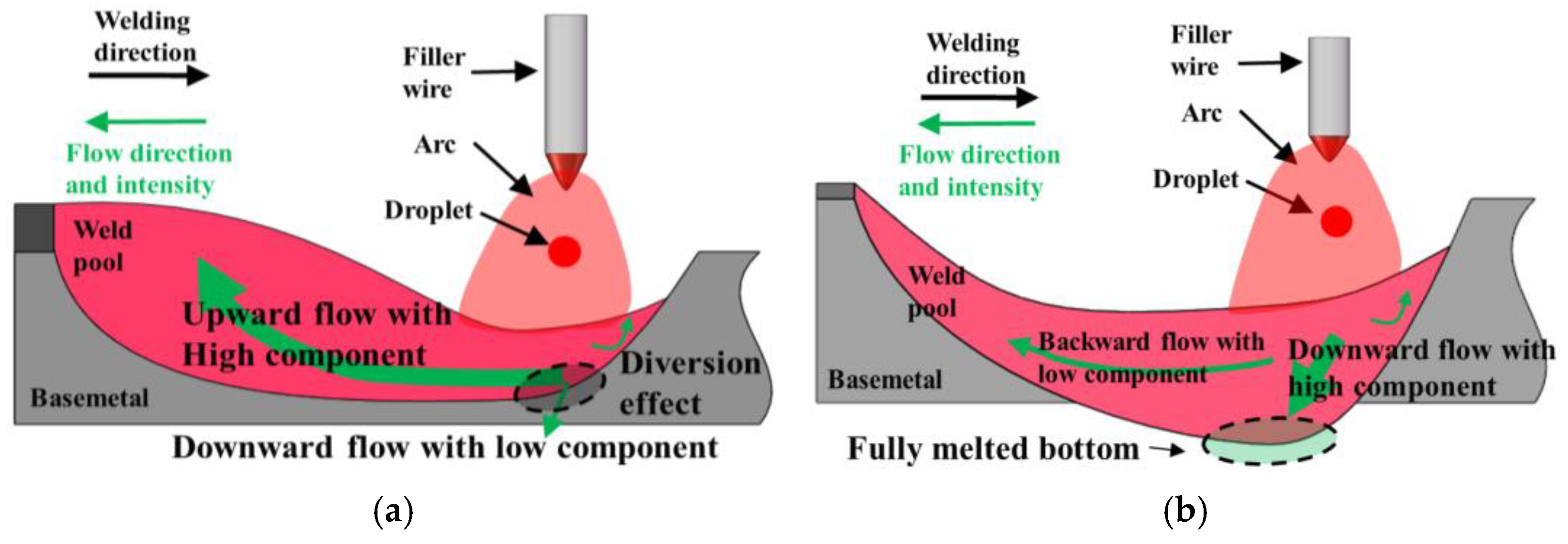
Think of a weld pool as a little molten puddle formed during the welding process. It's super hot – like, hotter than your pizza oven on its highest setting! And just like any puddle, it flows. The way this molten metal flows, mixes, and then solidifies is absolutely key to the weld's strength and overall quality. We need to understand and control this flow.
Must Read
That’s where CFD, or Computational Fluid Dynamics, enters the scene. Imagine it as a weather forecast, but for molten metal! Instead of predicting rain or sunshine, CFD uses super-powerful computers to simulate how the weld pool flows. It can predict where hot spots will form, how the metals will mix, and if any defects might pop up. Pretty cool, huh?
Why Does Weld Pool Flow Matter?
Why is this flow so important? Well, imagine stirring sugar into your coffee. If you stir gently and evenly, the sugar dissolves perfectly. But if you just plop it in and leave it, you get a sugary sludge at the bottom. Weld pool flow is similar. Proper flow ensures that the different elements in the weld mix evenly, creating a strong, homogeneous bond. Poor flow can lead to weaknesses, cracks, or even complete failure. Ouch!

And what about those other terms: Copper and Duplex Stainless Steel? These are just examples of the materials being welded. Different materials behave differently when melted, so understanding their unique properties is essential. Let's focus on them a bit.
Copper: The Heat Conductor
Copper is famous for its excellent ability to conduct heat. It's why your pots and pans often have copper bottoms. But this property can be a challenge when welding. The heat can dissipate quickly, making it harder to maintain a stable weld pool. Imagine trying to build a sandcastle on a beach that's constantly being washed away by the tide – that's a bit like welding copper!
Therefore, understanding how heat flows in copper during welding is critical for things like joining copper pipes in your house, or in much bigger applications, such as making electric generators.

Duplex Stainless Steel: The Strong and Resistant One
Now, let's talk about Duplex Stainless Steel. This stuff is tough! It's used in environments where strength and resistance to corrosion are crucial – think offshore oil rigs, chemical processing plants, and even certain parts of submarines. It has a unique microstructure with two phases (hence the name "duplex"), which gives it its impressive properties.
But welding duplex stainless steel is like trying to perfectly balance two different personalities. You need to carefully control the welding process to maintain the correct balance between the two phases, otherwise, you might end up with a weld that's brittle or prone to corrosion. Nobody wants that!
Why Should You Care? (Even if You're Not a Welder)
Okay, so you might be thinking, "This is all very interesting, but why should I care?" Good question! The answer is simple: Welding is everywhere. It's behind the scenes of pretty much everything we rely on, from the cars we drive to the buildings we live in. Ensuring high-quality welds means safer infrastructure, more reliable equipment, and a longer lifespan for the products we use every day.
Think about it: a perfectly welded bridge means a safer commute. A well-welded pipeline means a reduced risk of leaks and environmental damage. Even a smoothly welded coffee machine means you get your caffeine fix without any drama. Welding is a silent guardian, working tirelessly in the background to keep our world running smoothly. And understanding the intricacies of weld pool flow, especially when dealing with materials like copper and duplex stainless steel, is crucial to making sure that guardian stays strong and vigilant.
So, the next time you admire a sleek building, drive across a sturdy bridge, or simply enjoy a cup of coffee, remember the unsung heroes of the welding world – and the science that helps them create those perfect, reliable bonds. And maybe, just maybe, you'll appreciate that perfectly iced cake a little bit more, too. After all, precision matters!
