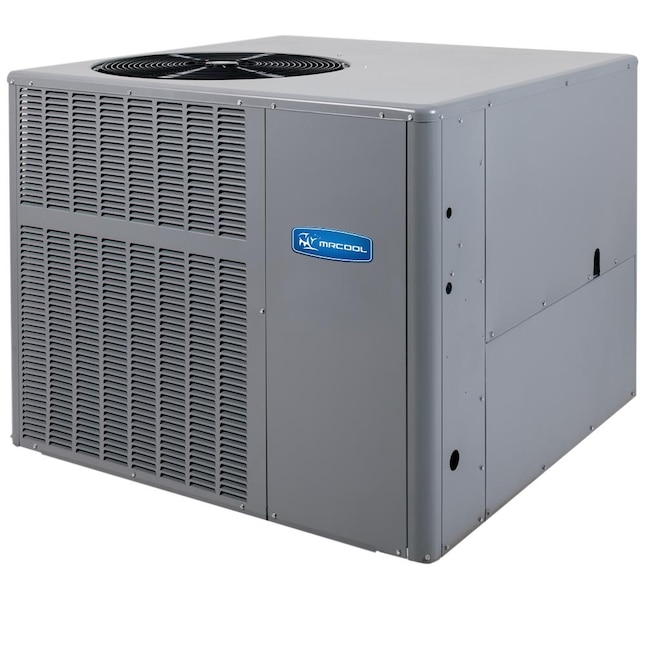
Central Air Conditioning Units With Heat Pump

Let's face it, talking about home comfort systems might not sound like the most thrilling subject. But trust me, understanding how a central air conditioning unit with a heat pump works can actually be pretty cool (pun intended!). Especially when you realize it can save you money and keep your family comfortable year-round. This isn’t just about escaping the summer heat; it’s about creating a consistently pleasant living space, no matter the season.
So, what exactly is a central air conditioning unit with a heat pump? Simply put, it’s a system that both cools your home in the summer and heats it in the winter. Think of it as a two-in-one appliance. It uses a refrigerant to transfer heat. In the summer, it pulls heat from inside your house and releases it outside, leaving you with refreshing cool air. In the winter, it reverses the process, extracting heat from the outside air (yes, even cold air contains some heat!) and pumping it inside. For beginners, this means one less appliance to worry about, simplifying your home's climate control. No more window units to install and remove every season!
For families, the biggest benefit is consistent comfort. No more battling over thermostat settings! Central systems provide even heating and cooling throughout your entire home. Plus, many modern heat pumps come with zoning capabilities, allowing you to customize the temperature in different areas, ensuring everyone is happy. And let’s not forget the potential savings on energy bills. Heat pumps are often more energy-efficient than traditional furnaces, leading to lower monthly costs. For the hobbyist homeowner, these systems are a great opportunity to learn more about home mechanics and preventative maintenance. Understanding your system allows you to troubleshoot simple issues, maximizing its lifespan and efficiency.
Must Read
There are variations to consider, too. Some systems use a gas furnace as a backup for extremely cold days when the heat pump struggles to keep up. These are called dual-fuel systems. There are also different efficiency ratings to be aware of, such as SEER (Seasonal Energy Efficiency Ratio) for cooling and HSPF (Heating Seasonal Performance Factor) for heating. A higher rating typically means greater energy savings, but also a higher initial investment. The right choice depends on your climate and energy consumption habits.
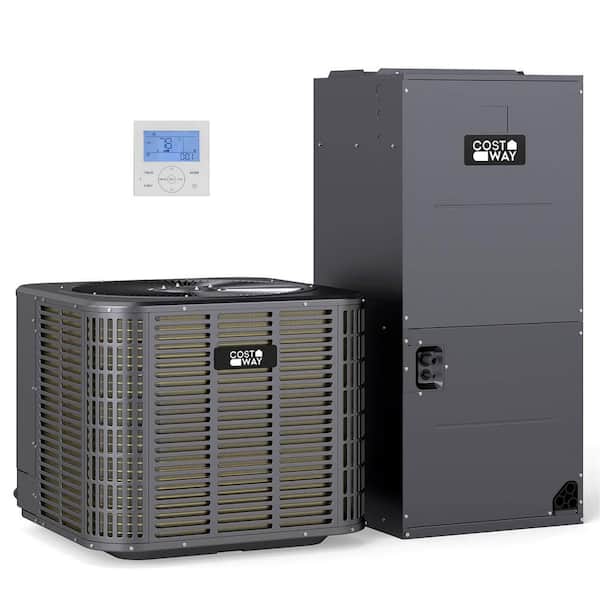
Getting started is easier than you might think! First, get a professional assessment. A qualified HVAC technician can evaluate your home's size, insulation, and climate to recommend the right size and type of system. Don't skimp on this step! Second, compare quotes from multiple installers. Prices can vary significantly, so shop around. Third, ask about rebates and incentives. Many utility companies offer rebates for installing energy-efficient heat pumps. Finally, schedule regular maintenance. Changing filters, cleaning coils, and inspecting the system annually will keep it running smoothly and efficiently for years to come.
Ultimately, investing in a central air conditioning unit with a heat pump is about more than just controlling the temperature. It’s about creating a comfortable, healthy, and energy-efficient living environment for you and your family. So, go ahead and explore the possibilities. You might be surprised at how much value this system can bring to your home and your life!