Ceiling Fan Switch Up Or Down

Ah, the humble ceiling fan. A quiet hero in many homes, effortlessly whisking away stuffy air and creating a gentle breeze. We love them for their ability to bring a sense of calm and comfort to a room, a simple pleasure that makes a hot day bearable or a stuffy evening feel just right. But lurking on the side of many a fan motor, often unnoticed until the temperature really starts to bite or nip, is a tiny, unassuming switch. A switch that holds a secret, a power to truly transform your indoor climate. It’s the infamous "up or down" switch, and understanding its magic can elevate your fan experience from good to great.
The primary benefit of a ceiling fan is, of course, air circulation. In warmer months, a fan doesn't actually cool the air itself, but rather creates a wind-chill effect on your skin, making you feel cooler. This allows you to set your thermostat a few degrees higher, potentially saving you a significant chunk on your energy bill – a definite win for both your wallet and the planet! In colder months, the fan serves a different, equally vital purpose: it helps to redistribute warm air that naturally rises to the ceiling. Instead of that cozy warmth pooling uselessly above your head, the fan gently pushes it back down, making your room feel more evenly heated and your furnace work less strenuously. It's a year-round workhorse, providing comfort and energy efficiency with just a flick of a switch.
You’ll find ceiling fans applied in virtually every room of the house. From the bedroom, offering a gentle lull to sleep, to the living room where it keeps game nights breezy, or even in a kitchen helping to dissipate cooking odors and heat. They’re a common sight on porches and patios too, making outdoor spaces more enjoyable during humid evenings. They’re particularly useful in rooms with high ceilings, where temperature stratification can be most pronounced. Whether you’re trying to create a tropical oasis during summer or a snug retreat in winter, your ceiling fan is a versatile tool at your disposal, silently working to maintain your ideal comfort zone.
Must Read
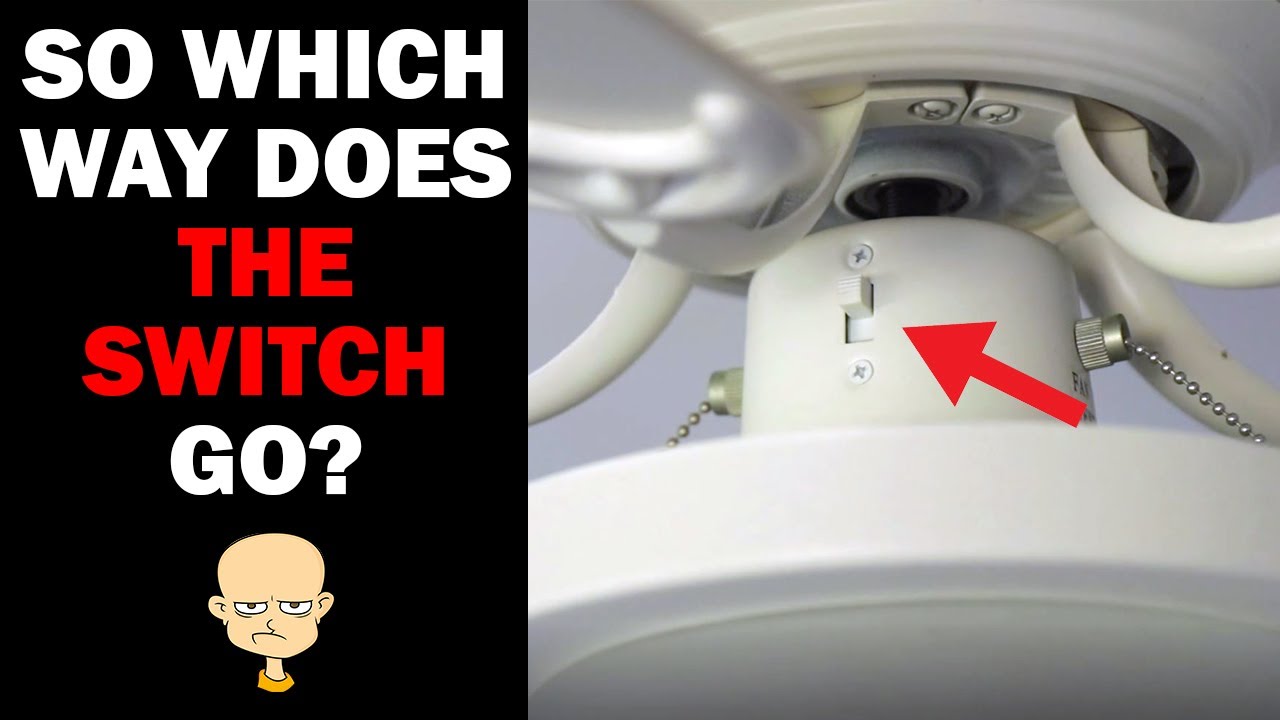
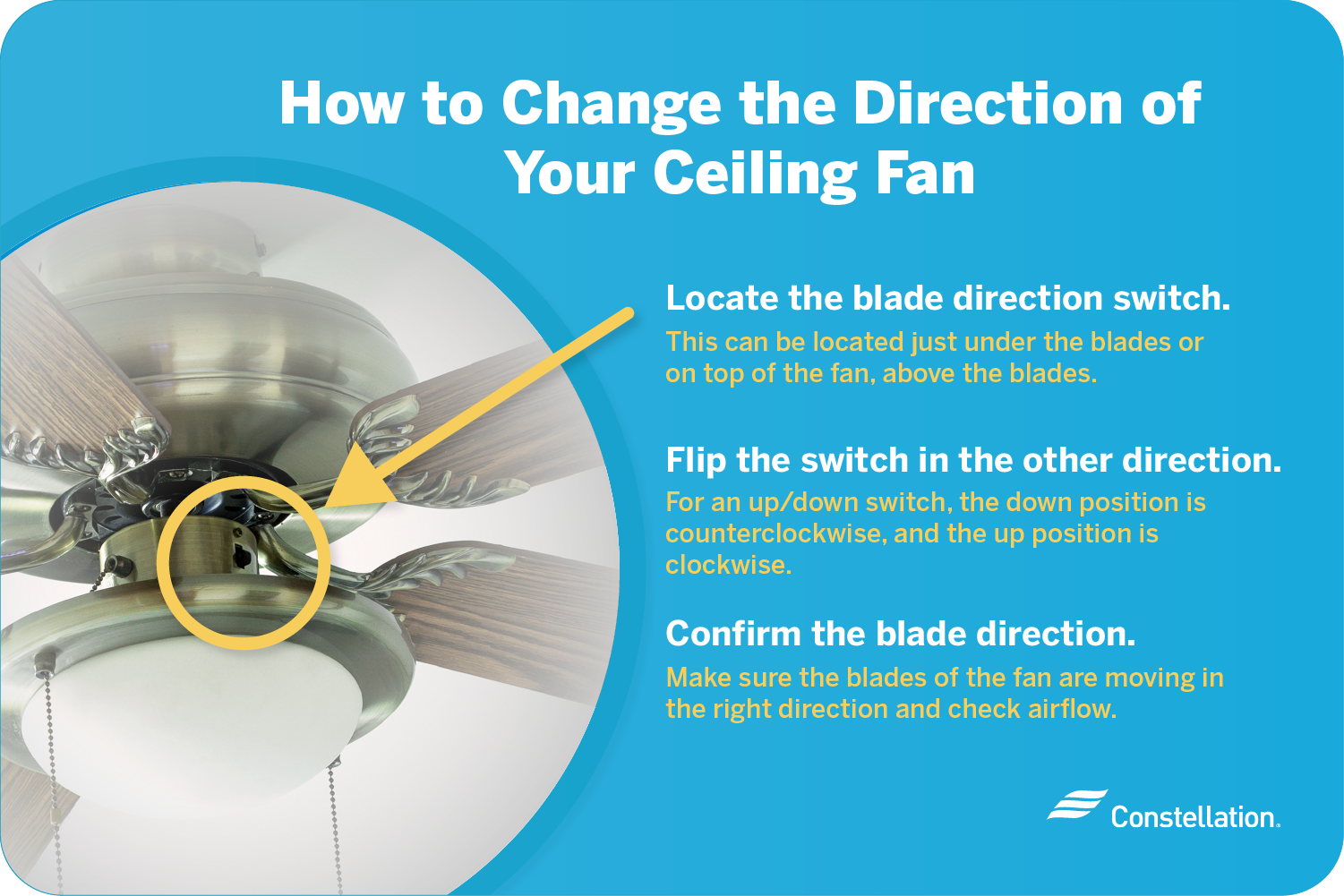
So, how do you unlock the full potential of this unsung hero? It all comes down to that little switch and understanding its two settings: forward and reverse. For summer cooling, you want the blades to spin counter-clockwise. This pushes air straight down, creating that delightful wind-chill effect. If you stand directly underneath, you should feel a distinct breeze. This is your "down" setting – the air movement is pushing down. For winter warming, you need the blades to spin clockwise. This draws cool air up towards the ceiling, while simultaneously pushing the warm air pooled at the top of the room outwards and down along the walls. You won't feel a direct breeze, but the room will feel more evenly heated. This is your "up" setting – the air movement is pushing up indirectly distributing warmth. The practical tip is simple: every spring and fall, take a moment to change your fan’s direction! Make it part of your seasonal home maintenance routine, like raking leaves or checking your smoke detectors. Also, remember to turn off the fan when you leave a room, as they cool people, not spaces. Keep the blades clean too; dust build-up can make them less efficient and even cause wobbling. With these simple tips, you’ll not only enjoy your ceiling fan more effectively but also extend its life, making it a truly invaluable appliance in your home.