Ceiling Fan Blowing Up Or Down
Ah, the humble ceiling fan! For many of us, it’s a silent, swirling sentinel of comfort, a gentle breeze on a sticky summer evening, or perhaps a nostalgic hum from childhood memories. It’s more than just a fixture; it’s a simple luxury that makes our homes feel just right, creating that perfect atmospheric balance. Whether you’re unwinding after a long day or hosting friends, a well-placed ceiling fan can subtly elevate the comfort of any space, making it a beloved staple in homes across the globe.
Its purpose is beautifully straightforward yet incredibly powerful: to circulate air. This isn't just about moving molecules; it's about making you feel cooler without blasting the AC, or helping to distribute warmth more evenly when the heater is on. The benefits are clear: enhanced comfort, improved air quality (especially when stale air is lingering), and most importantly, significant energy savings. Why pay a fortune to cool or heat an entire house when a well-placed fan can make you feel comfortable for pennies a day? It’s an eco-friendly and budget-conscious way to maintain your indoor climate.
You'll find these whirring wonders in almost every room – bedrooms, living rooms, even kitchens and covered patios. They’re indispensable for breaking up stagnant air and adding a decorative touch. But here’s the million-dollar question that often leaves people scratching their heads: which way should it spin? Up or down? Clockwise or counter-clockwise? It's a common dilemma, and getting it wrong can mean wasted energy and a less comfortable room. Fear not, mastering your fan’s direction is easier than you think!
Must Read
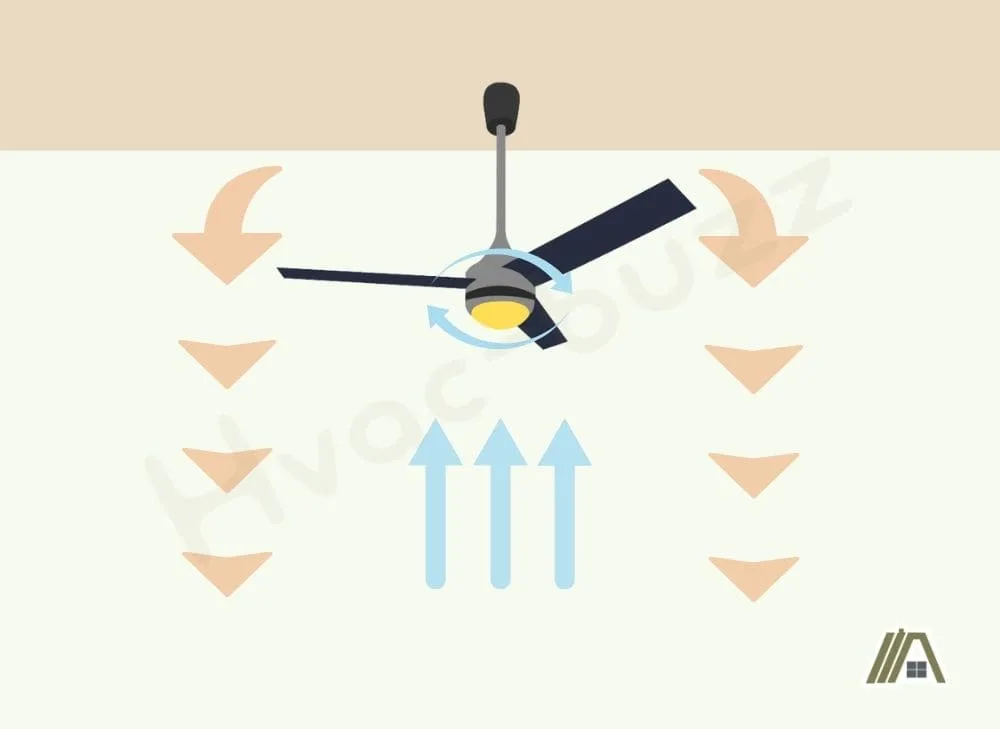
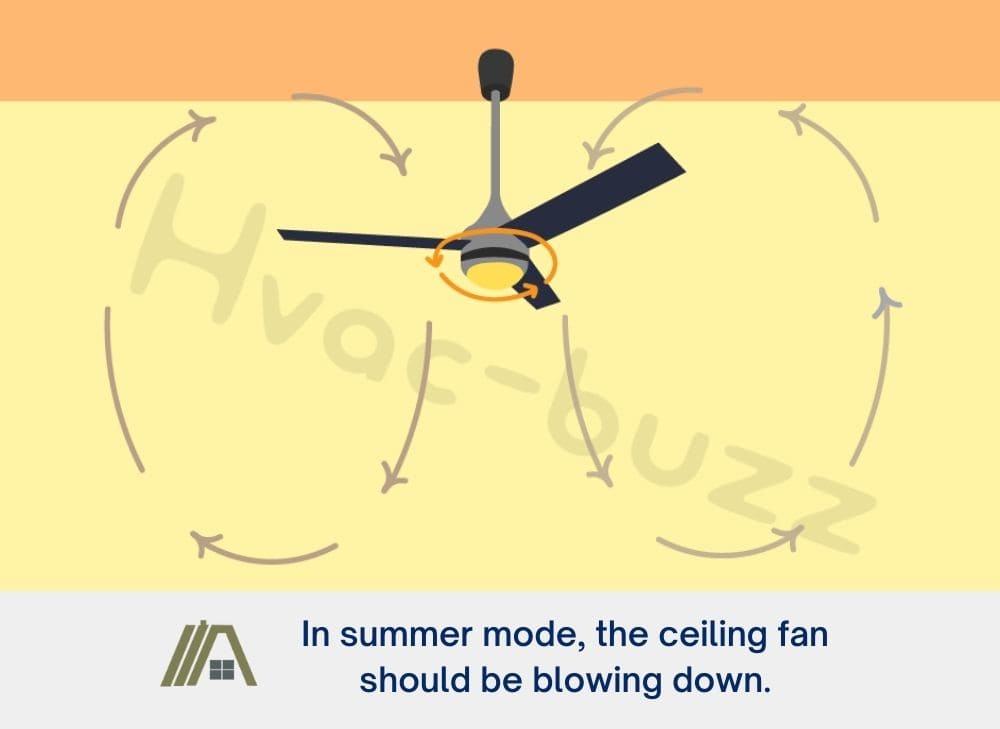
Let's tackle the heat. When the mercury rises and you’re dreaming of ice baths, your ceiling fan needs to create a downward breeze. This means it should spin counter-clockwise. Imagine it pushing air straight down onto you, creating a wonderful wind-chill effect on your skin. You're not actually lowering the room temperature, but you feel cooler, allowing you to often set your thermostat a few degrees higher without sacrificing comfort. That’s pure energy-saving magic right there!
Now, for the chill. When winter winds howl and you’re wrapped in blankets, you want your fan to help distribute the warm air that naturally rises and collects near the ceiling. For this, your fan should spin clockwise, creating an updraft. This motion pulls the cooler air up, pushing the warmer air along the ceiling and down the walls, recirculating it back into your living space. Set it on a low speed – you want a gentle circulation, not a direct draft, which would just make you feel colder. This maximizes your heating efforts without you feeling a chilly breeze.

Changing the direction is usually quite simple. Many modern fans have a small toggle switch on the motor housing itself (often near the light kit). You might need a step stool to reach it. Some newer models even come with a remote control or a wall switch that handles this with a simple button press. Always turn the fan off completely and allow the blades to stop moving before attempting to change its direction to avoid any mishaps or damage.
Beyond direction, consider speed. High speeds are great for truly stuffy summer days, but a lower setting often suffices and is quieter, perfect for sleeping or relaxed settings. And don't forget cleaning! Dust build-up on blades not only looks unsightly but can also make your fan less efficient and even cause it to wobble. A quick wipe down every so often will keep it running smoothly and effectively. Embrace the power of the ceiling fan – understand its spin, and you’ll unlock a world of comfort and efficiency, making every season just a little bit better.