
Casting Process Of Cast Iron
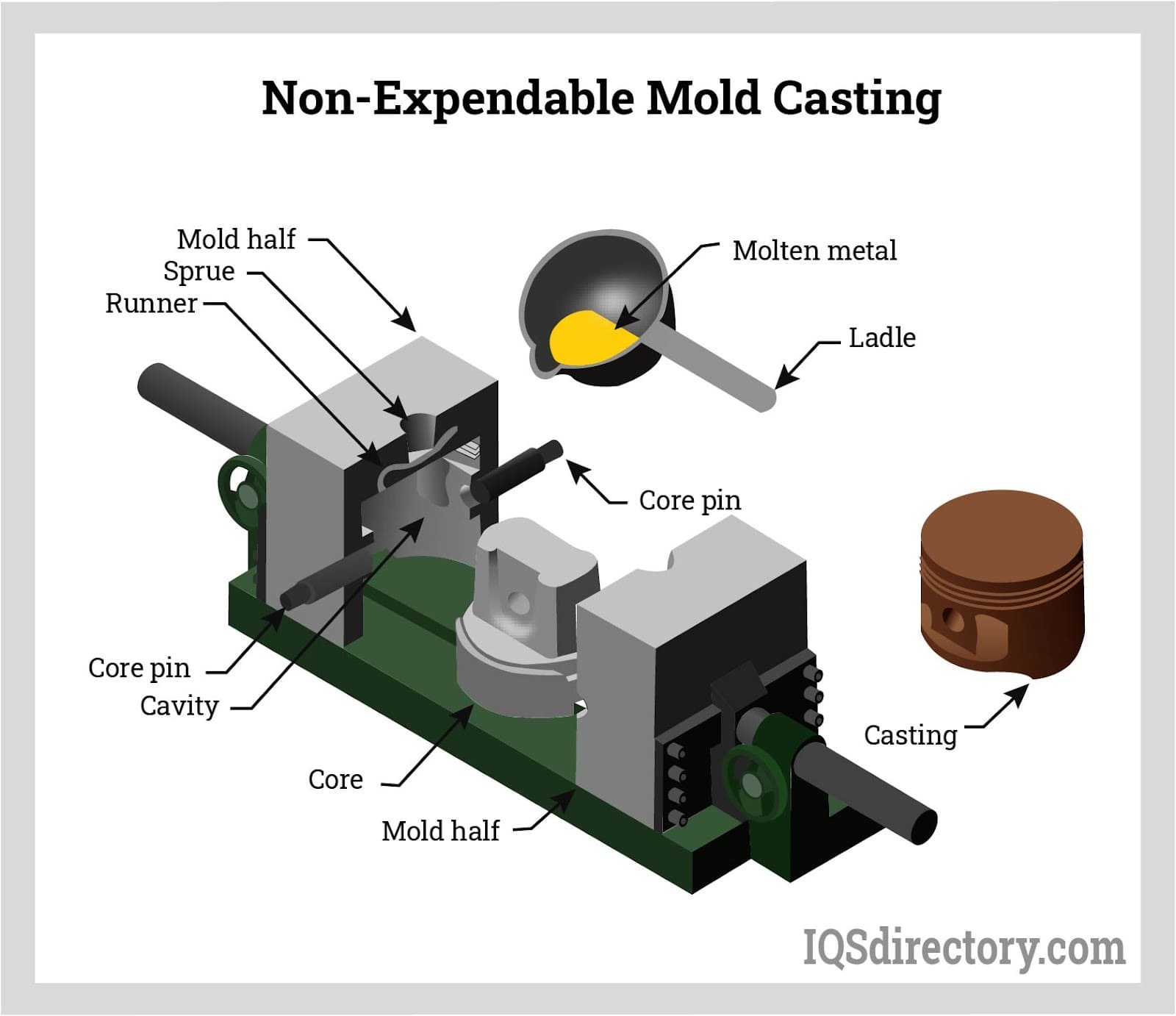
Hey there, my friend! Ever look at a sturdy cast iron skillet, a heavy manhole cover, or a beautiful old radiator and wonder, "How on Earth did they make that?" Well, guess what? It didn't just magically appear (though sometimes it feels a bit like magic!). We're about to dive into the wonderfully messy and surprisingly artistic world of cast iron casting, all in a super casual, chat-with-a-pal kind of way. No boring textbooks allowed!
So, grab a imaginary cuppa, settle in, and let's explore how molten metal transforms into those incredibly strong, durable objects we rely on every day. It's a journey that's been happening for thousands of years, and it's still pretty darn cool.
The Grand Plan: Pattern Making
Every great adventure needs a map, right? For cast iron, that map is called a pattern. This isn't just a scribble on a napkin; it's a 3D model of the object you want to create, but with a few clever tweaks.
Must Read
Think of it like a master sculptor's first step. The pattern is usually made slightly larger than the final product to account for the metal shrinking as it cools (because science!). These patterns can be made from wood, plastic, metal, or even 3D printed these days. It's all about precision!
No, you can't just wish a cast iron garden gnome into existence. You need a model first! Sorry to burst your bubble there, but hey, the real process is way more satisfying.
Playing in the Sandbox: Molding
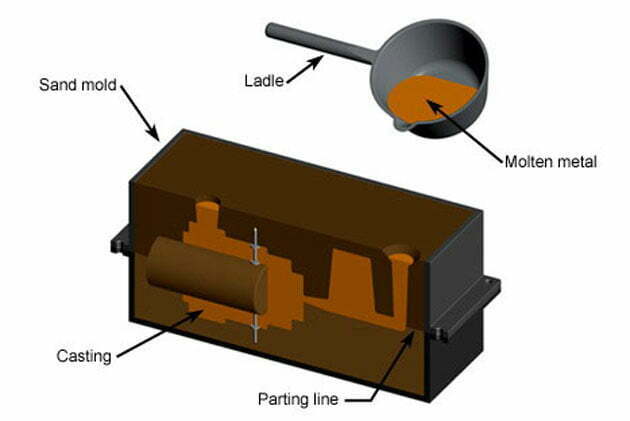
Once we have our perfect pattern, it's time for some serious sandbox fun! This next step is all about creating the mold. Most commonly, this involves a special kind of sand – not your beach variety, but a sturdy, heat-resistant blend that can withstand scorching temperatures.
Imagine this: we pack this special sand super tightly around our pattern. It's like building the ultimate sandcastle, but with way more engineering involved! Once the sand is nice and firm, the pattern is carefully removed, leaving behind a hollow space – the exact inverse shape of our desired object. Ta-da! Instant cavity!
This cavity is where all the molten metal magic is about to happen. Pretty neat, right?
Hollow Wonders: Core Making (If Needed)
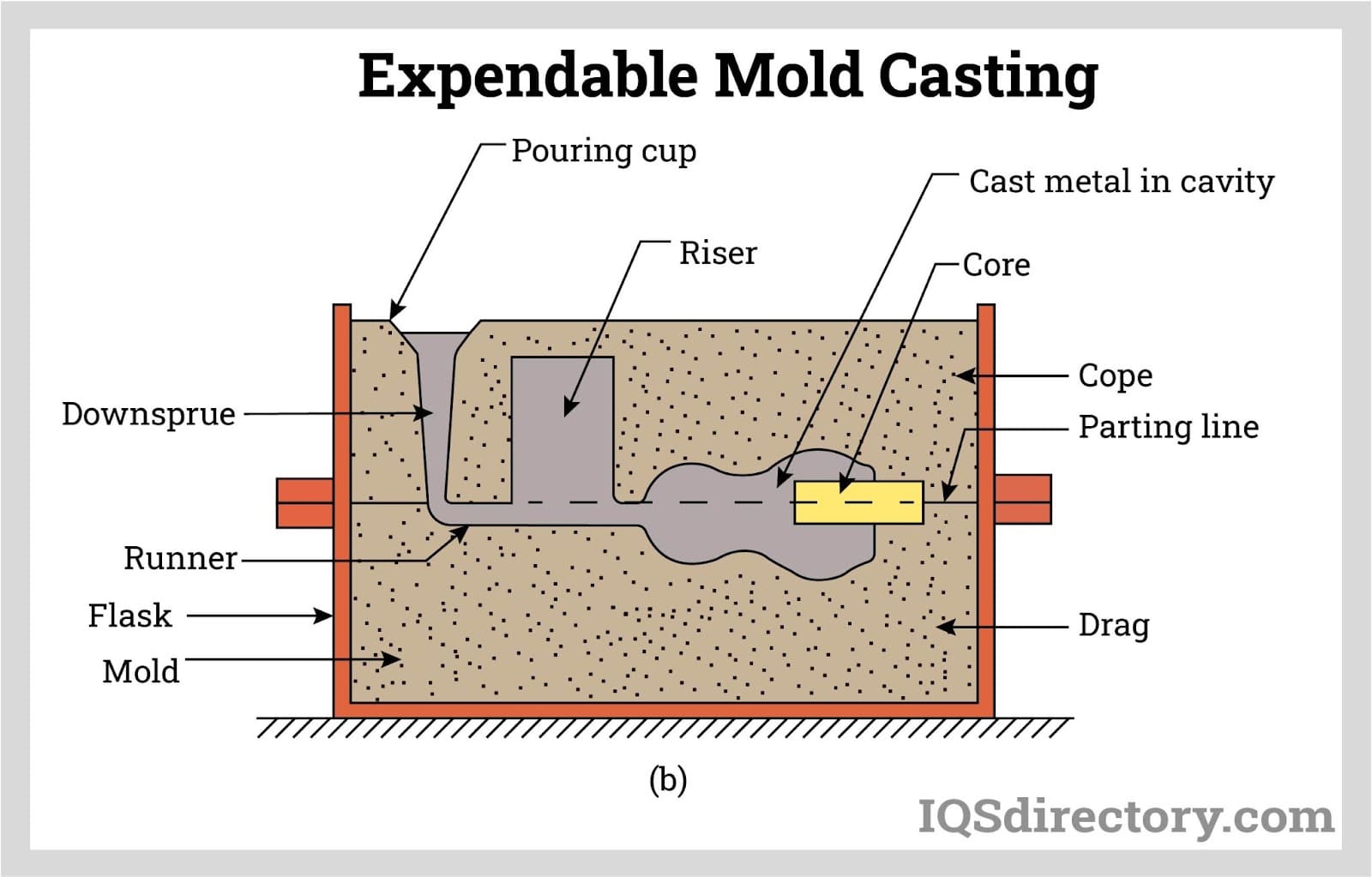
What if your cast iron masterpiece needs a hollow inside? Like a pipe, or the complex internal passages of an engine block? You can't just leave a gap in the sand mold, can you? That's where cores come to the rescue!
Cores are basically solid sand shapes that are placed inside the main mold cavity. They create the internal features and prevent the molten iron from filling up everything. Without them, you'd end up with a solid lump of metal. Which, while strong, might not be very useful for, say, plumbing!
So, thanks to cores, we can have intricate hollow designs without needing a drill press the size of a small car. Clever, clever!
Fire and Fury: Melting the Metal
Alright, friends, this is where things get HOT! And I mean, really hot. It's time to melt the cast iron. We're talking about taking solid chunks of pig iron and scrap metal and turning them into a glowing, fiery river of molten goodness.
This happens in big, powerful furnaces – like cupola furnaces, electric arc furnaces, or induction furnaces. Each has its own way of getting the job done, but the goal is the same: reach temperatures of around 1,200 to 1,500 degrees Celsius (that's 2,200 to 2,700 degrees Fahrenheit, for my American pals!).
It's definitely not a job for oven mitts! Think liquid sunshine, but way more dangerous and way, way heavier.
The Big Pour: Filling the Void
And now, for the main event! The molten iron, shimmering and superheated, is carefully transported to the molds and then poured into those carefully crafted cavities. This is a moment of intense focus and precision.
Imagine a golden, glowing waterfall filling every nook and cranny of the mold. The liquid metal flows, filling out the shape, surrounding any cores, and beginning its transformation. Pouring too fast or too slow, or at the wrong temperature, can cause all sorts of problems. It’s truly an art form!
This is where the liquid magic takes its first solid breath, becoming the object it was destined to be.
Chill Out: Cooling and Solidification
Once poured, our soon-to-be cast iron object needs to cool down and solidify. And trust me, you don't want to rush this part! Depending on the size and complexity of the casting, this can take minutes, hours, or even days.

Think of it like baking a cake. You wouldn't pull it out of the oven half-baked, would you? Rushing the cooling process can lead to internal stresses, cracks, or other nasty defects. Patience is a huge virtue in the casting world!
During this stage, the metal's internal structure forms, giving cast iron its characteristic strength and properties. Science is so cool!
Unboxing Day! Shakeout and Fettling
Once our casting is cool enough to handle, it's time for the big reveal! This is called shakeout. The sand mold is broken apart (sometimes literally shaken out), and our beautiful, newly formed cast iron object emerges, often covered in sand and with some extra bits still attached.
Those extra bits are usually the channels through which the molten metal flowed, called sprues and risers. Next up is fettling – the cleanup crew's job! This involves grinding, chipping, and blasting away all the excess sand and metal, making the casting smooth and ready for its next adventure.
It's like unwrapping a present, then giving it a good scrub before showing it off!
The Eagle Eye: Inspection
Finally, every single cast iron piece goes through a rigorous inspection. Are there any hidden cracks? Any surface defects? Is it dimensionally accurate? Inspectors use everything from good old visual checks to advanced techniques like X-rays or magnetic particle testing to ensure quality.
This step is super important to make sure the final product is safe, strong, and ready to perform its job flawlessly. No dodgy cast iron allowed!
The Grand Finale!
And there you have it! From a simple idea and a patterned model, through fiery furnaces and sandy molds, to a strong, finished product. The casting process of cast iron is a fascinating blend of ancient craft and modern technology, transforming humble raw materials into something incredibly useful, durable, and often quite beautiful.
Next time you see a sturdy garden bench, a vintage kitchen pot, or even a heavy-duty engine part, give it a little nod. It's been on quite the journey, a testament to human ingenuity and the magic of transformation. It reminds us that with a good plan, some heat, and a little patience, even raw, unformed materials can become something truly magnificent.
So keep smiling, you metal marvel, you! And remember, even the toughest things started as a hot, gooey mess with a dream. Pretty inspiring, don't you think?