
Cast Iron Welding Rod Number
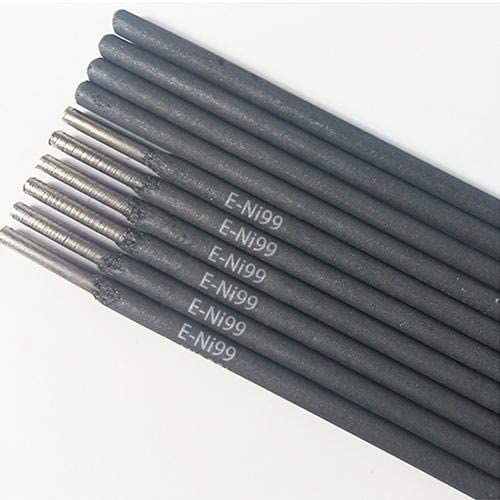
Ever gazed at a venerable cast iron skillet, a vintage engine block, or an antique farm implement and wondered if its life-ending crack could be mended? You're not alone! There's something truly satisfying about restoring something old and broken, especially when it's made of that famously robust material: cast iron. But here's the kicker – cast iron isn't just any metal, and welding it isn't like welding mild steel. It's a special art, and at the heart of that art lies one crucial hero: the right cast iron welding rod.
Why is this topic "fun," you ask? Because it unlocks a world of possibility! Imagine bringing grandma's prized, cracked Dutch oven back to life, or saving a historical piece of machinery from the scrap heap. This isn't just about repairs; it's about resurrection and sustainability. And the secret sauce to making those seemingly impossible repairs? It often boils down to selecting the correct type of welding rod, which is sometimes referred to by its specific "number" or classification.
Cast iron is unique. It's rich in carbon, which gives it incredible strength and hardness, but also makes it notoriously brittle and prone to cracking when heated and cooled too rapidly. Standard welding rods, designed for steel, simply won't cut it. They can introduce too much stress, leading to a brittle, cracked weld that fails almost immediately. This is where specialized cast iron welding rods come into play. Their primary purpose is to create a strong, durable bond that can withstand the unique characteristics of cast iron without causing further damage.
Must Read
The benefit of using the correct cast iron welding rod is immense. Often, these rods are nickel-based, or a blend of nickel and iron, because nickel has a similar thermal expansion rate to cast iron. This minimizes internal stresses as the weld cools, preventing those dreaded cracks. Other types might be steel-based, formulated with special coatings to handle cast iron's carbon content. Each rod type, often identified by a specific classification (its "number" or designation), is engineered to deposit a weld metal that is strong, machinable, and most importantly, ductile enough to accommodate the stresses that inevitably arise when welding a brittle material.
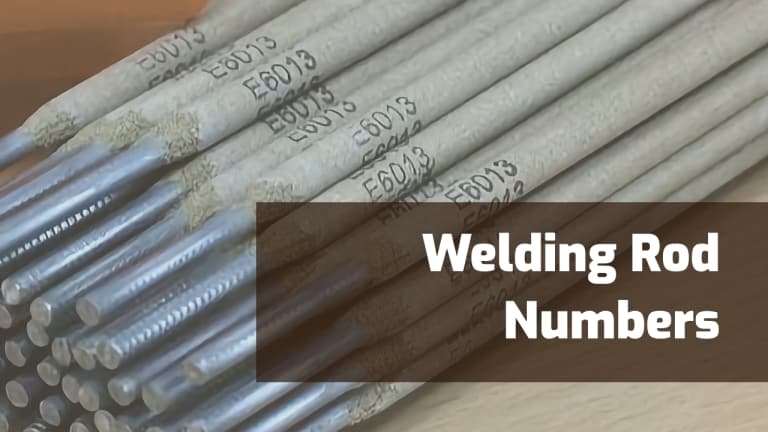
Think about it: with the right rod, you can fix a broken engine manifold, repair a cherished antique stove, or patch up a vital component of vintage farm equipment. This isn't just about saving money (though it definitely does that!); it's about preserving history, extending the life of valuable items, and experiencing the deep satisfaction of fixing something that most people would consider beyond repair. A successful cast iron weld, thanks to the correct welding rod, means you've brought a piece of the past back into functional existence.
So, the next time you encounter a cracked piece of cast iron, don't despair! Remember that the seemingly simple choice of a welding rod holds the power to transform scrap into treasure. Understanding the importance of choosing the right cast iron welding rod – by its classification, properties, and purpose – is your ticket to becoming a master of cast iron restoration. It's a small detail with a massive impact, turning potential frustration into genuine triumph!


