
Carbon Neutral What Does It Mean

We all try our best, right? You dutifully turn off lights when you leave a room. You might even bravely tackle separating those stubborn plastic caps for recycling. But then you hop in your car for a quick errand, or eye that juicy steak on the menu, and a tiny voice whispers, "Uh oh." Suddenly, you hear whispers about being carbon neutral. What even is that?
Sounds super official, maybe a bit daunting. Or perhaps, a little like magic? Let's unpack this trendy phrase without needing a science degree, shall we?
Imagine your carbon footprint. It’s like a trail of invisible glitter you leave behind every single time you do... well, anything! Driving your car? Glitter. Heating your house in winter? More glitter. Even binge-watching your favourite show for hours on end? Yep, glitter. Being carbon neutral essentially means you’re trying to scoop up all that glitter you’ve left and put it back in the jar. Or, even better, make sure you don't spill any new glitter in the first place!
Must Read
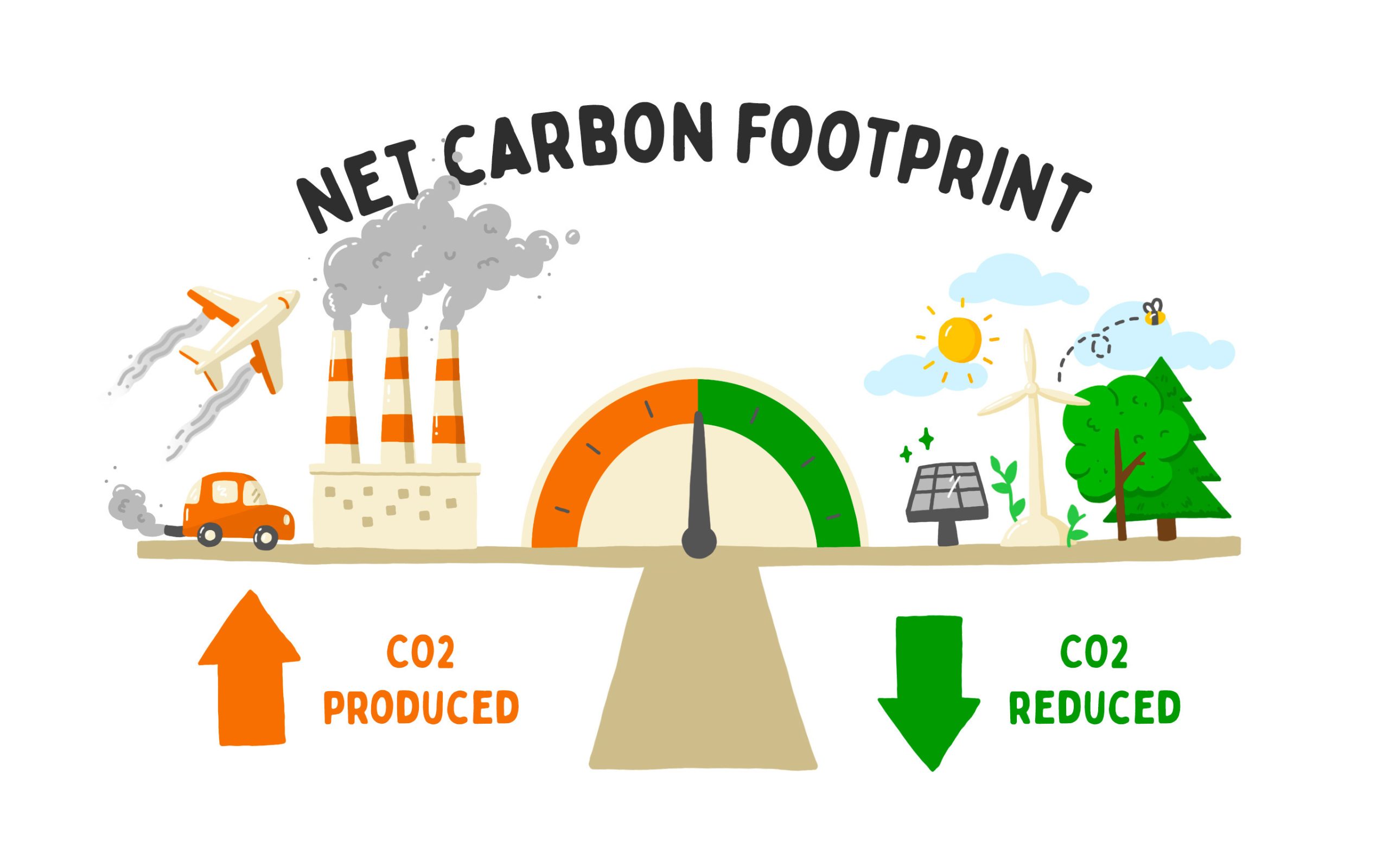
It’s all about achieving a beautiful, zen-like balance. The amount of carbon dioxide (and other greenhouse gases) you release into the atmosphere is equal to the amount you manage to remove. Or, and this is the crucial part, the amount you offset.
Ah, offsetting. This is where things get really fun. And maybe a little bewildering. You see, when you can’t actually stop spilling glitter (because, let’s face it, life happens and planes still fly), you can pay someone else to pick up glitter somewhere else instead. It’s like a cosmic swap meet for environmental guilt.
"So, I fly halfway across the world for a holiday, but if I plant a tree in a distant forest, it's all good? Neat!"
It sounds almost too simple, doesn't it? Like buying a giant bag of crisps, but then donating a single carrot to charity and declaring your snack "healthy." The intention is noble, absolutely. We want to do good. We want to make things right. But can you really just "cancel out" your carbon indulgences like a neat mathematical equation?
The idea is that if you pump out X amount of carbon, you invest in projects that absorb X amount, or prevent X amount from being released by someone else. Think wind farms, solar panels, or — the ever-popular choice — planting trees. Lots and lots of trees. Which, don't get me wrong, trees are magnificent. They are the lungs of our planet. But sometimes it feels a bit like saying, "I broke this window, but look! I also bought a new lamp!"
The real challenge, and the source of our playful head-scratching, is the measuring. How do we know if our window-breaking really equals our new lamp purchase? Is the tree you paid for actually getting planted? And is it growing big and strong, sucking up all that carbon for decades? Or did a squirrel eat it? These are the kinds of questions that keep a playfully skeptical mind buzzing.

It’s a bit like trying to keep a perfect score in a game where the rules are constantly evolving, and half the points are invisible. Companies proudly declare they are carbon neutral. Countries pledge to reach net-zero by a certain date. And we, the everyday glitter-spillers, wonder if our tiny efforts, or our tiny payments, actually make a dent. It feels good to say, though!
So, Why Bother With All This Glitter Business?
But here’s the kicker: despite all this playful skepticism, the very concept of carbon neutrality is a powerful one. It forces us to think. It makes us aware of that invisible glitter trail we leave behind. It pushes innovators to find better ways to power our lives, to grow our food, to travel. It encourages us to ask questions and demand better solutions.
Even if it’s not a perfect science (yet!), it’s a collective nudge in the right direction. It’s a global conversation starter. It makes us question our impact and seek solutions. It’s certainly better than just shrugging our shoulders and saying, "Oh well, more glitter for everyone!"
So, what does carbon neutral really mean? It means a complicated, well-intentioned balancing act. It's a goal, an aspiration, and a slightly exasperating mathematical puzzle. It’s an invitation to be more mindful, even if we occasionally doubt the perfect cancellation power of a newly planted sapling.
It’s okay to smile and nod, and perhaps raise an eyebrow, when you hear the term. We're all trying to figure it out. And who knows, maybe one day we'll all be expert glitter-collectors. Until then, let's just keep trying to spill a little less, and maybe plant a few more trees... just in case.
